
Oil Absorbent Granules and Absorbent Material
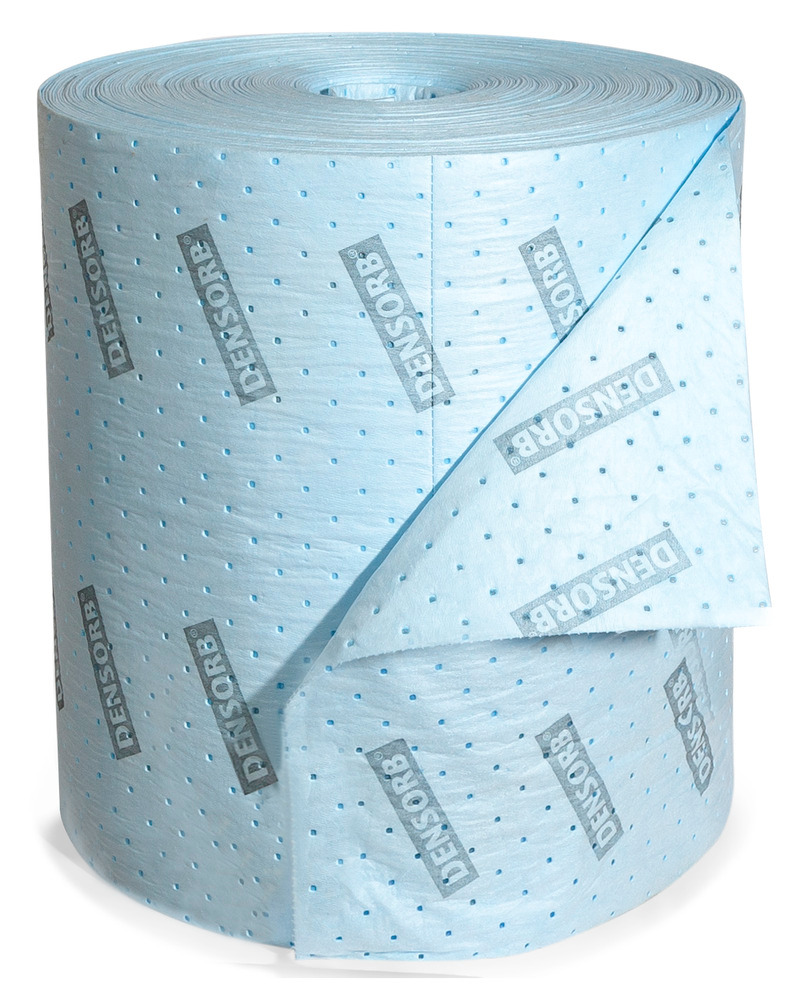
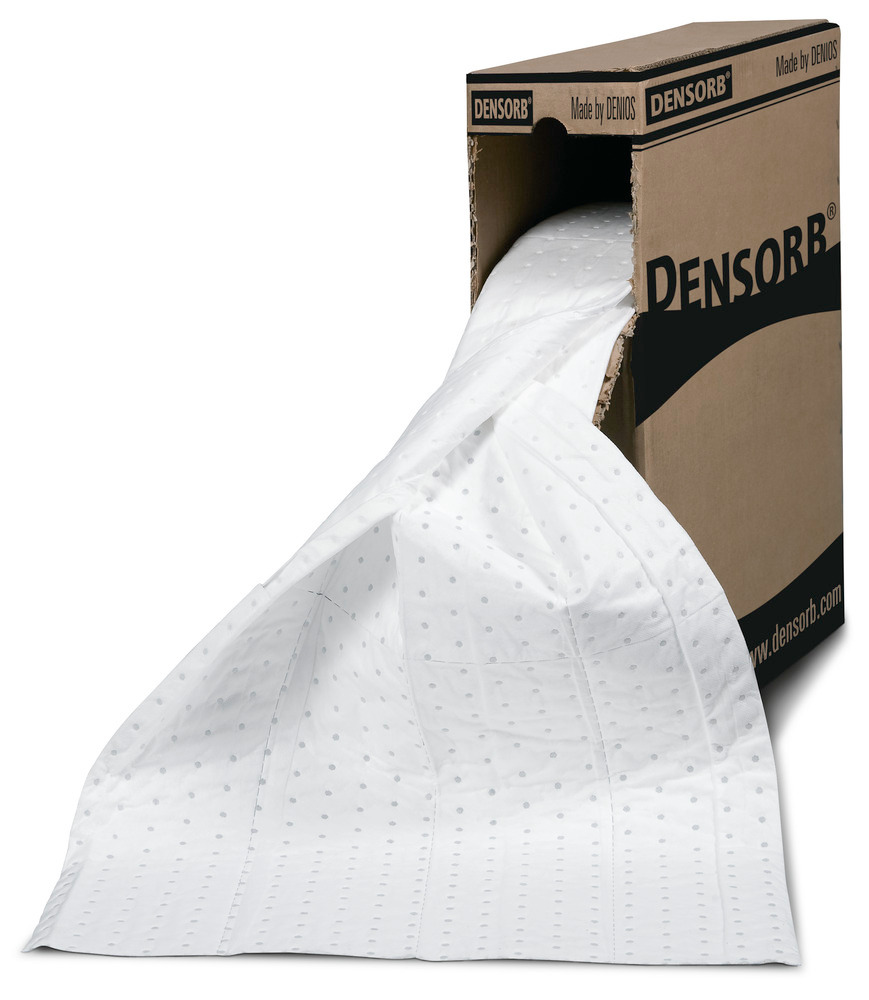
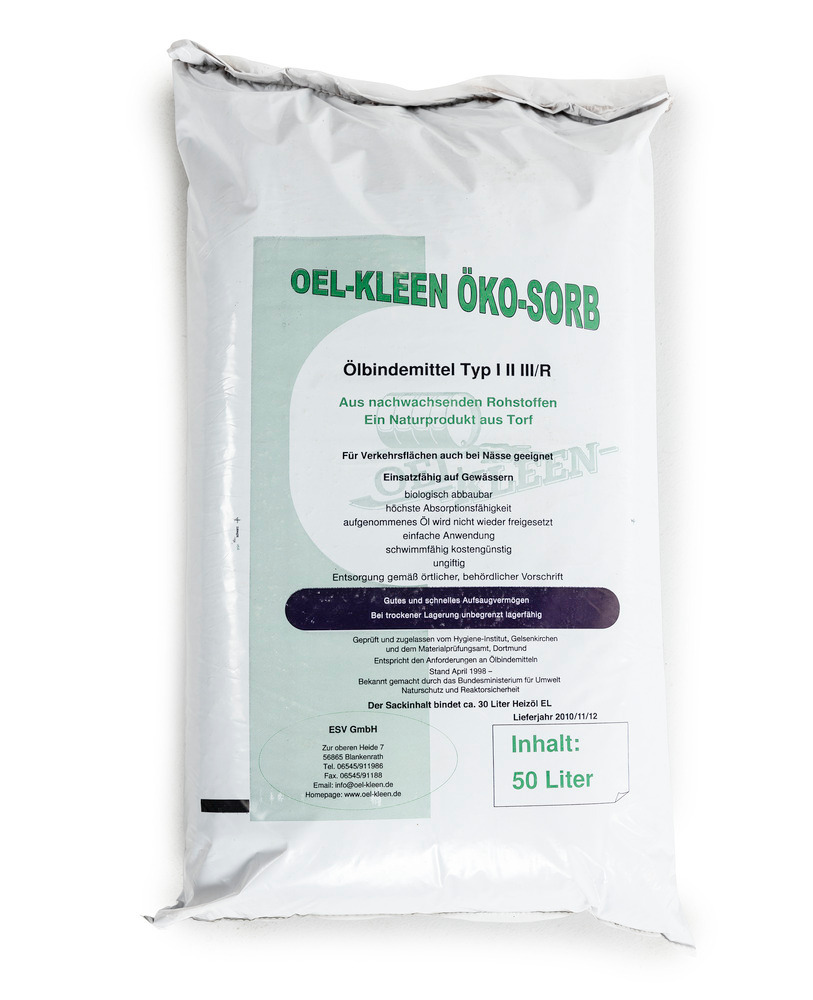
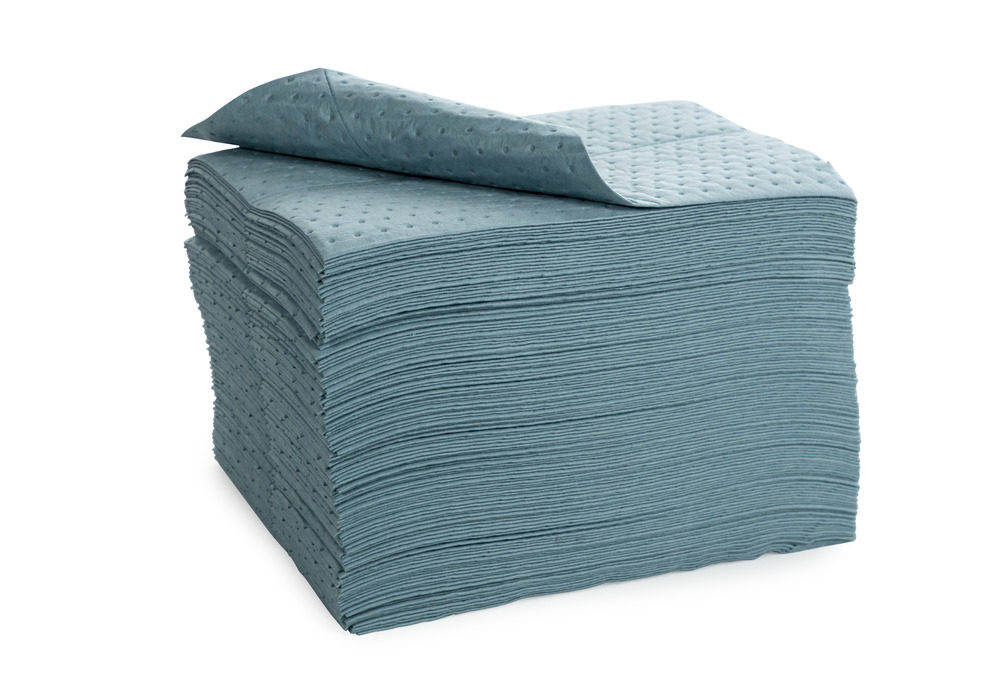
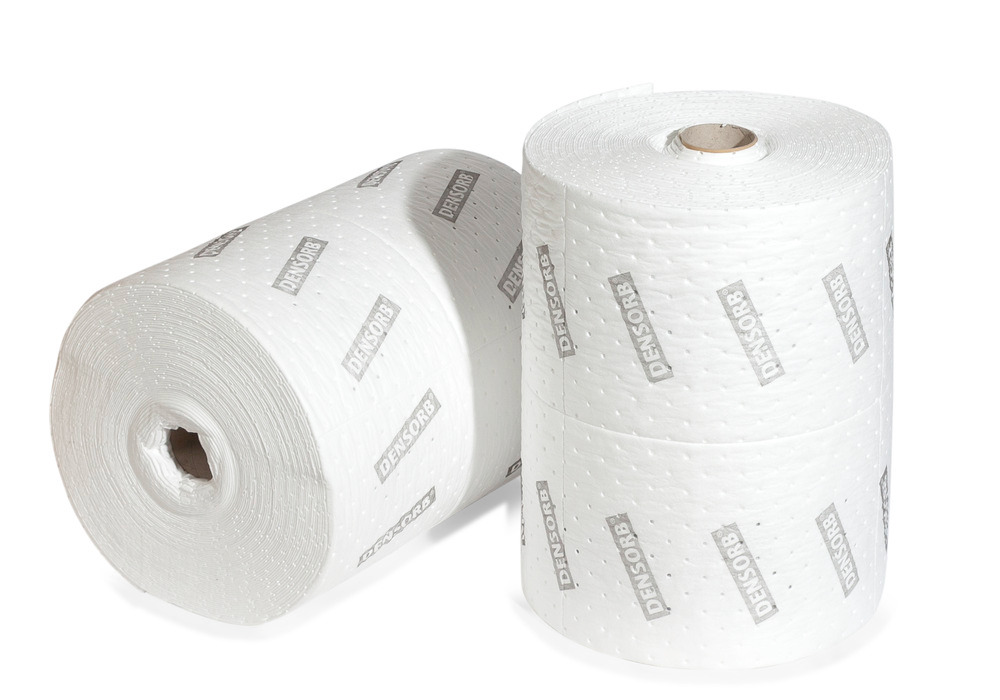
(40 Article in 111 versions)DENSORB® oil absorbent granules and absorbent materials are hydrophobic, efficiently absorbing oil and hydrocarbon-based liquids while repelling water - ideal for oil spills.
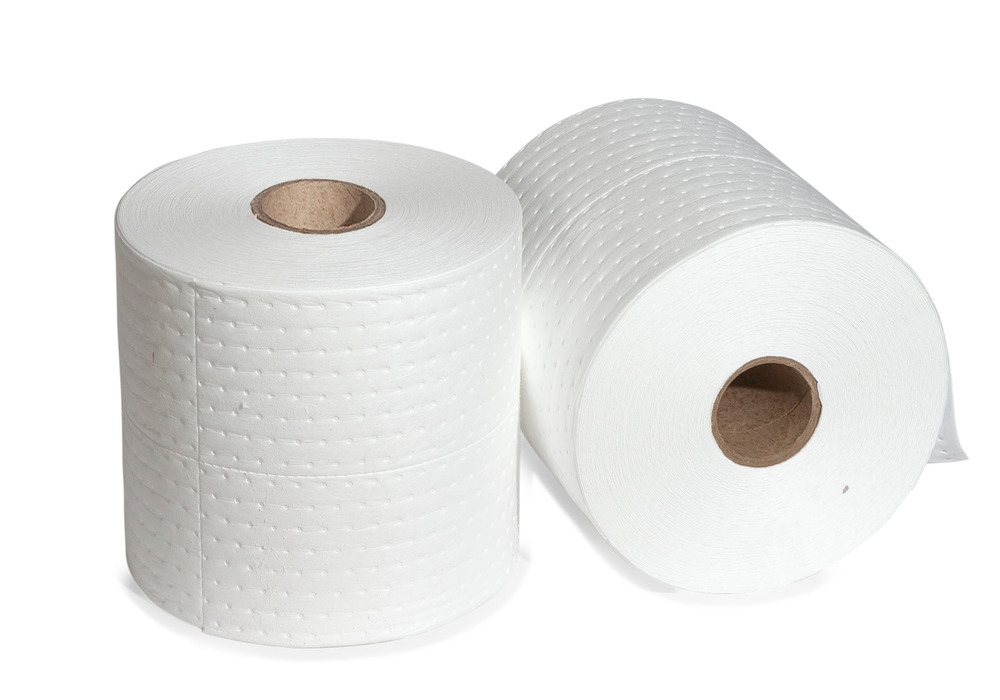
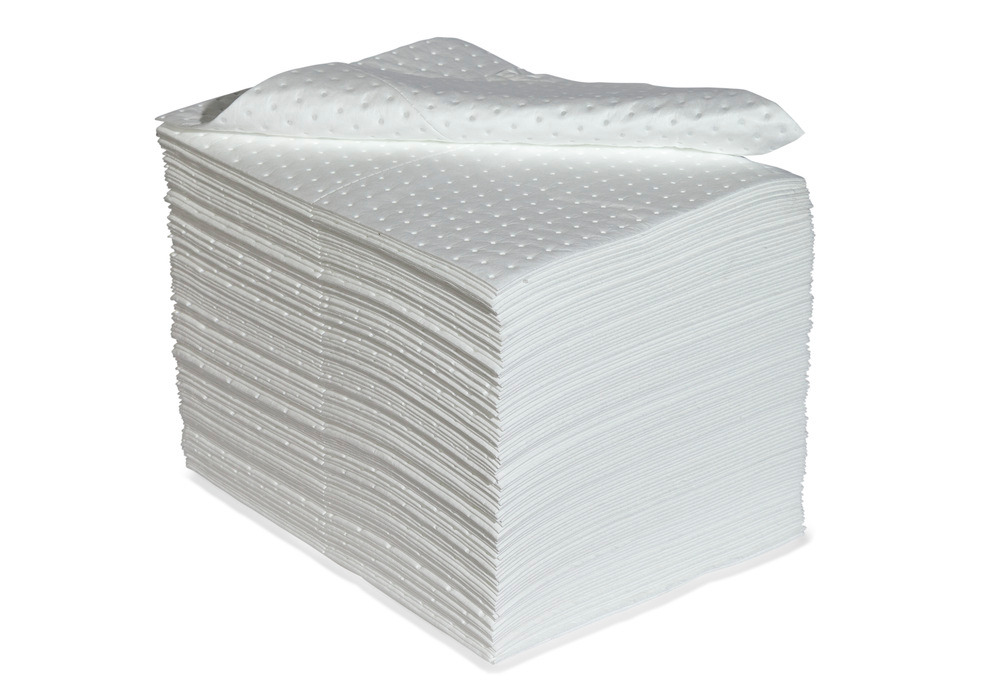
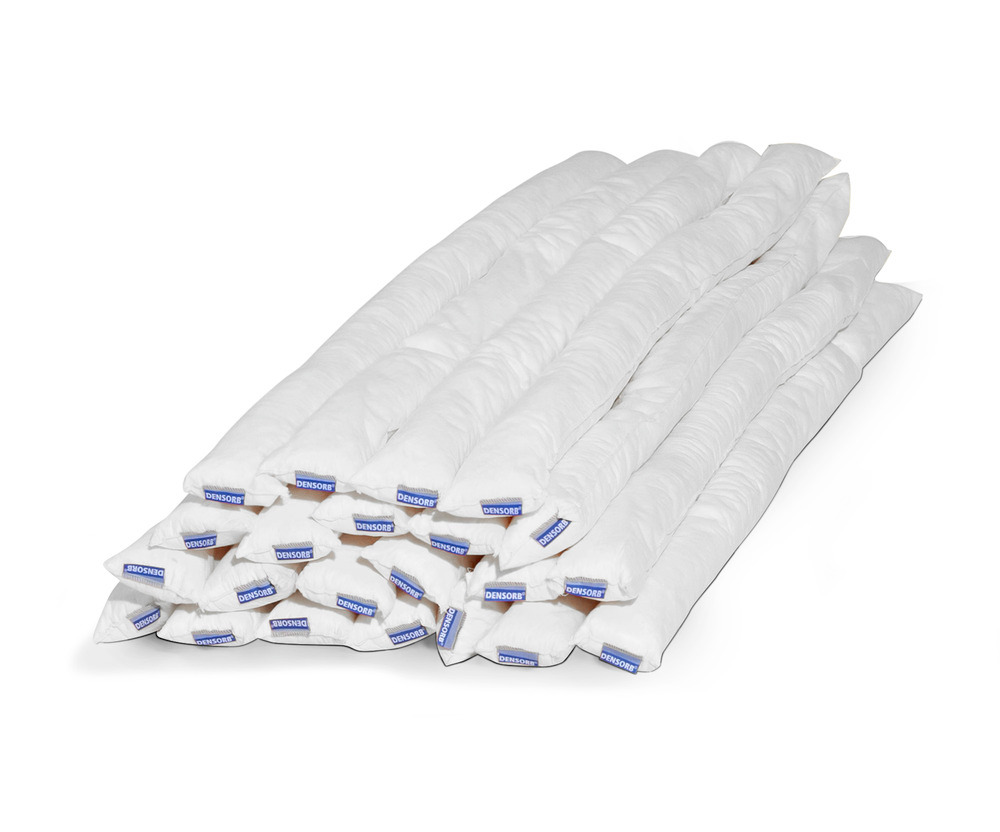
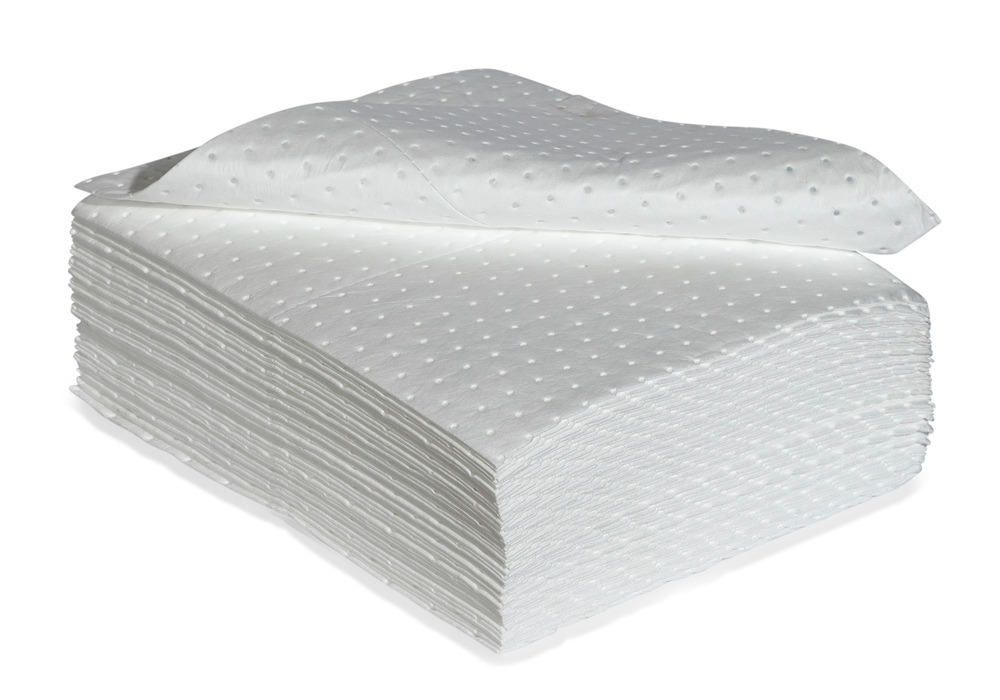
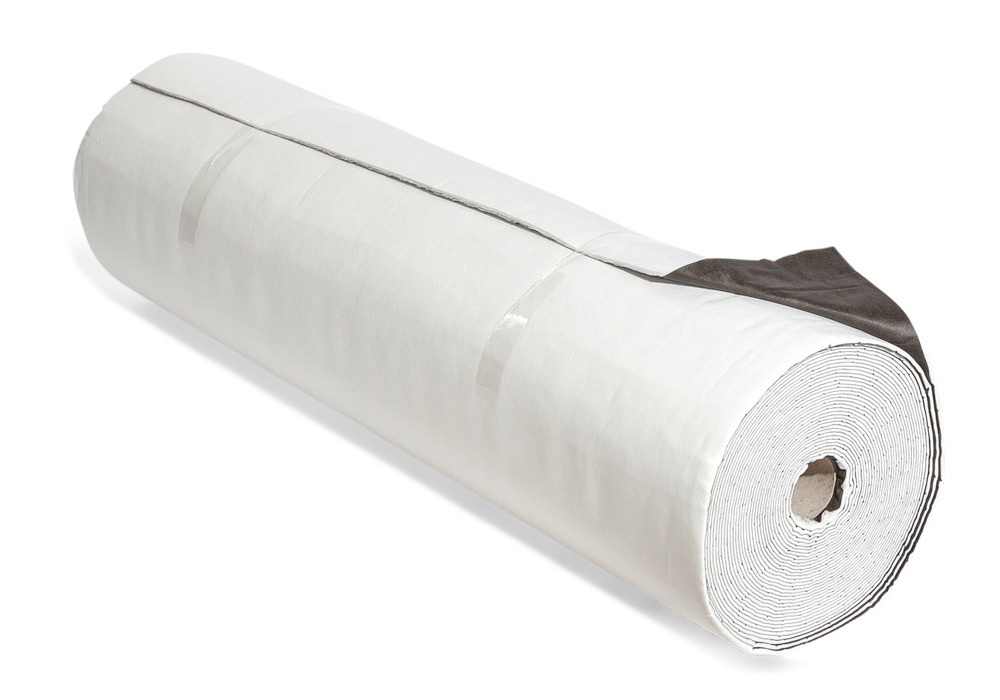
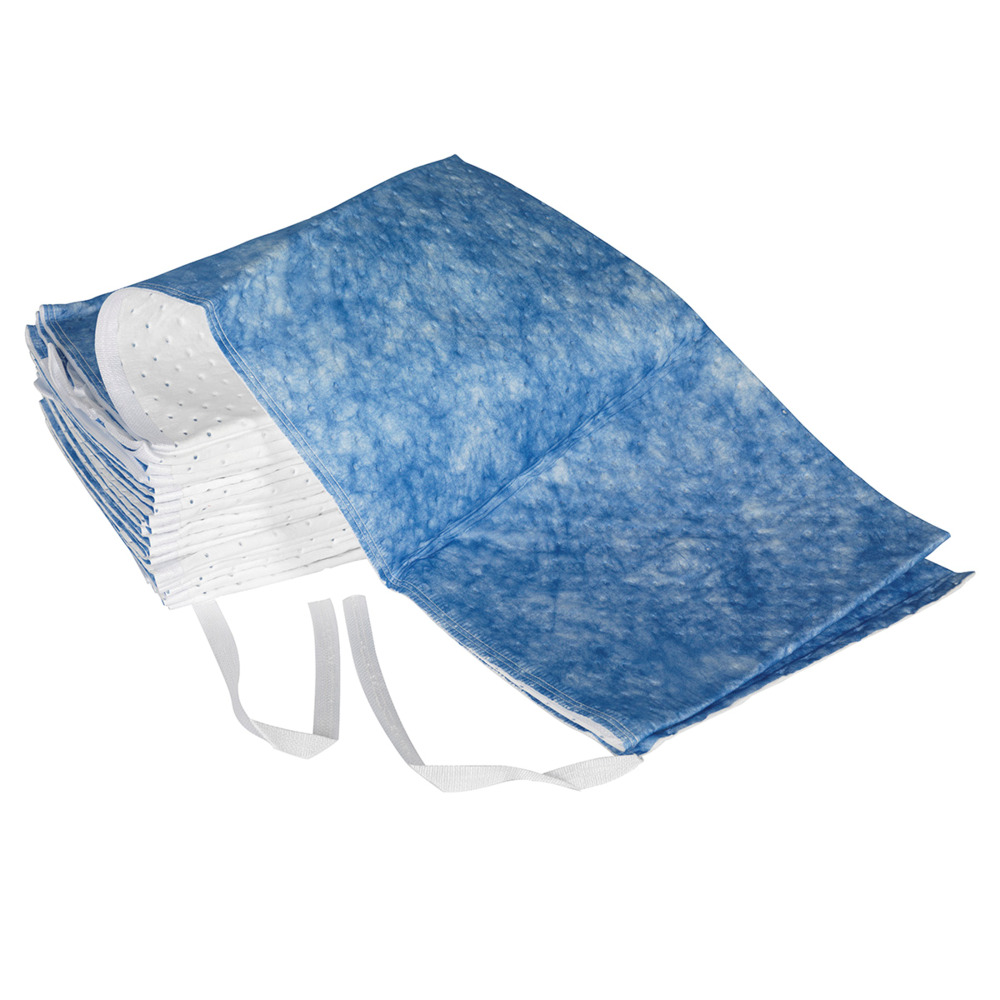
Available formats include rolls, mats, socks, cushions, and complete emergency spill kits. DENIOS UK also offers refill sets for all kits, with Economy Single, Double, Triple, and Premium Triple options to cover every spill response need.
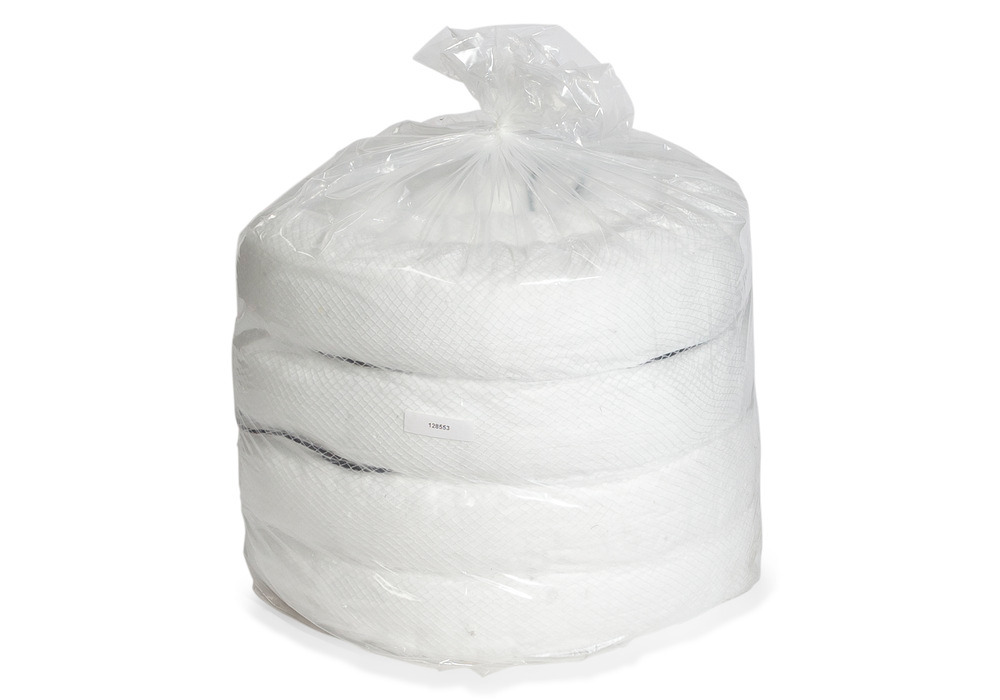
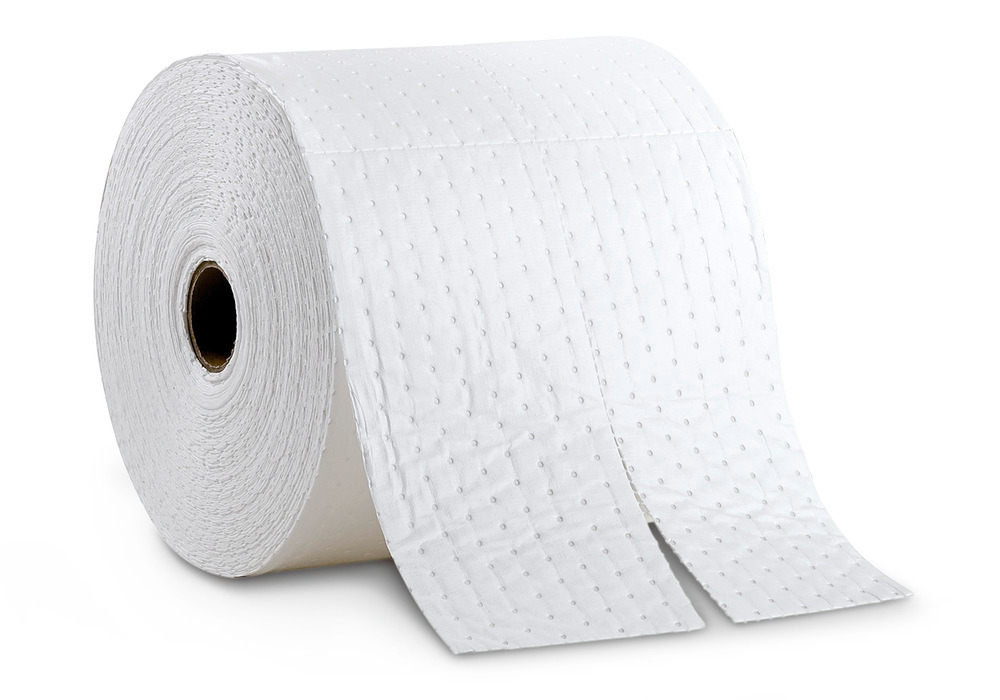
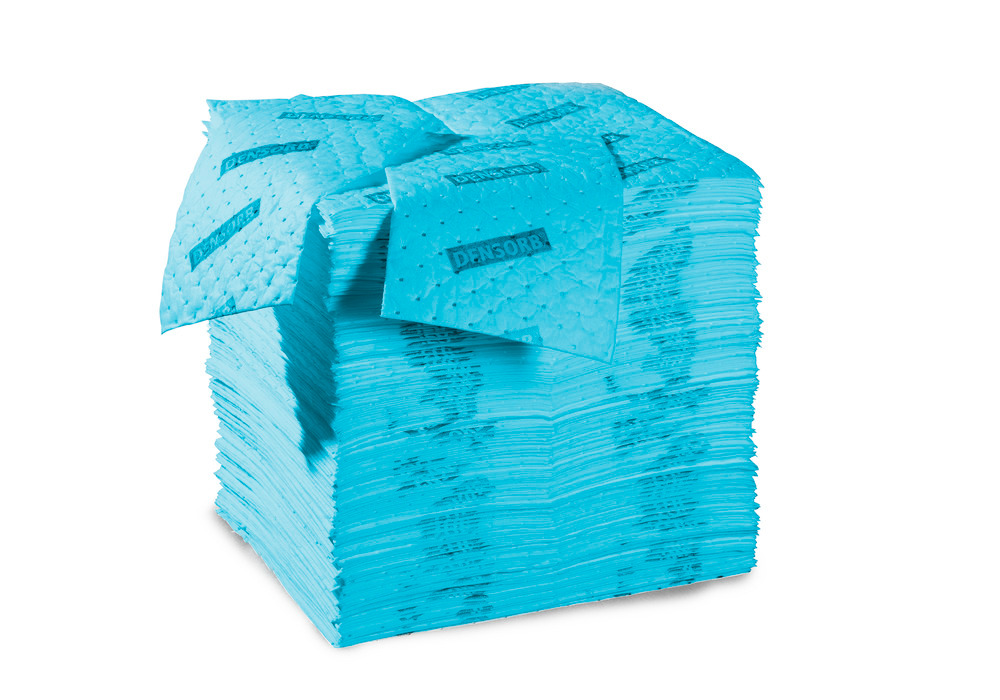
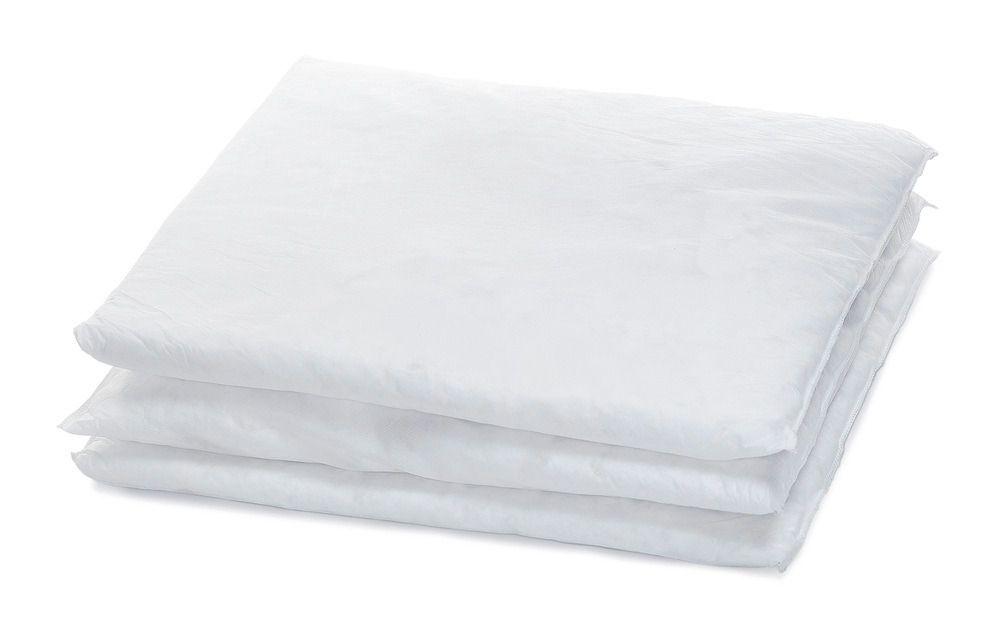

28 from 40 products shown

Oil spill kits and absorbent materials from DENIOS
What are oil absorbent materials?
The name says it all: oil absorbents are designed to capture and contain oil or hydrocarbon-based liquids for safe removal and disposal. They are essential for workplace safety and are required under the Technical Rule for Hazardous Substances.
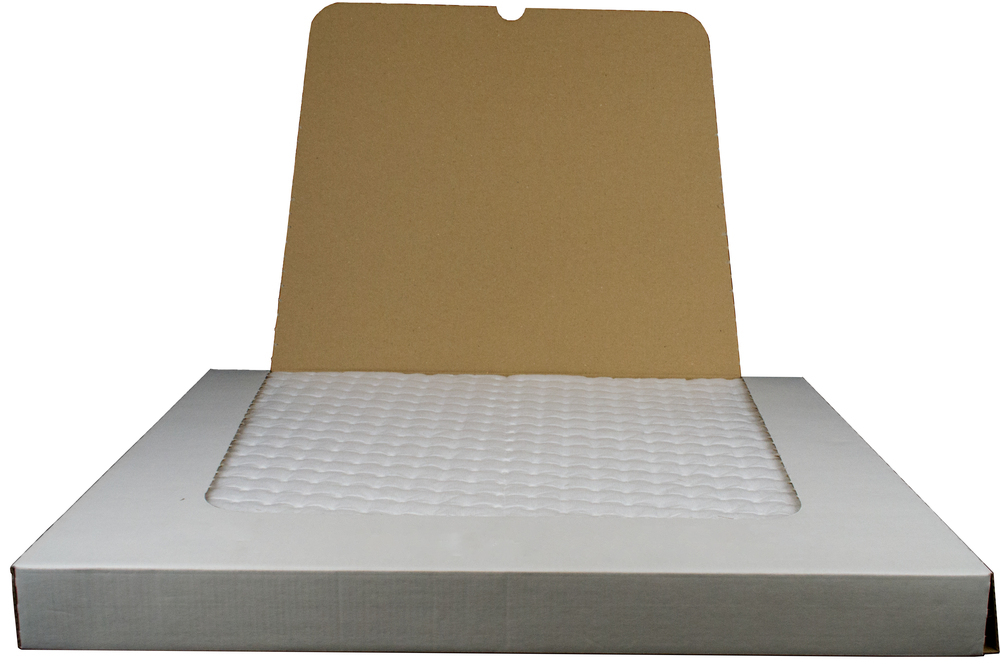
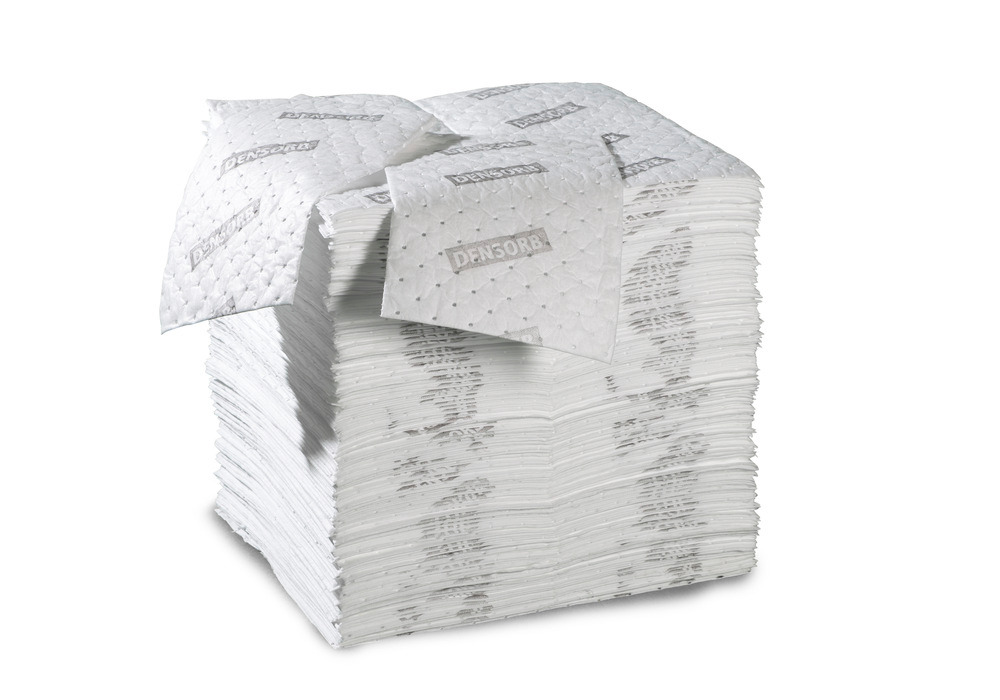
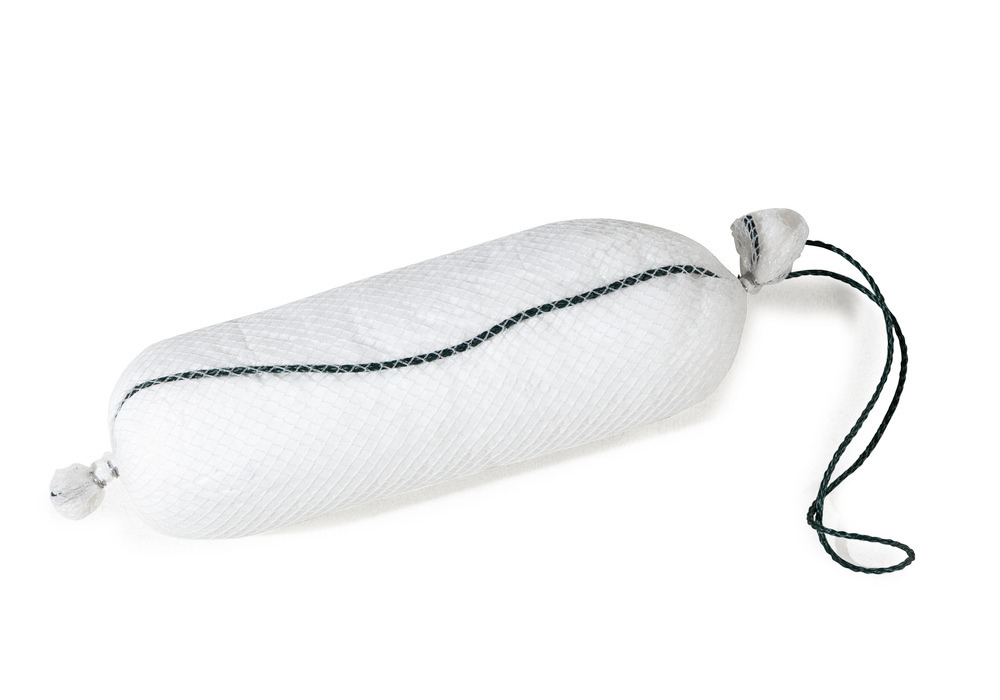
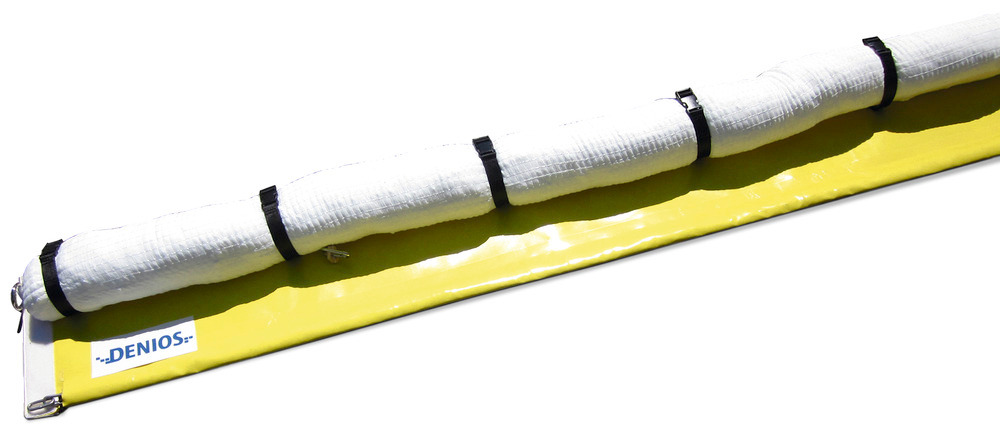
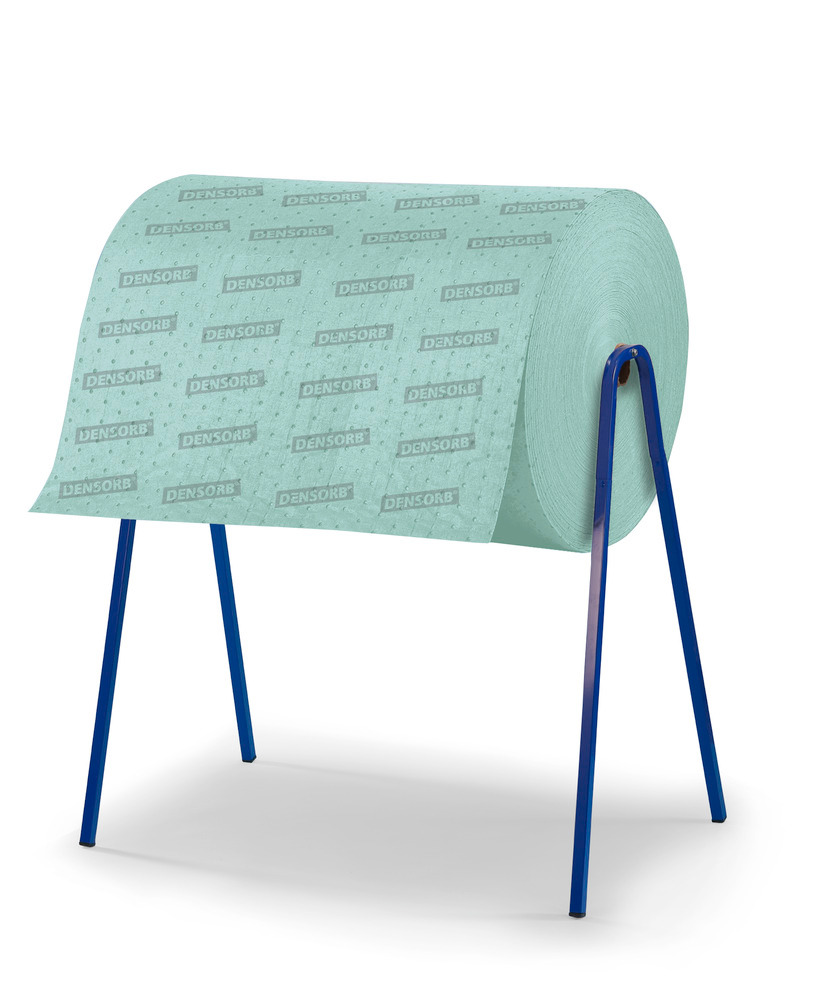
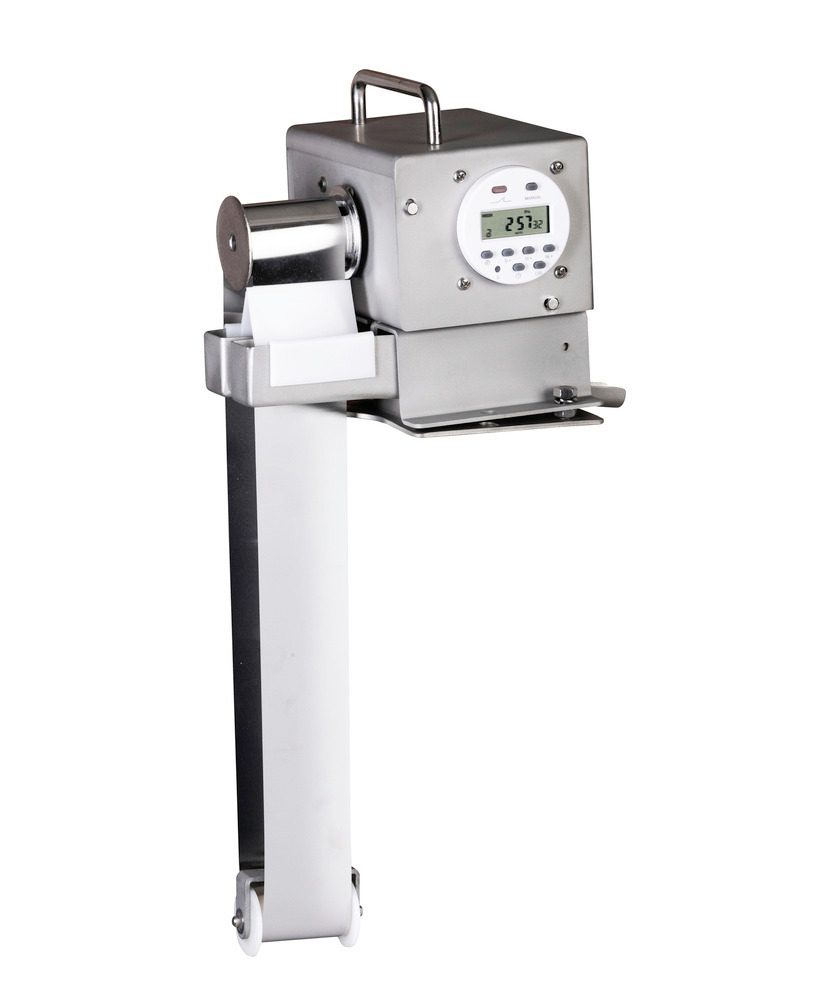
Oil absorbents come in different formats to suit various situations, including granules, mats and rolls, socks, cushions, booms, and skimmers. Some are oil-selective (repelling water and absorbing only oil), while universal absorbents soak up both oil and water.
Even a small leak can cause major risks - just one drop of oil can contaminate up to 600 litres of water. In factories and workshops, leaks during maintenance or machine breakdowns can quickly spread, leading to environmental damage and slip hazards for employees. Quick action with oil absorbent materials prevents accidents and limits contamination.
DENSORB® oil spill kits are designed to absorb oils while repelling water, making them ideal for hydrocarbon-based spills. Options include oil absorbent granules, mats, barriers, and skimmers - perfect for hard-to-reach leaks.

Why use oil-specific absorbent granules and mats?
Targets oil only - reduces disposal volume and cost, because you’re not collecting water.
Faster spill control - oil absorbent products soak oil quickly and prevent spreading.
Safer workplaces - reduces slip risk and contamination of production and office areas.
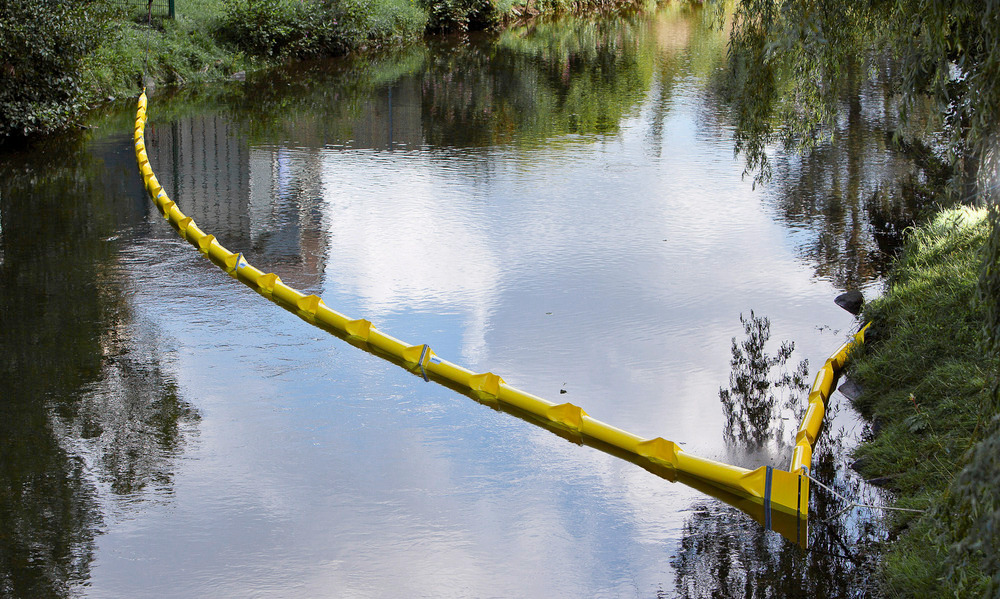
Water protection - floating absorbent materials such as booms, mats and oil granules help contain oil on surface water.

How are oil spill kits and absorbent materials used?
Quick absorption of leaks prevents slips in the workshop and stops stains from spreading to office or common areas. Oil absorbent granules and absorbent materials only take up oil, not water, so disposal costs are limited to the hazardous liquid absorbed.
How to use:
Preventative: Lay DENSORB® absorbent mats under machines or on surfaces that are regularly exposed to oil.
During maintenance: Line work areas with mats as a precaution.
Contain spills: Use DENSORB® socks to ring-fence leaks, then apply mats or cushions to fully absorb the oil.
Disposal: Once absorbed, dispose of mats, granules or cushions according to the type of hazardous liquid collected.

DENSORB® - Key Benefits
DENSORB® oil absorbents are engineered for industrial use:
Oil-selective - only absorbs oil, not water.
Available as spill kit granules, oil absorbent mats, socks, cushions and booms.
Lightweight, cost-effective disposal.
Ideal for factories, workshops and outdoor sites.
Many companies count on the use of oil spill kits in the form of mineral granulates for absorbing liquids. DENIOS has tested such granules and compared them with DENSORB® binding fleeces. The main differences are as follows:
DENSORB® oil absorbing fleece has a much higher absorption capacity.
DENSORB® oil absorbing fleeces absorb spilled liquids much faster.
The high absorption capacity of DENSORB® oil absorbing fleeces means you need less oil binding material and therefore cut costs.
The lower weight and volume of DENSORB® oil absorbing fleeces provides more space for other things.
DENSORB® oil absorbing fleeces are particularly convincing indoors and on water surfaces, while granulates are the product of choice for rough surfaces outdoors and for special cases such as extremely hot liquids.

Oil Absorbent Materials: What Is The Difference Between Granulates And Absorbent Mats?
| Feature | Granules / Powders | Absorbent Mats / Rolls |
|---|---|---|
| Best for | Rough outdoor surfaces, roads, rapid small spills | Indoor workshops, under machinery, locations with foot traffic |
| Speed | Good (requires spreading/collection) | Fast (lay down and remove) |
| Disposal weight/volume | Higher (granules bulk up) | Lower (lighter once absorbed) |
| Ease of use | Needs sweep/shovel | Easy to place/remove; less dust |
| Floating use | Some floating granules available | Floating mats/booms ideal for water |
Rule of thumb: use mats and rolls indoors where cleanliness, speed and reduced disposal costs matter; use granules for outdoor/rough surfaces and emergencies on roads.
Oil absorbent materials for water
Oil floats on water, so oil absorbent materials must also float while binding hydrocarbons. Suitable products include:
- Floating oil granules
- Absorbent mats and sweeps
- Booms and oil barriers
- Oil dice and skimmers
These solutions are widely used on rivers, lakes, harbours and drains to protect water sources from pollution.
Oil spill kits in daily use
Road accidents occur several million times a year, and they often lead to oil or petrol leaks, creating serious risks for traffic and the environment. Oil absorbent granules are essential for for fire brigades and rescue teams in preventing slips, accidents, and groundwater contamination
In extreme cases, one litre of oil is enough to contaminate one million litres of groundwater. With an oil spill kit, the fire brigade thus effectively counteracts traffic and environmental accidents.

Disposing of oil absorbent materials: How it works
Used absorbent granules and mats must be treated as hazardous waste. The process includes:
Identifying the liquid absorbed and assigning the correct waste code
Storing contaminated absorbent materials in separate, labelled containers
Arranging collection with a licensed waste carrier
Following COSHH and HSE guidelines for safe storage and handling
Mixing waste types is prohibited. Always ensure staff are trained in how to collect and dispose of oil absorbents safely.
FAQ - Frequently asked questions
Yes - specific floating mats and booms are made to absorb oil on water while remaining buoyant when saturated.
Choose granules for outdoor spills on rough surfaces, roads or when you need rapid coverage in uneven areas. Use mats indoors for neat, low-weight disposal.
Classify the waste using the SDS, store separately, label clearly and arrange collection with a licensed hazardous-waste carrier.
Most spill kit granules have a shelf life of around five years if stored in dry conditions. Always inspect stock regularly and replace if degraded.
Only certain products are food-safe. Check the product specifications and approvals before using near food production.
Yes - they are chemically inert and safe for people and animals, making them suitable for road, industrial and emergency use.
Further guidance on absorbents and oil spill kits
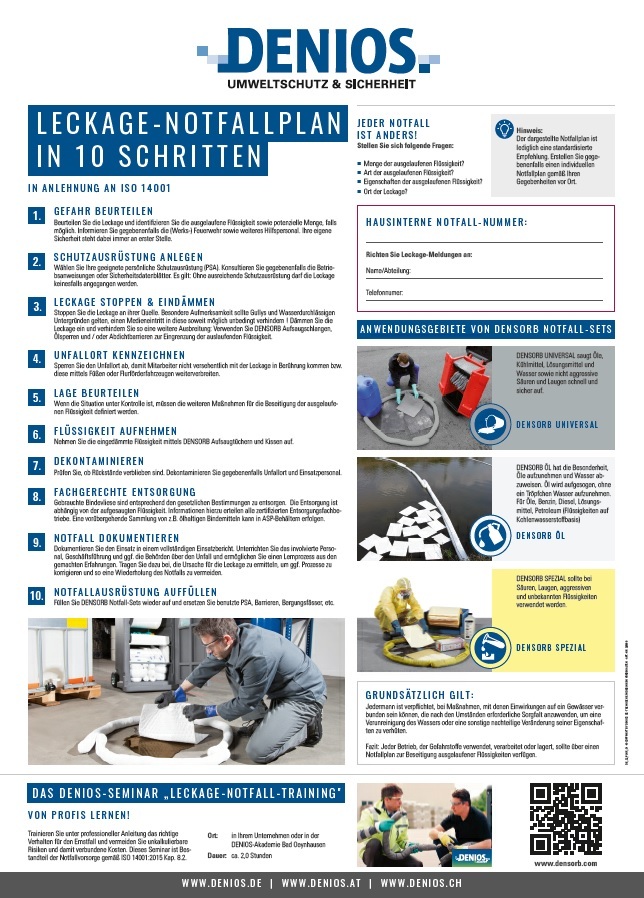
Download our pdf guide to absorbents and emergency spill response. Find more details on which absorbents are best for each type of leak or spill. See the full range of protective equipment, spill response kits and absorbents for oil, chemical or universal spills.
Oil Absorbent Material Expertise
The specialist information on this page has been compiled carefully and to the best of our knowledge and belief. Nevertheless, DENIOS SE cannot assume any warranty or liability of any kind, whether in contract, tort or otherwise, for the topicality, completeness and correctness either towards the reader or towards third parties. The use of the information and content for your own or third party purposes is therefore at your own risk. In any case, please observe the locally and currently applicable legislation.