
Dehmer Strasse 58-66
32549 Bad Oeynhausen
br>Tel.: +49 5731753-0
Email: info@denios.ie
Internet: www.denios.ie
Oil Absorbent Granules and Absorbent Material
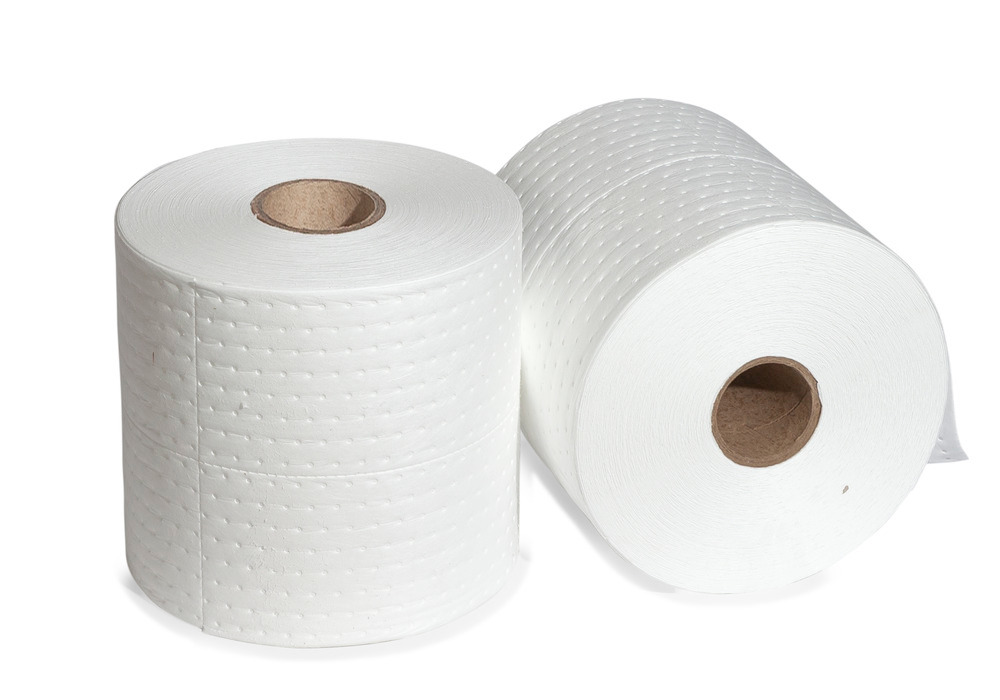
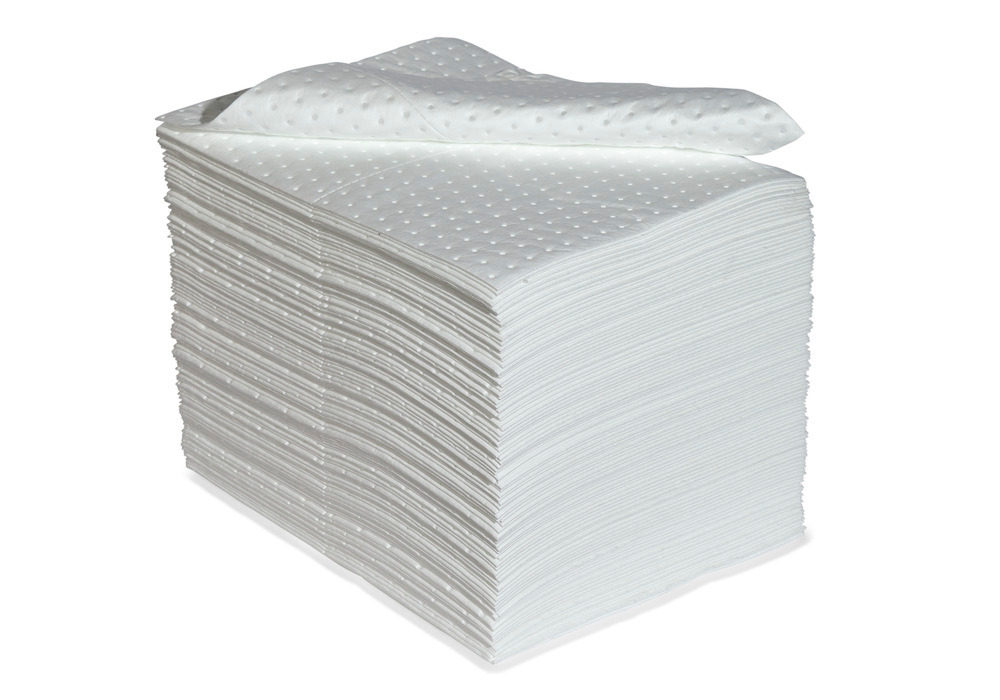
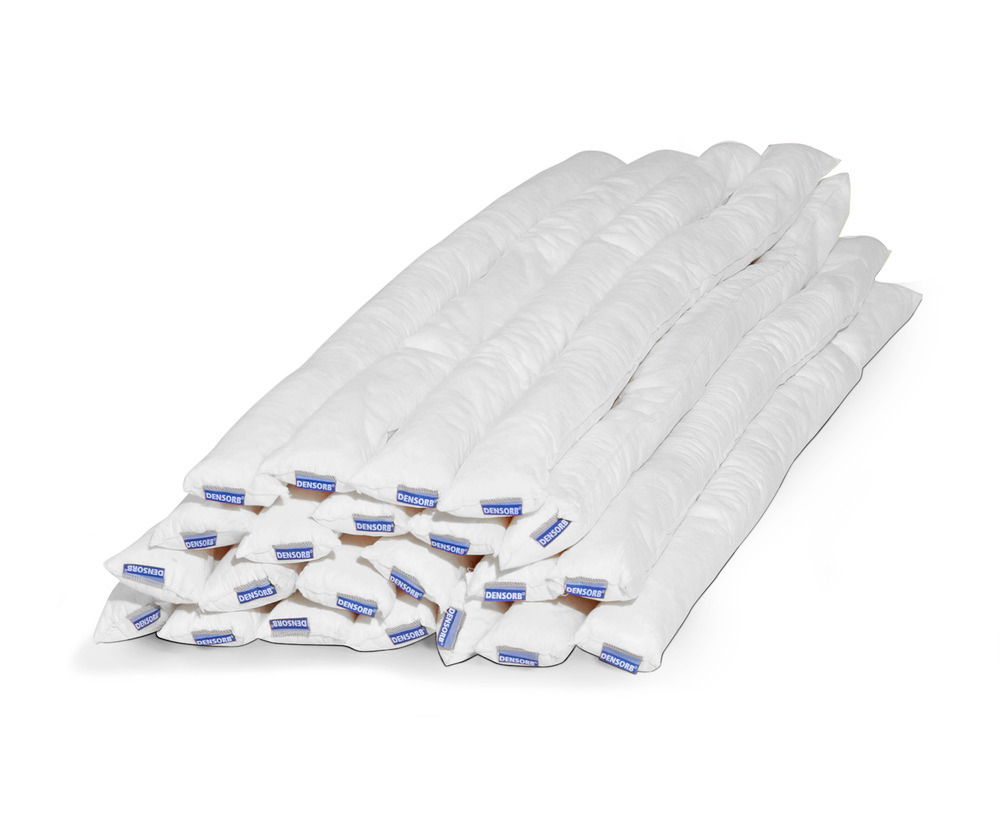
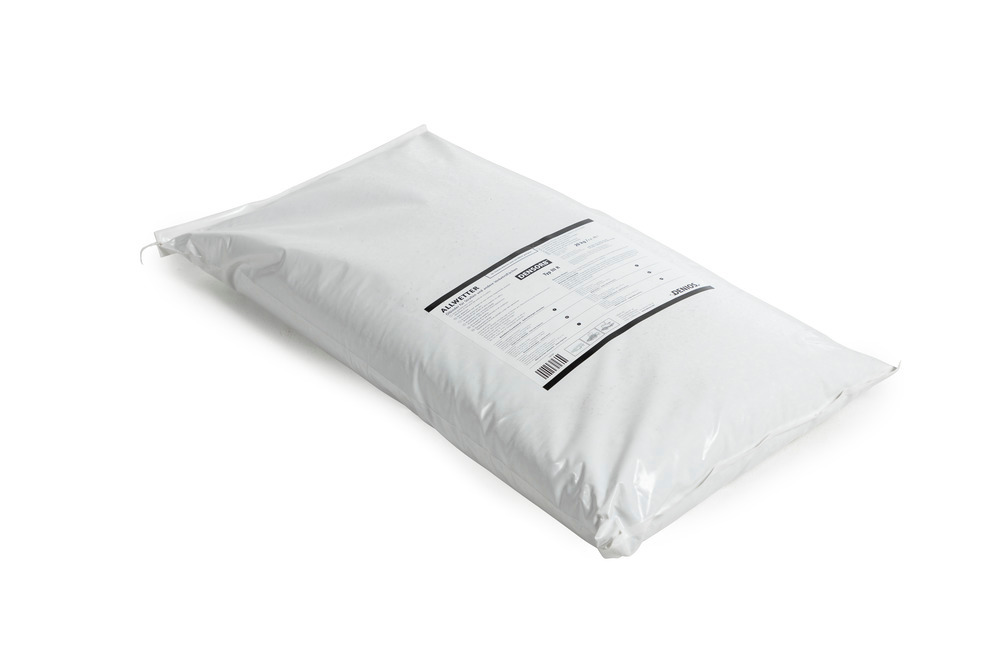
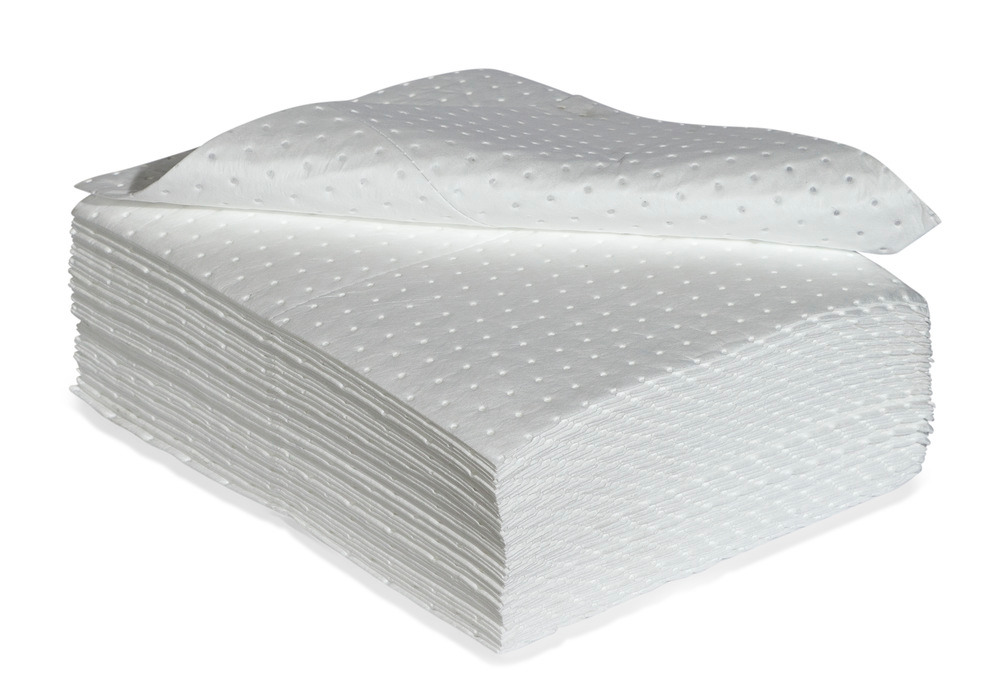
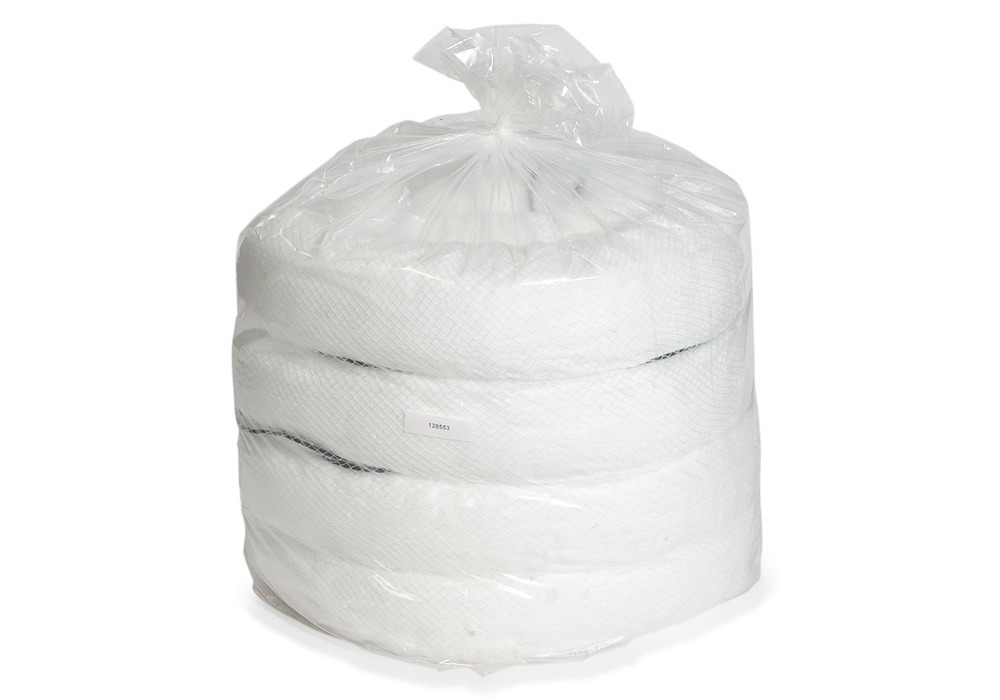
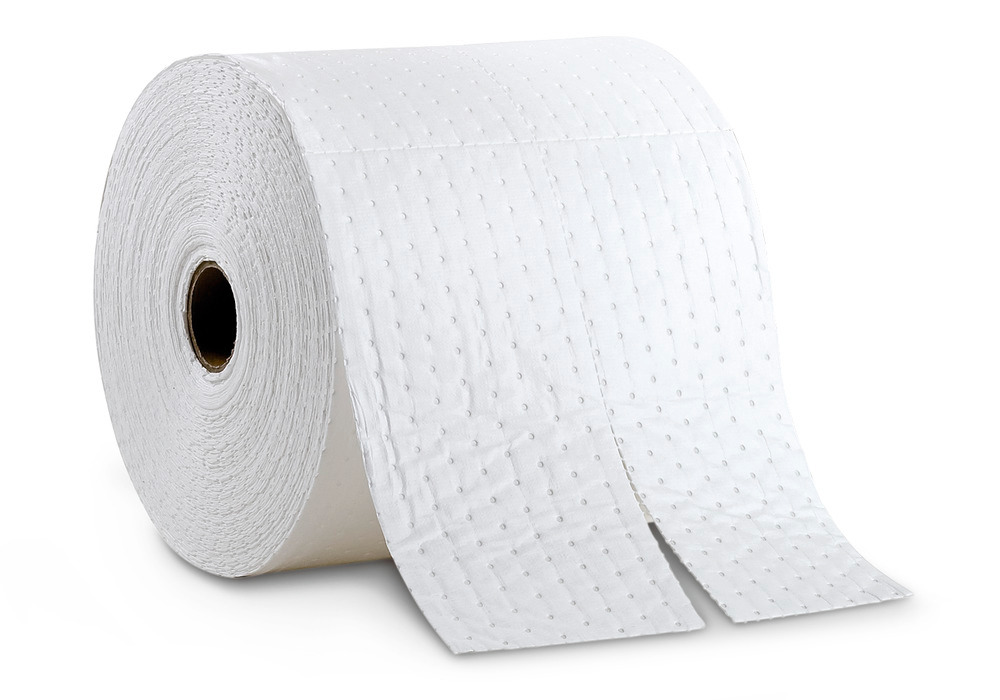
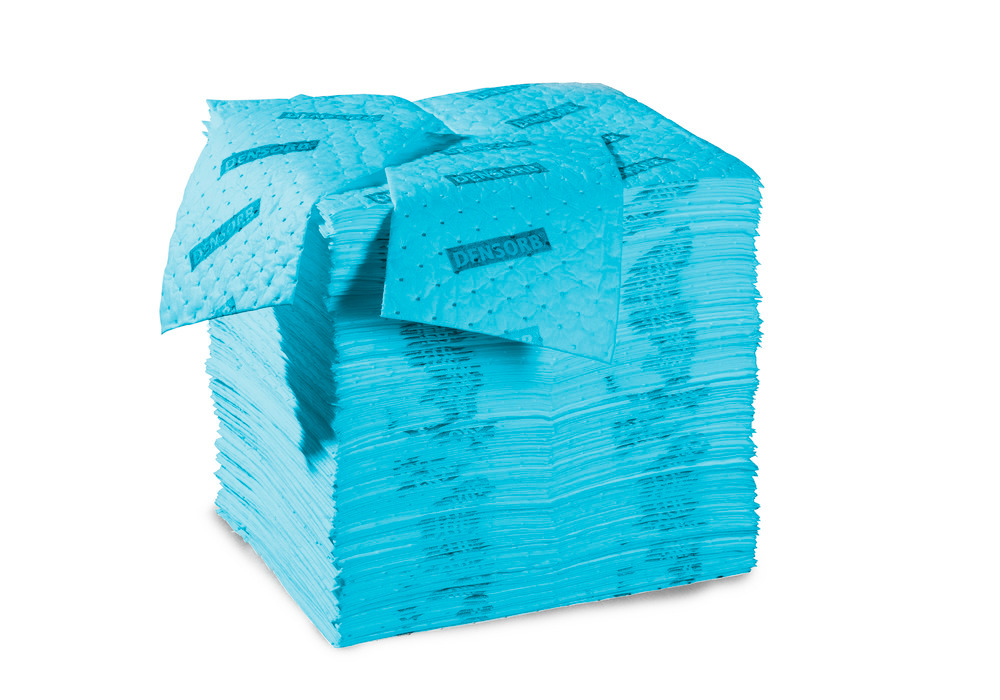
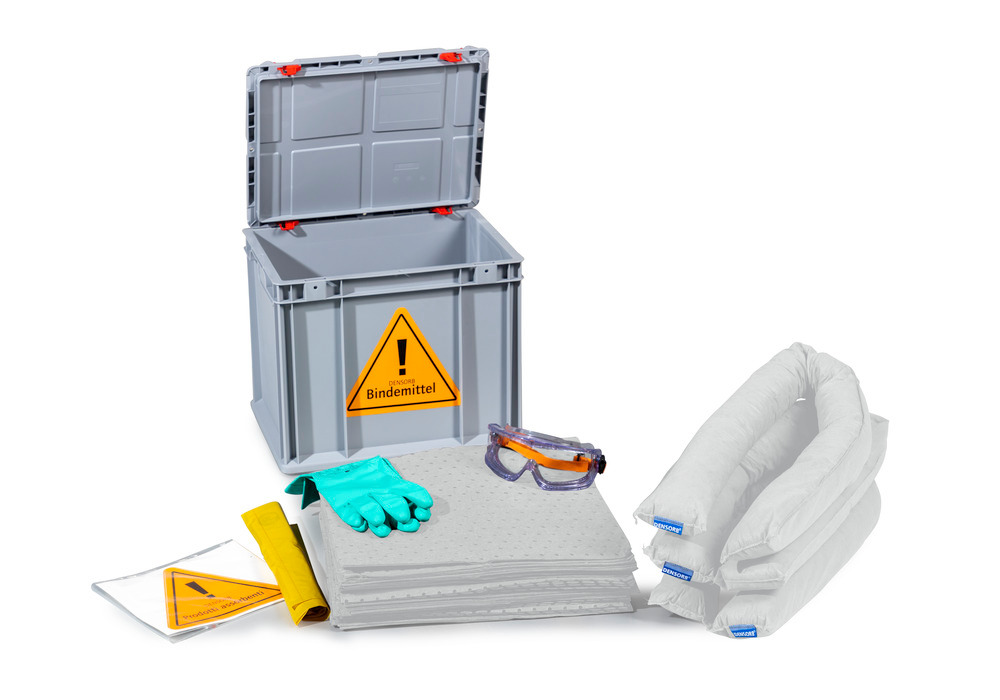
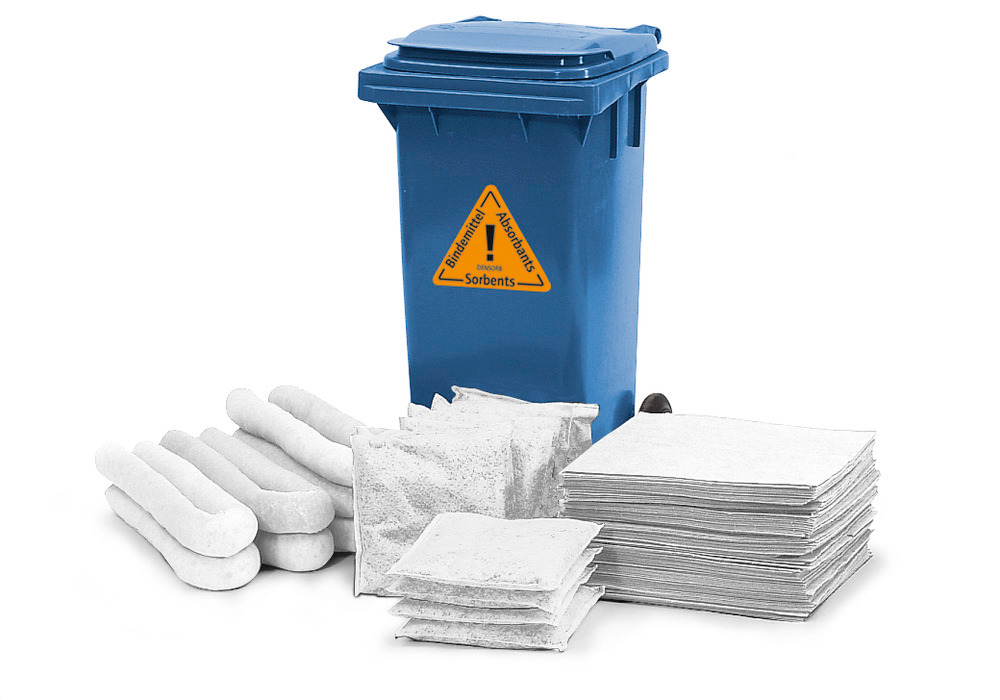
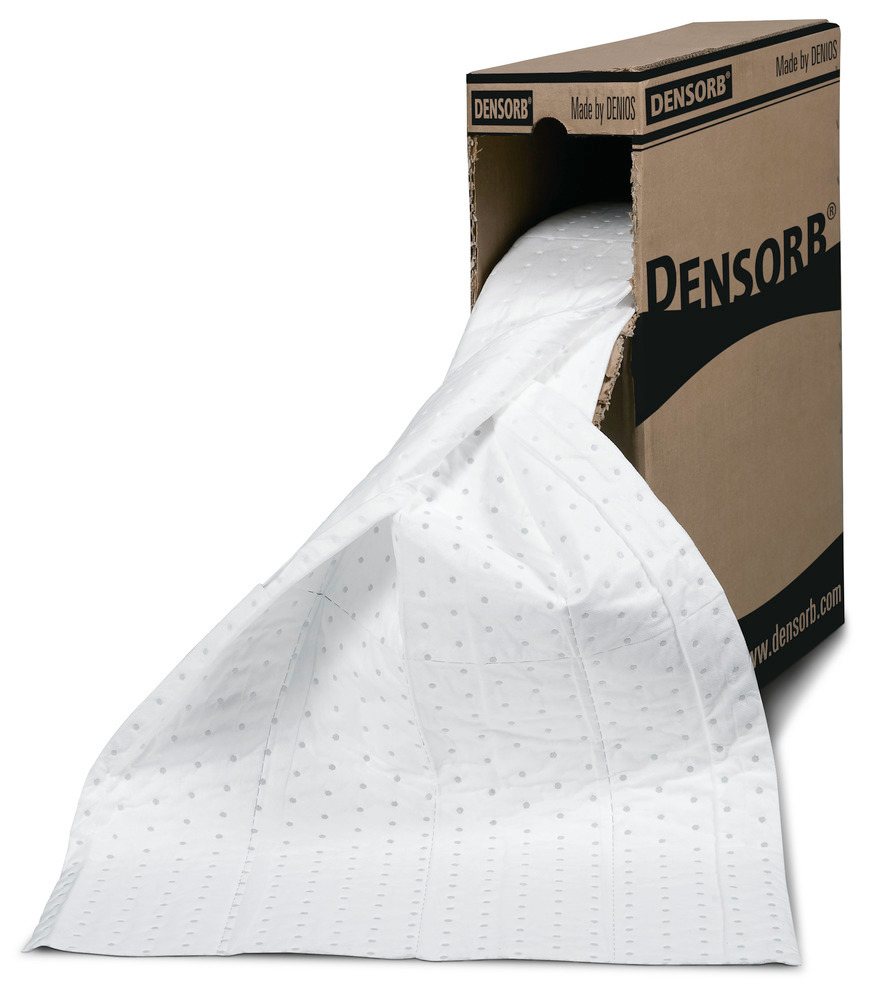
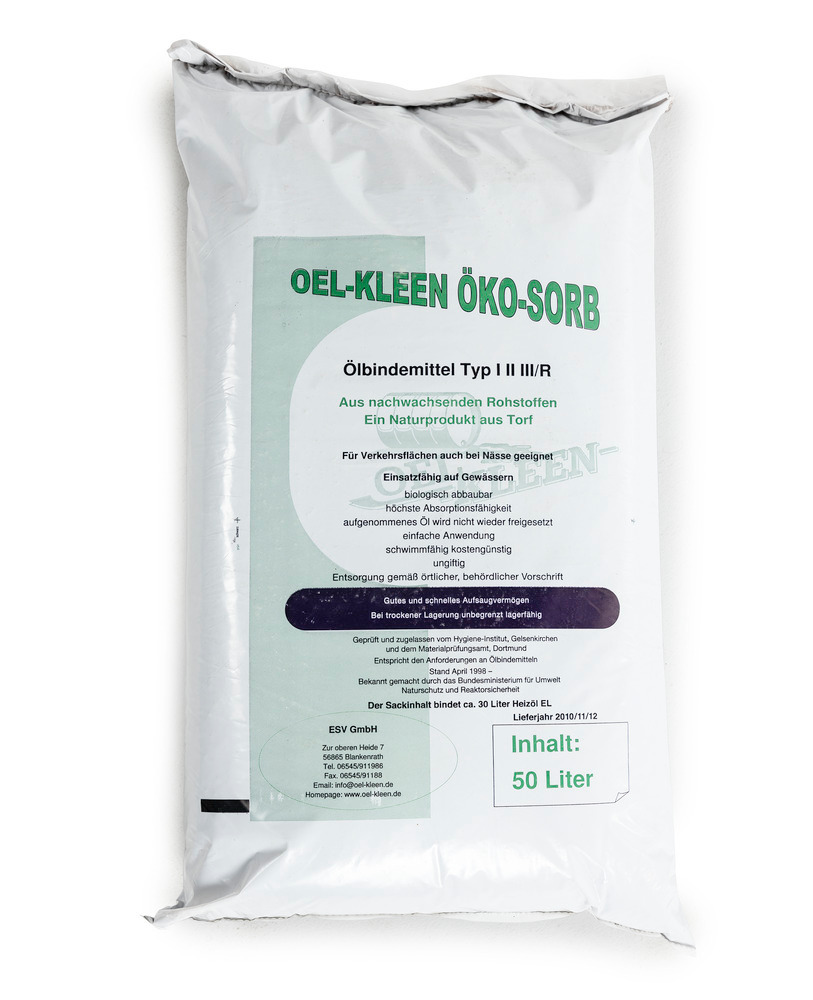
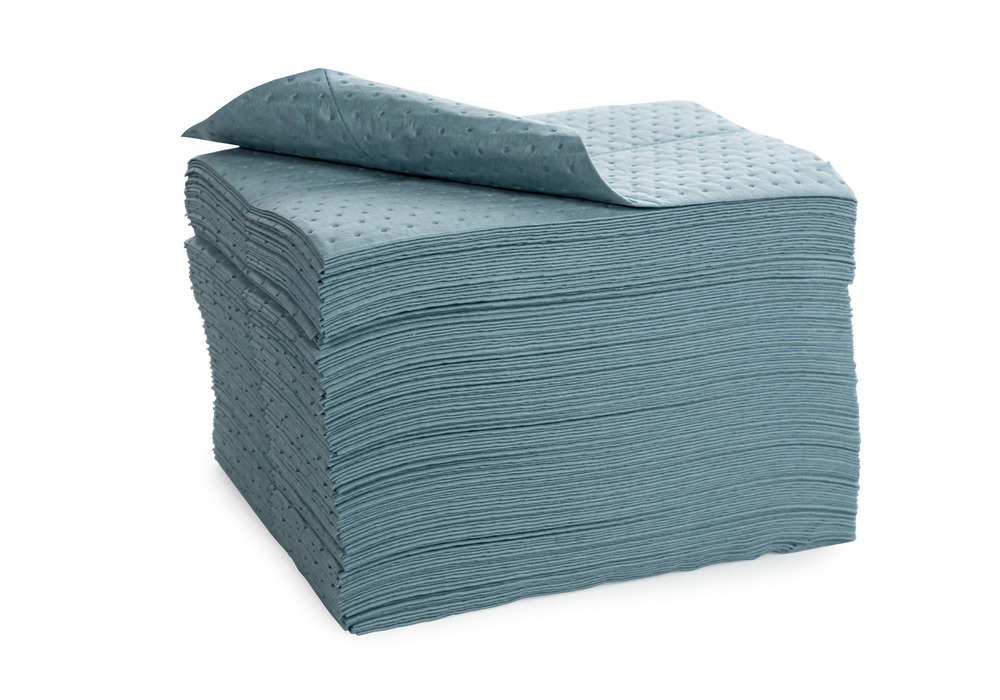
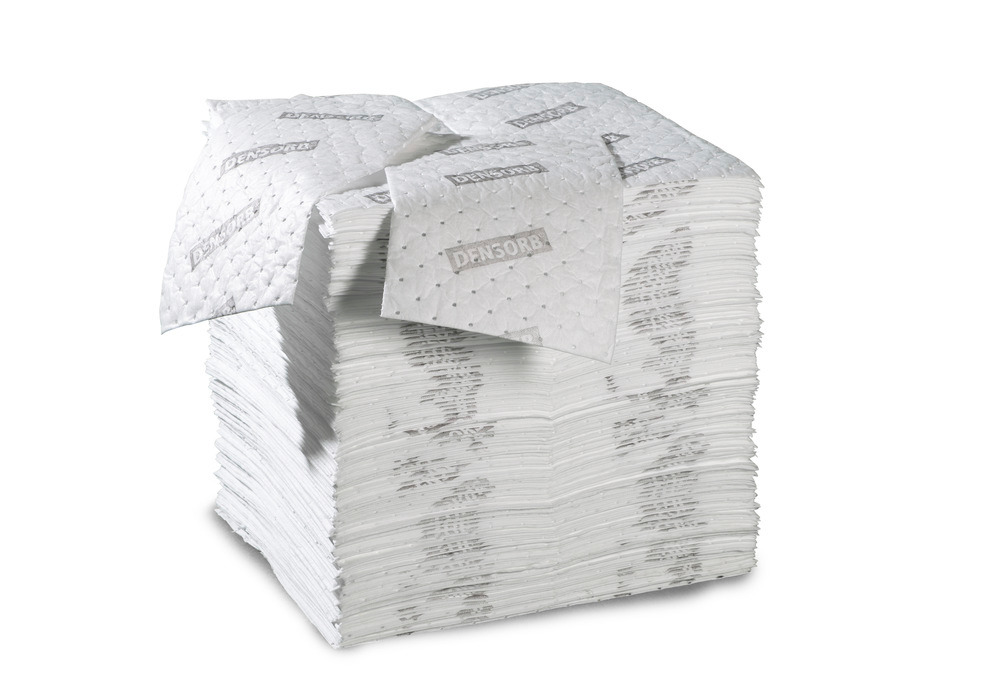
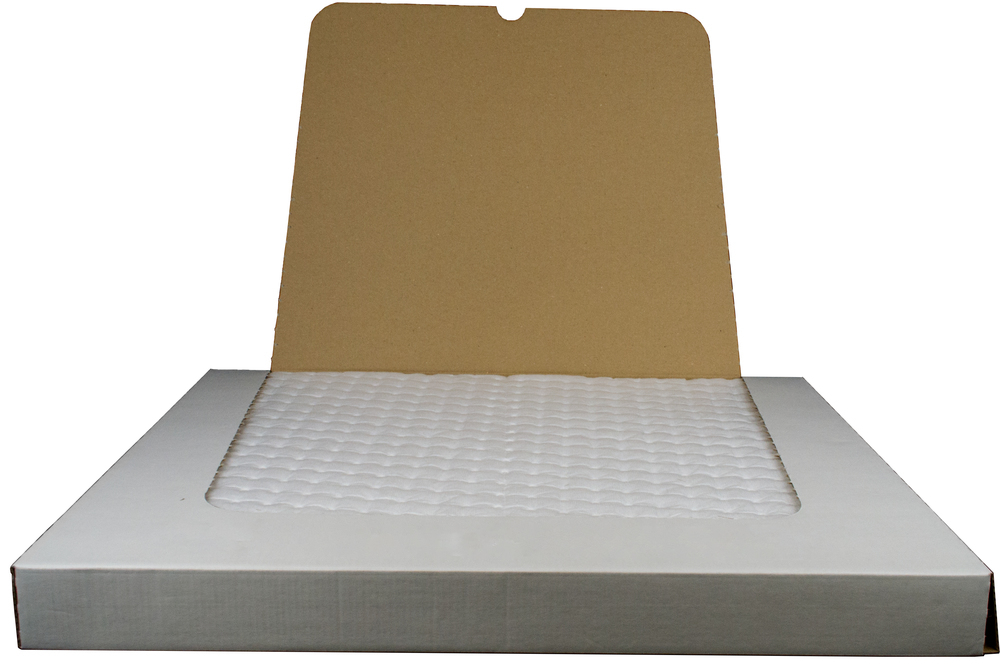
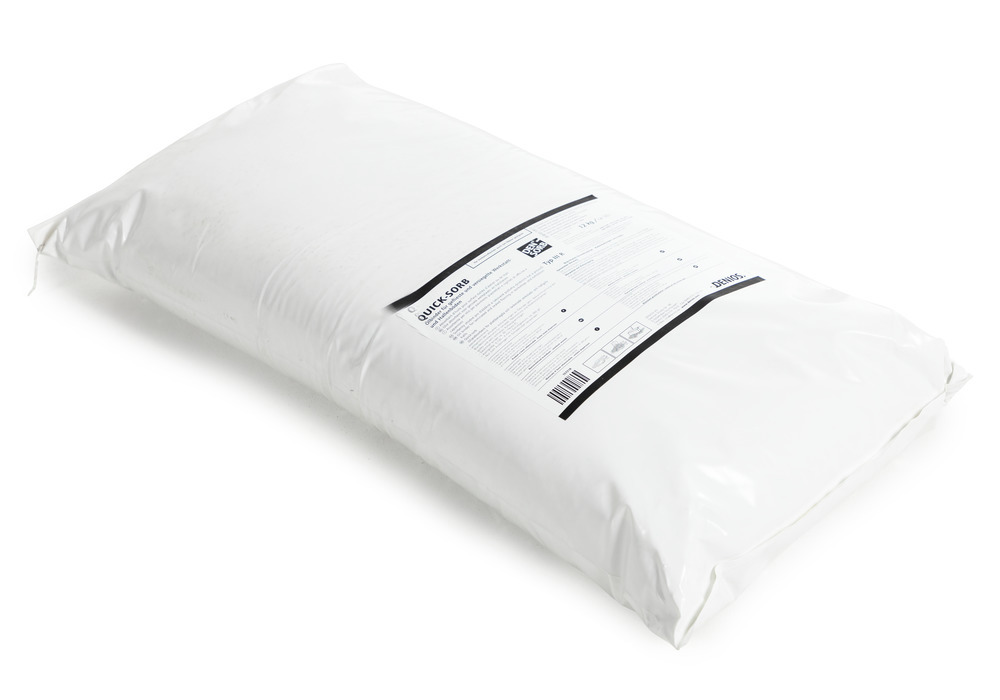
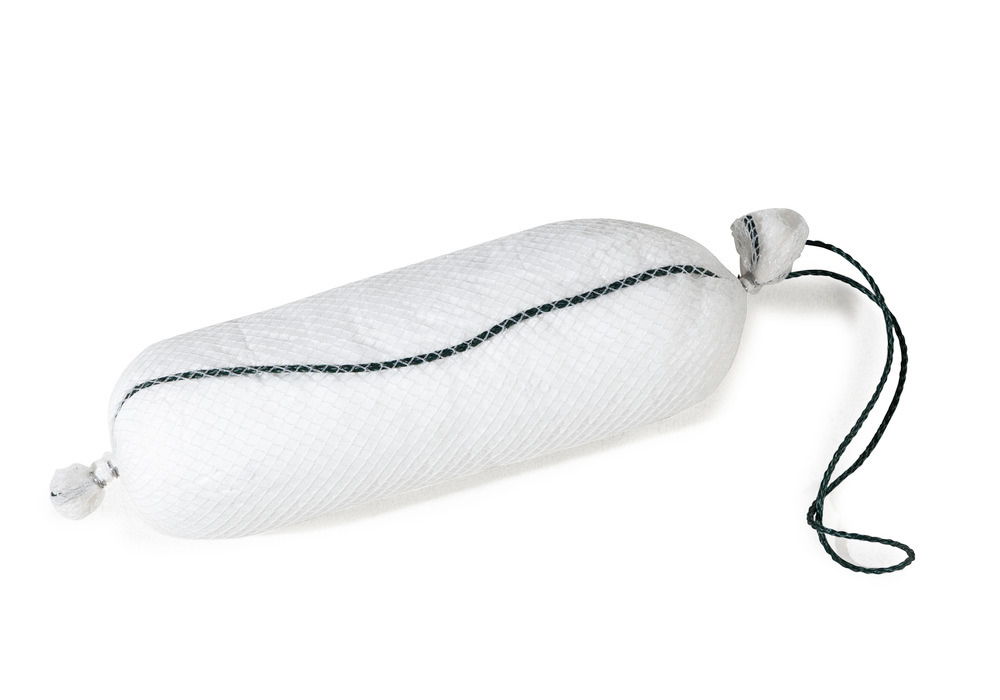
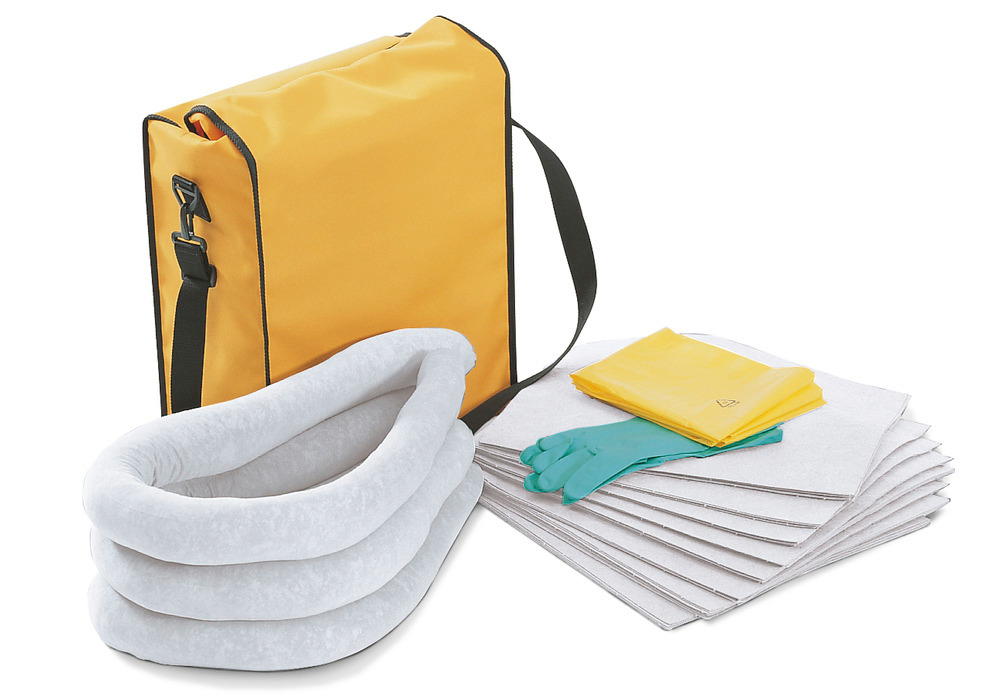
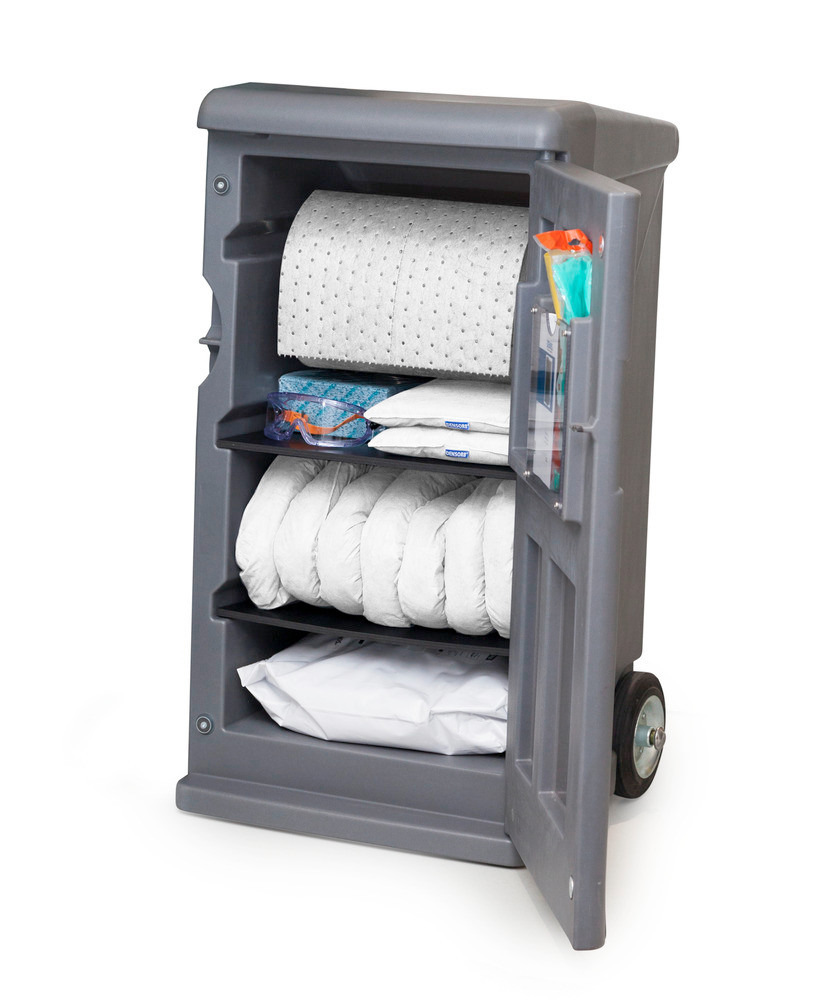
(147 Article)Due to their hydrophobic design, DENSORB® oil absorbent granules and absorbent materials are particularly effective at absorbing oil, or hydrocarbon-based liquids, while repelling water. This property is particularly important for oil spills and their containment on water. Formats such as rolls, mats, socks, cushions or complete emergency oil spill kits are available. As it's important to have enough absorbent materials in stock, DENIOS Ireland offers refill sets for all oil spill kits. The options Economy Single, Economy Double, Economy Triple and Premium Triple absorbency cover the full range of spill response requirements.
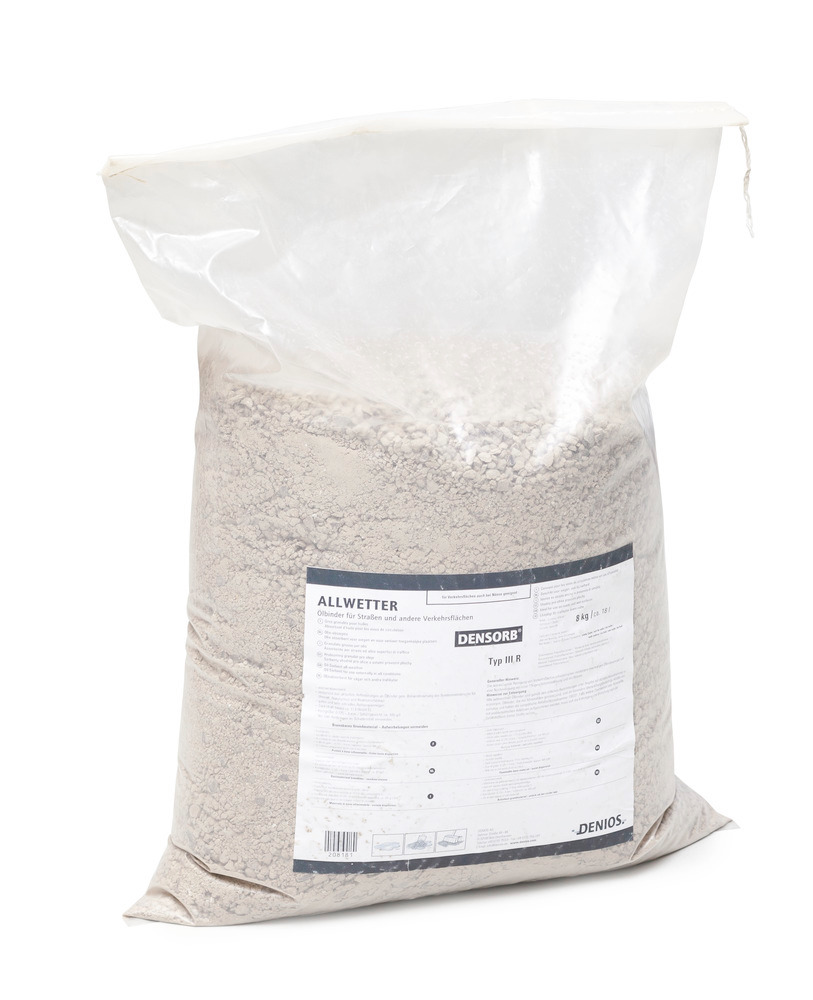
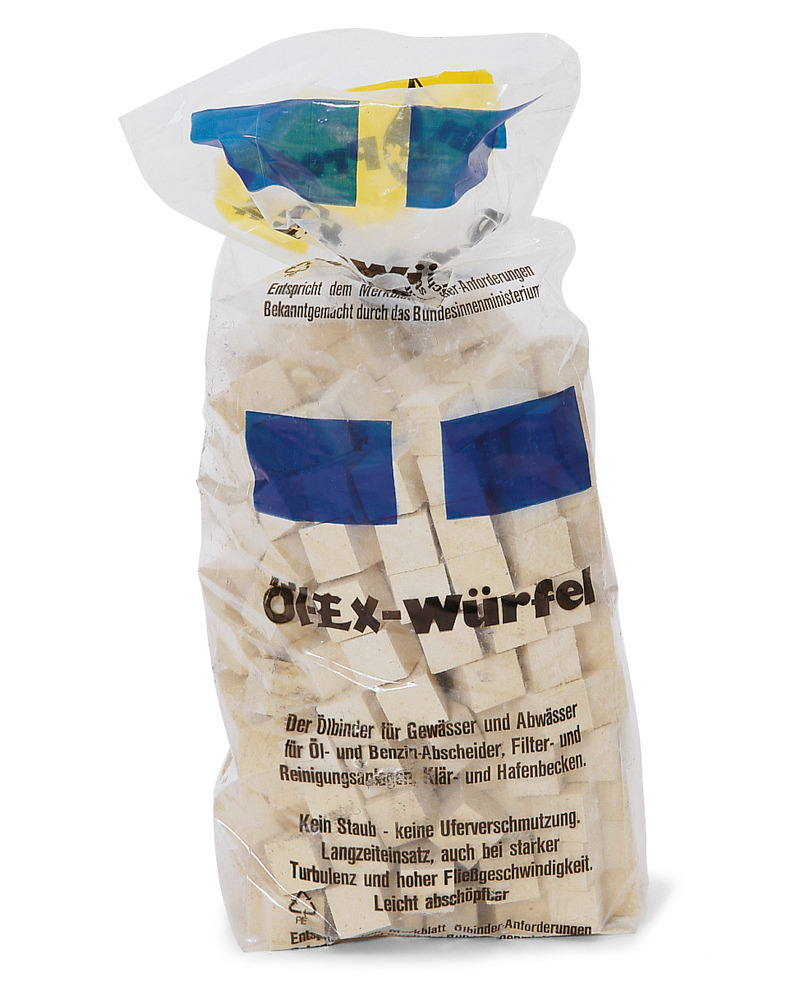

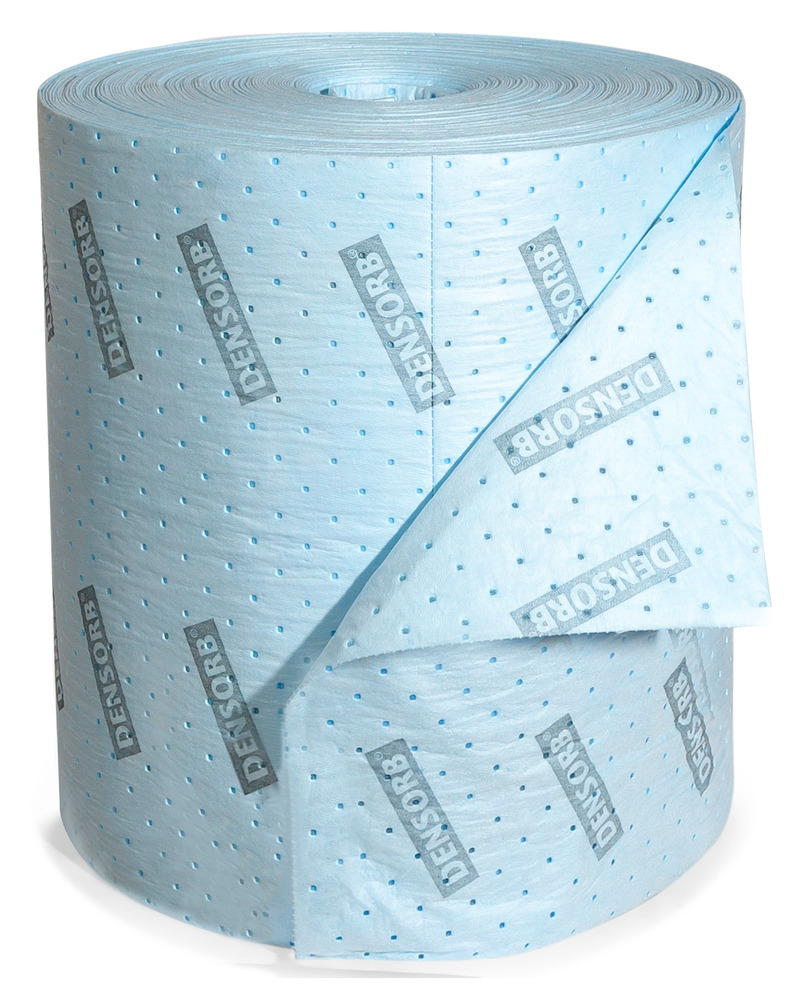
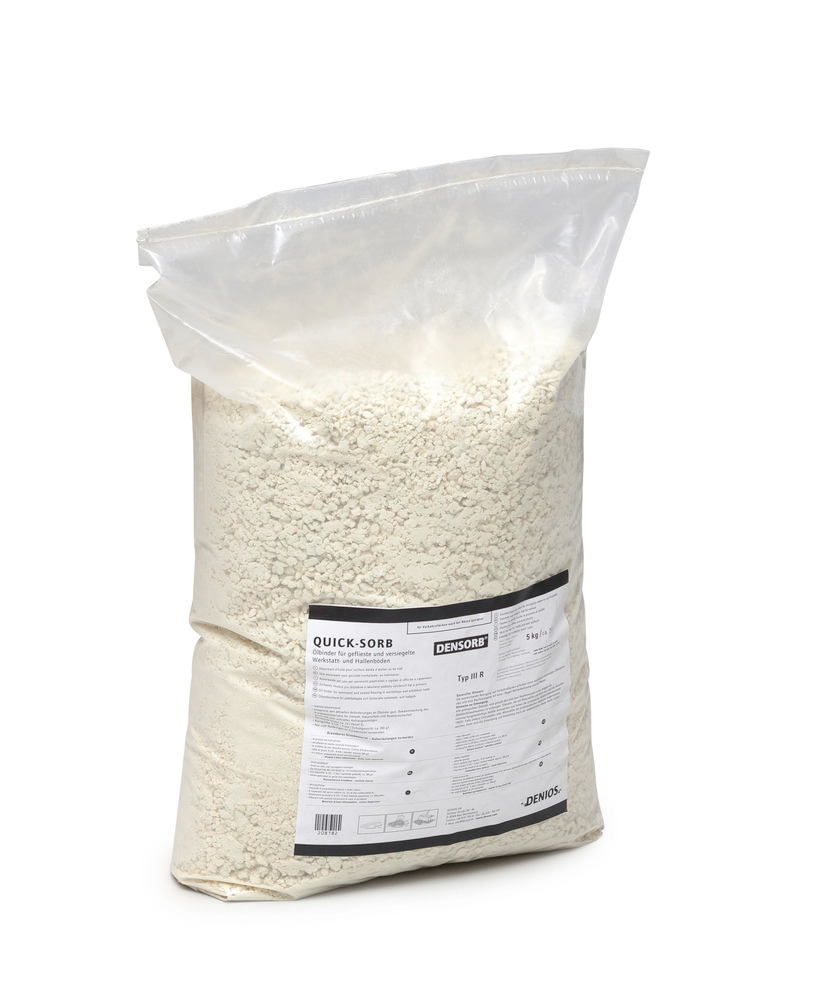
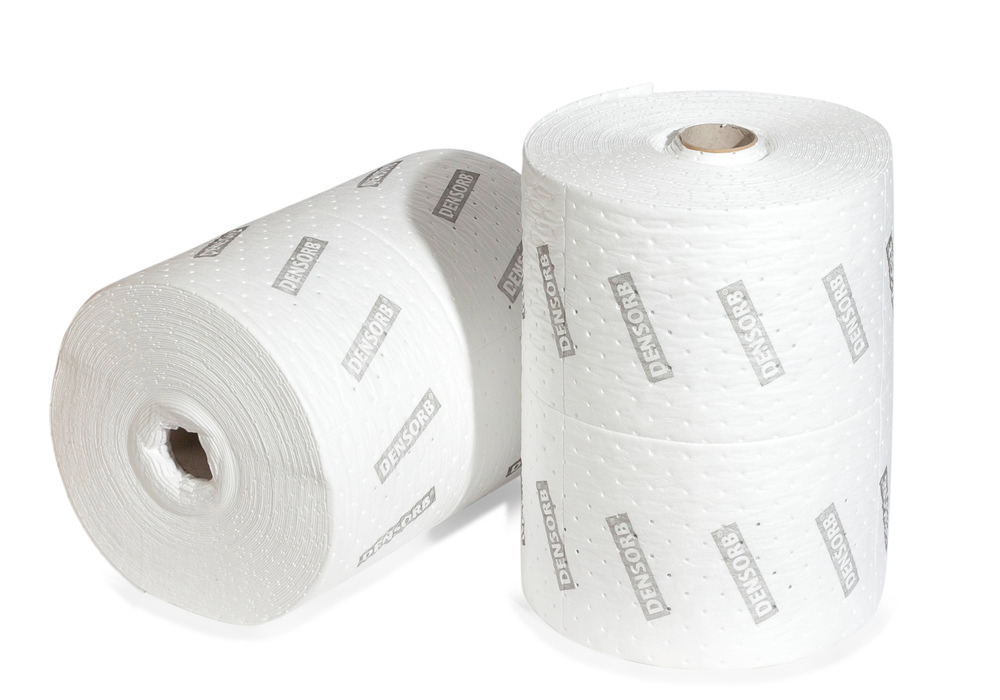
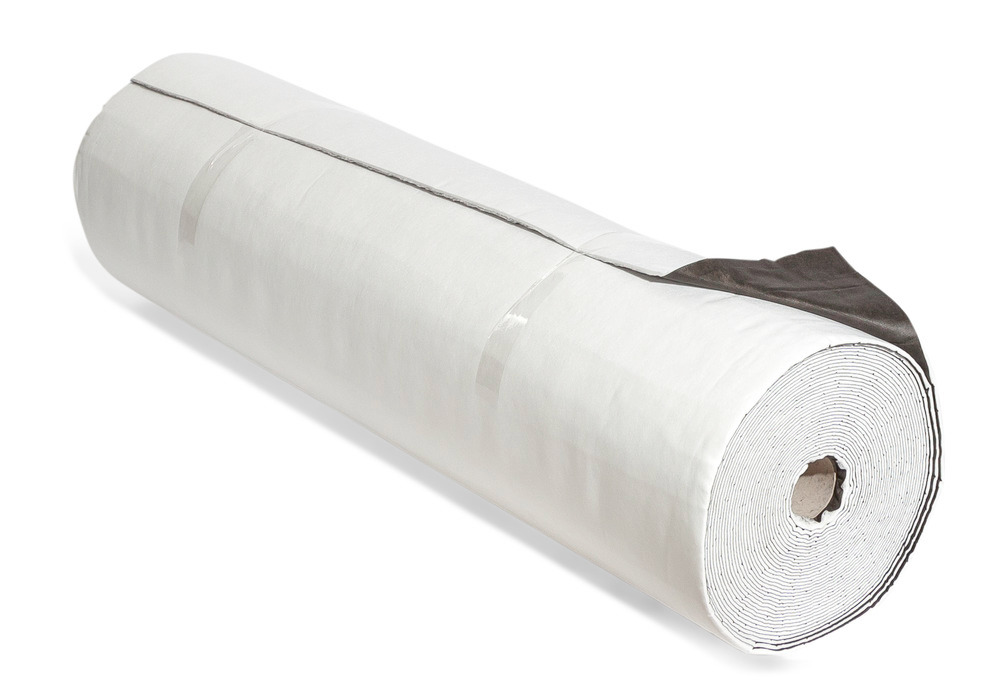
28 from 147 products shown

Oil spill kits and absorbent materials from DENIOS
What are oil absorbent materials?
The name says it all: Oil absorbents absorb oil and bind it, for example in the event of a leak. They are part of good hazard prevention in workplace and are mandatory in the Technical Rule for Hazardous Substances 510. Because whenever oil leaks, special caution is required: A single drop of oil contaminates up to 600 litres of water. Especially in factory halls, it is therefore advisable to make sure that no liquids leak out or pipes leak during machine maintenance. If the worst comes to the worst, oil absorbent materials must be used quickly to prevent the oil from spreading. On the one hand, this means a possible environmental pollution, but also a source of danger for employees. They can slip on the oil and injure themselves.
DENSORB® oil spill kits have the special feature of absorbing oils and repelling water. Therefore, they are particularly suitable for hydrocarbon-based liquids. There are different types of oil absorbent materials for various applications, such as granulates, absorbent mats or oil barriers.

How are oil spill kits and absorbent materials used?
Immediate absorption of small and large leaks not only reduces the risk of slips in the workshop, but also prevents ugly stains from spreading into office spaces. Practical: Oil absorbent granules and absorbent materials do not take in any water - so you really only have to pay for the disposal of the actual hazardous material. The application can vary depending on the materials used. DENSORB® absorbent mats can, for example, be laid on surfaces that are continuously contaminated with oils, for example under machines. When maintenance work is due, work surfaces can also be lined with DENSORB® absorbent materials as a precaution. If oil has already leaked, DENSORB® socks can be used to contain it while absorbing the leaked material with more mats or cushions. When the material is completely absorbed, dispose of the absorbent mats depending on the substance taken up.

For industrial applications: Absorbent mats
Absorbent mats are usually more suitable than granules for applications in industrial environments. They are made of polypropylene and can absorb and bind many times their own weight in liquid. Therefore, the disposal costs after the absorption of a pollutant are also much lower than for granules. Both weight and the volume to be disposed of are significantly smaller. Absorbent mats are efficient and easy to handle. Our DENSORB® range includes DENSORB® Oil, an absorbent mat optimised for mineral oils. Besides efficiency, cost-effectiveness is a significant factor. We offer DENSORB® in packs (oil spill kits) perfectly adapted to the task: on rolls, as mats, socks, cushions or as oil barriers for use on water. Granules also deserve a mention, proving their worth outdoors on traffic areas and roads, even in rainy and wet conditions.
Olil absorbent materials: What is the difference between granulates and absorbent mats?
Many companies count on the use of oil spill kits in the form of mineral granulates for absorbing liquids. DENIOS has tested such granules and compared them with DENSORB® binding fleeces. The main differences are as follows:
- DENSORB® oil absorbing fleece has a much higher absorption capacity.
- DENSORB® oil absorbing fleeces absorb spilled liquids much faster.
- DENSORB® oil absorbing fleeces are particularly convincing indoors and on water surfaces, while granulates are the product of choice for rough surfaces outdoors and for special cases such as extremely hot liquids.
- Due to the high absorption capacity of DENSORB® oil absorbing fleeces, you need less oil binding material and therefore save costs.
- The lower weight and volume of the DENSORB® oil absorbing fleeces provides more space for other things.
Oil absorbent materials for water
Oil has a lower density than water and is also lighter. This means that it does not mix with water and floats on the surface. Oil absorbent granules and absorbent materials for water must therefore have similar properties in order to bind or contain the oil film on the water surface. There are several ways to do this:
- Floating granules
- Oil sweeps
- Absorbent mats
- Oil dice
- Oil skimmers
- Oil skimmers Absorbent oil barriers
Oil sweeps and absorbent mats remove oil films, for example motor oils, diesel, heating oils or vegetable oils, from the surface of water. They are variable in length and still float, even when saturated. Oil dice are designed for continuous use in water, even at high flow speeds. They are added directly to the contamination and absorb it. Oil skimmers are bag-shaped and can be lowered directly into drains, pipes or manholes on a pull rope. Oil barriers contain contamination over a large area, thus preventing further spreading and at the same time absorbing the oil floating on the surface of the water.
Oil spill kits in daily use
Crashes happen on the roads several million times a year. In many cases, oil and petrol leak from the vehicle. Therefore, oil absorbent materials in the form of granules are indispensable for fire brigades and rescue teams. This is because the spilled liquids pose a danger to road traffic and the environment. Road users can slip on it and cause accidents themselves. Seeping oil and petrol penetrate deep into the earth and can reach the groundwater. In extreme cases, one litre of oil is enough to contaminate one million litres of groundwater. With an oil spill kit, the fire brigade thus effectively counteracts traffic and environmental accidents.
Disposing of oil absorbent materials: This is how it works
Before you can dispose of the oil binder, the waste must be assigned a so-called waste code in accordance with the Waste Catalogue Ordinance. Since in most cases the hazardous substances are stored in the company for a short time before they are disposed of, the hazardous substances law also applies in addition to the waste law. If a disposal company collects the containers, aspects of dangerous goods law also apply.
In conclusion, the following applies: Mixing of different wastes with hazardous substances such as oils is prohibited. Appropriate waste containers must be provided for each type of hazardous material. If there is any transfer work during the disposal process, for example from a small waste container to a larger one, you must take further protective measures for this work. As a packer, you are also responsible for ensuring that the packages are adequately labelled during transport.
Further guidance on absorbents and oil spill kits
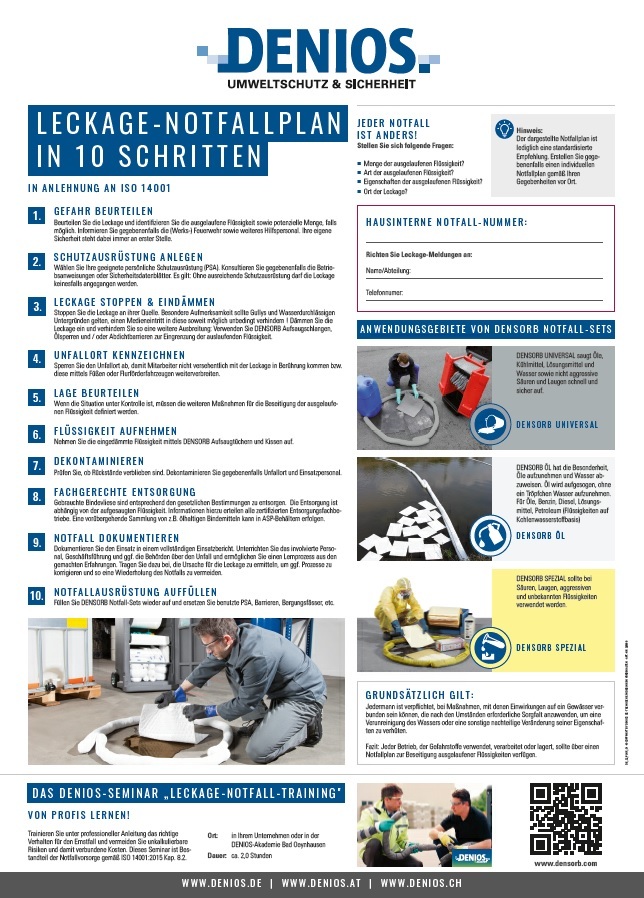
Download our pdf guide to absorbents and emergency spill response. Find more details on which absorbents are best for each type of leak or spill. See the full range of protective equipment, spill response kits and absorbents for oil, chemical or universal spills.
Oil Absorbent Material Expertise
- View your order history
- Save shopping list and basket
- Save preferred payment method for future orders
Give us a call or fill out the form and we will get back to you as soon as possible.
Calls are handled by our UK team. All sales are processed via our German parent company so are VAT* / tariff free where applicable. *Must be fully IE VAT registered