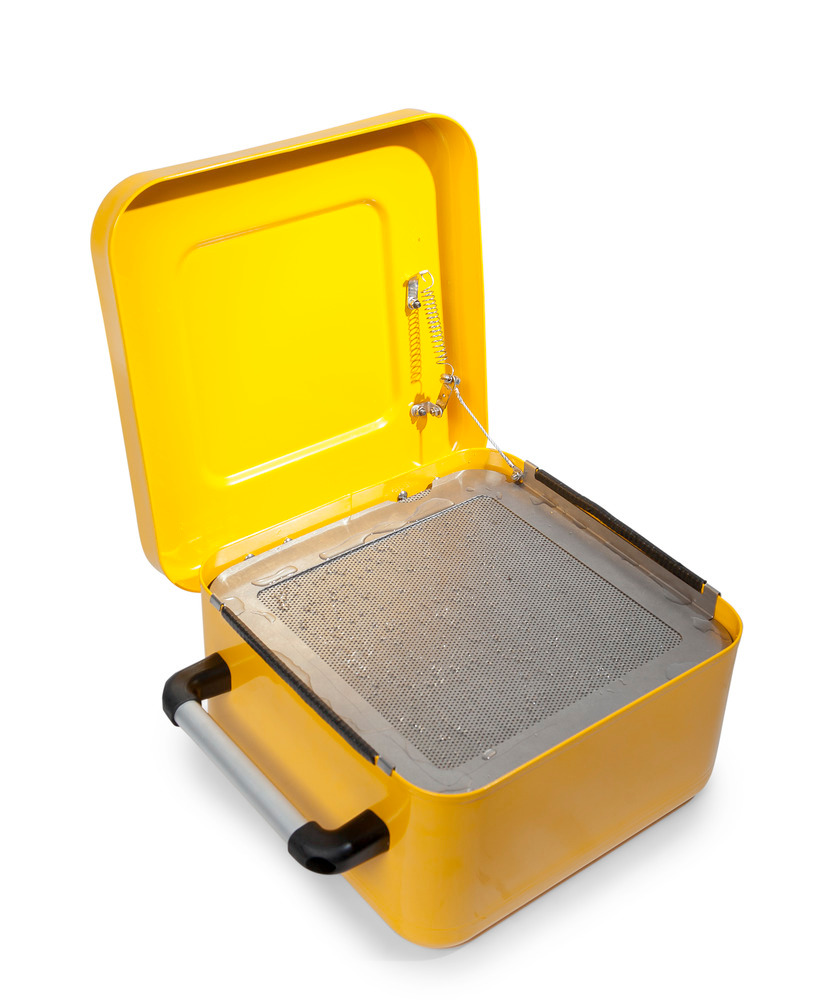
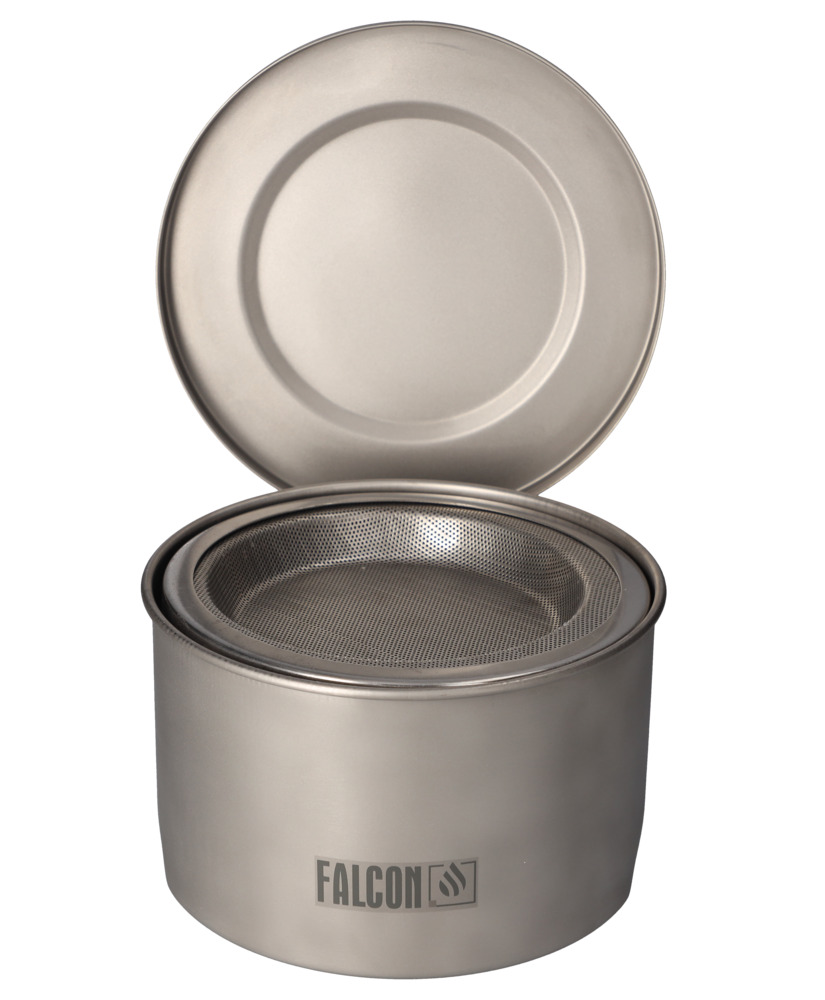
Dip and Wash Tanks
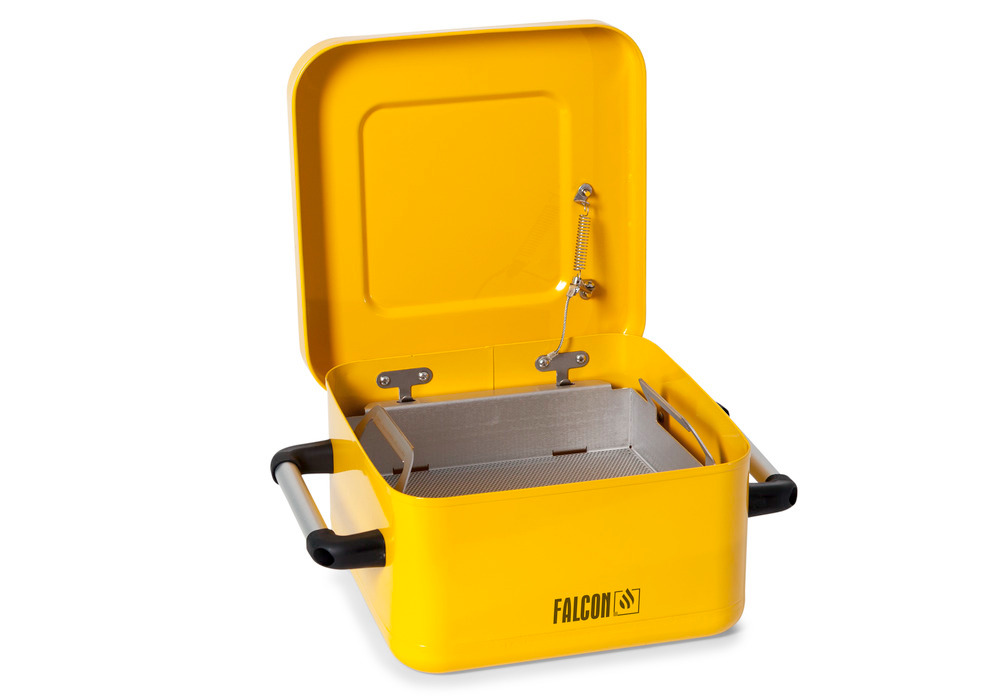
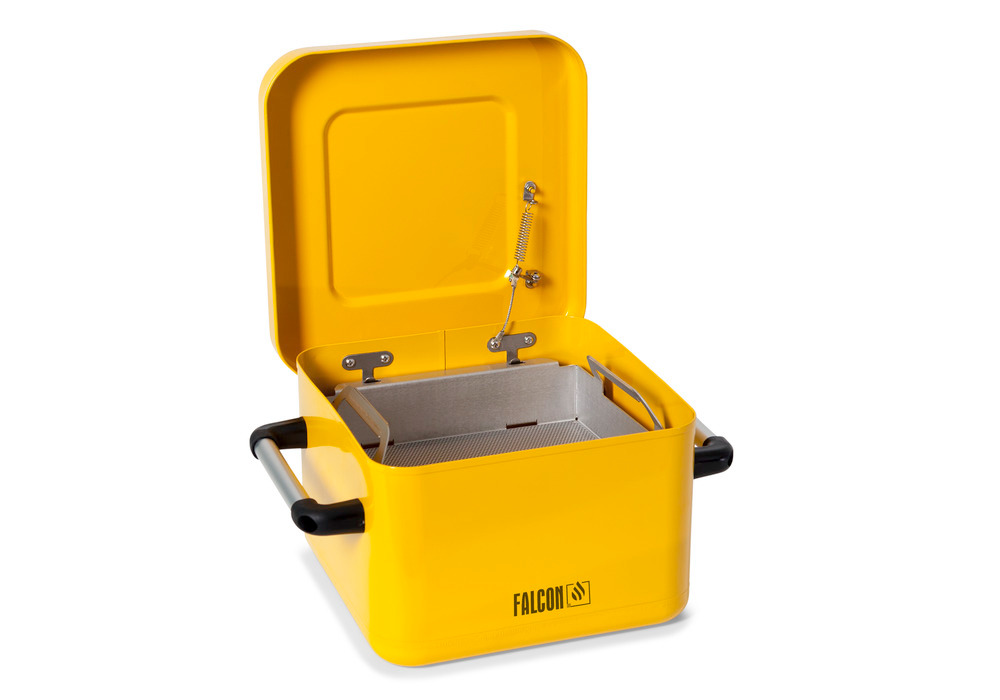
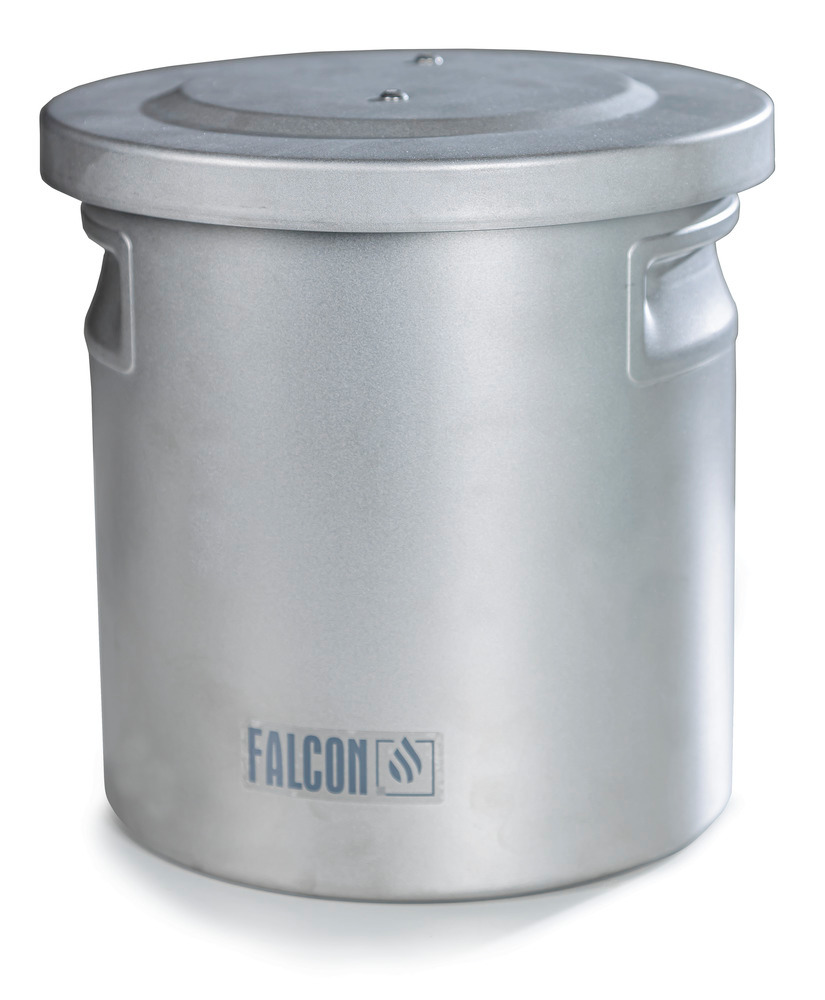
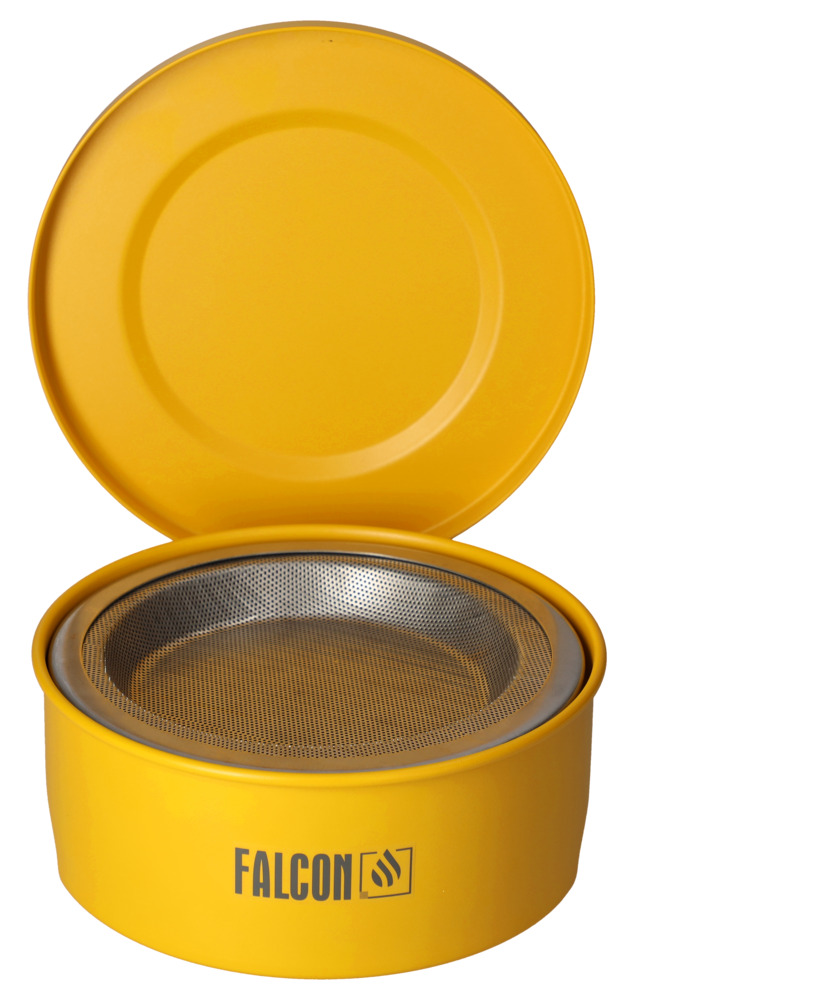
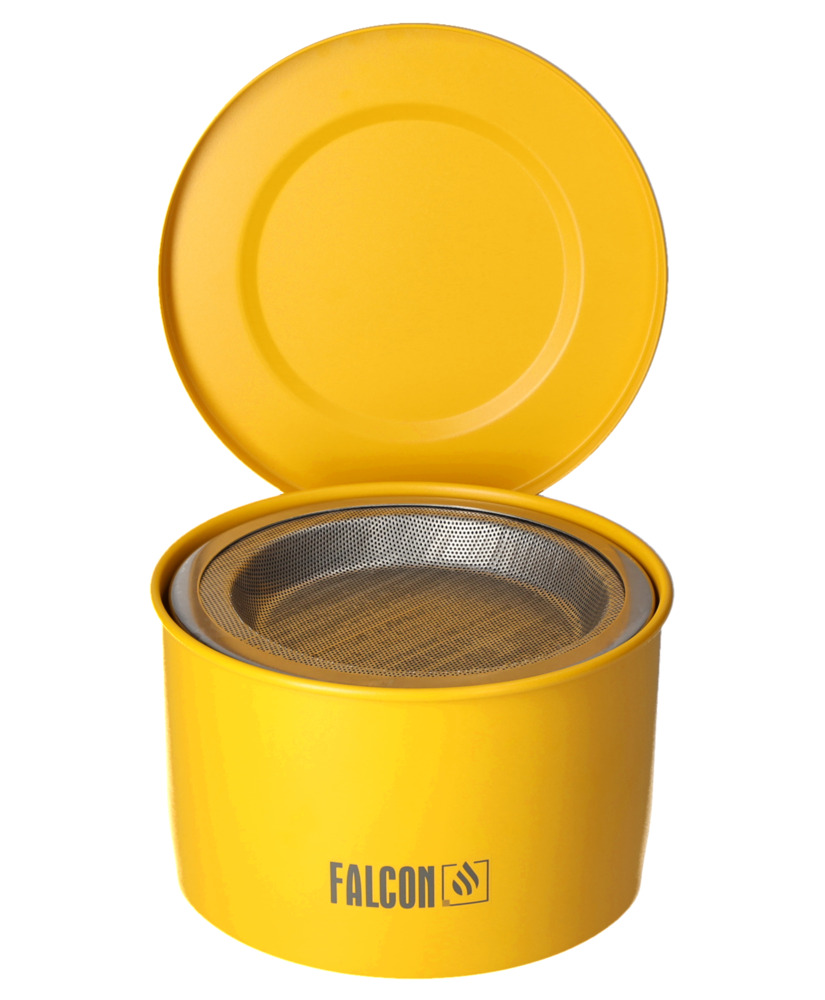
(7 Article in 18 versions)Part washers such as dip tanks and wash tanks are ideal for the safe cleaning and soaking of small parts in a range of environments. These small parts cleaners offer an effective way to clean, degrease and soak small components on workbenches.
Common applications for dip and wash tanks include maintenance, engineering and manufacturing environments. When combined with washing tables and washstand accessories, our tanks can be utilised to offer a complete workflow for the efficient cleaning of parts of a range of sizes in any of these environments.
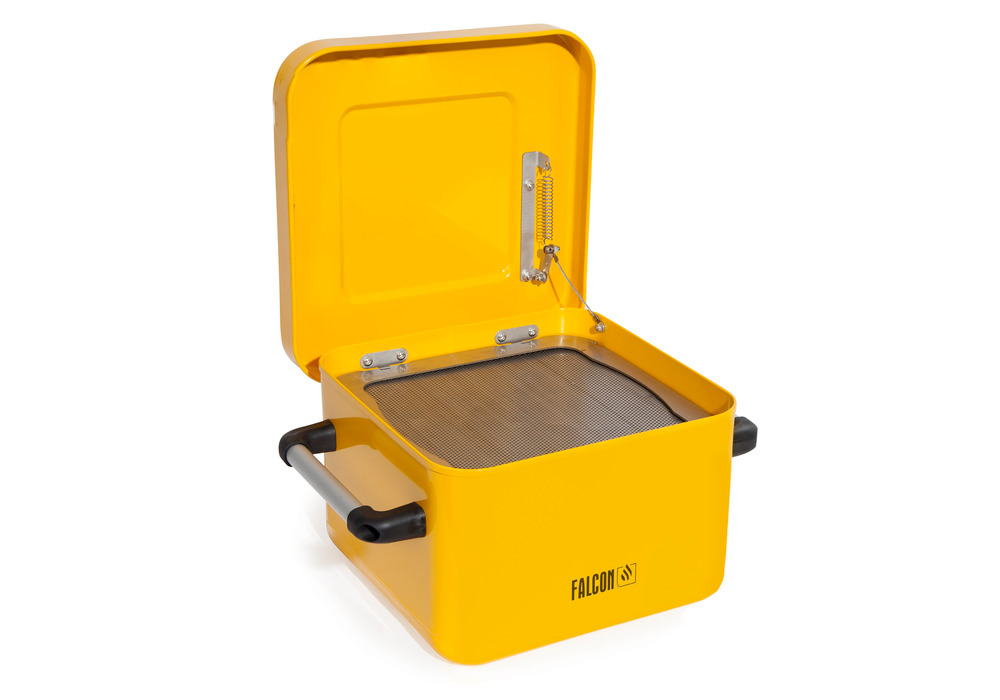
Selected DENIOS parts washers incorporate fusible links that automatically close the lid in the event of a fire.
Parts Washers and Dip Tanks from DENIOS
What are dip tanks used for?
Dip tanks are commonly used for cleaning components by immersing them entirely in a cleaning solution. This method is particularly effective for the removal of oils, dirt, grease and other contaminants in a range of environments. Common applications for dip tanks in different sectors include:
Engineering workshops: Dip tanks can be used to remove machining oils, grease and metal debris from tools and precision-engineered components.
Automotive facilities: Dip tanks are used to clean engine parts, brake components, gearboxes and other vehicle parts by removing oil, grease and carbon deposits.
Manufacturing: Dip tanks support production processes by cleaning components before assembly, welding, coating or painting.
Industrial facilities: Dip tanks are used as part of routine maintenance programmes to clean machinery parts and equipment, potentially extending the equipment lifespan.
Immersion cleaning is effective for intricate parts where manual cleaning is unable to effectively and safely reach cavities, recesses, threads and other small elements without causing damage. Immersion offers a thorough clean, typically using water or solvent-based cleaning substances.
Benefits of using a wash tank
Wash tanks provide a controlled method for cleaning equipment and can support safe working practices when used alongside appropriate risk assessments and control measures. Some of the benefits of using dip and wash tanks include:
Consistent cleaning results: Immersion cleaning provides even contact between the cleaning solution and the component, helping to achieve a thorough clean.
Reduces manual scrubbing: Soaking components loosens grease, oils and other contaminants, reducing the need for intensive manual cleaning that could be damaging.
Improves workplace efficiency: Cleaning multiple parts at once and reducing manual handling helps streamline maintenance and production processes.
Prepares components for repair or assembly: Removing contaminants before inspection, repair, machining or assembly improves visibility and helps support the quality of downstream processes.
Reduces contamination: Effective cleaning removes residues such as lubricants, machining oils and debris that could affect equipment performance.
Safer handling of cleaning fluids: Purpose-built wash tanks provide a controlled environment for immersion cleaning, helping to reduce spills and unnecessary exposure to cleaning chemicals.
Built-in safety features: Specific wash tanks incorporate features such as self-closing lids, drain valves and removable baskets to support safer operation and maintenance.
Choosing the right dip and wash tank
Selecting the right dip and wash tank is essential to ensuring your equipment is fit for purpose. Some of the factors you may wish to consider include:
Tank capacity: Your chosen tanks should have sufficient volume to fully immerse the components being cleaned without overfilling or wasting cleaning solution.
Component size: The internal dimensions should accommodate your largest parts while allowing them to be safely loaded, immersed and removed.
Cleaning fluid compatibility: Ensure the tank is suitable for the intended cleaning agent, whether water-based or solvent-based.
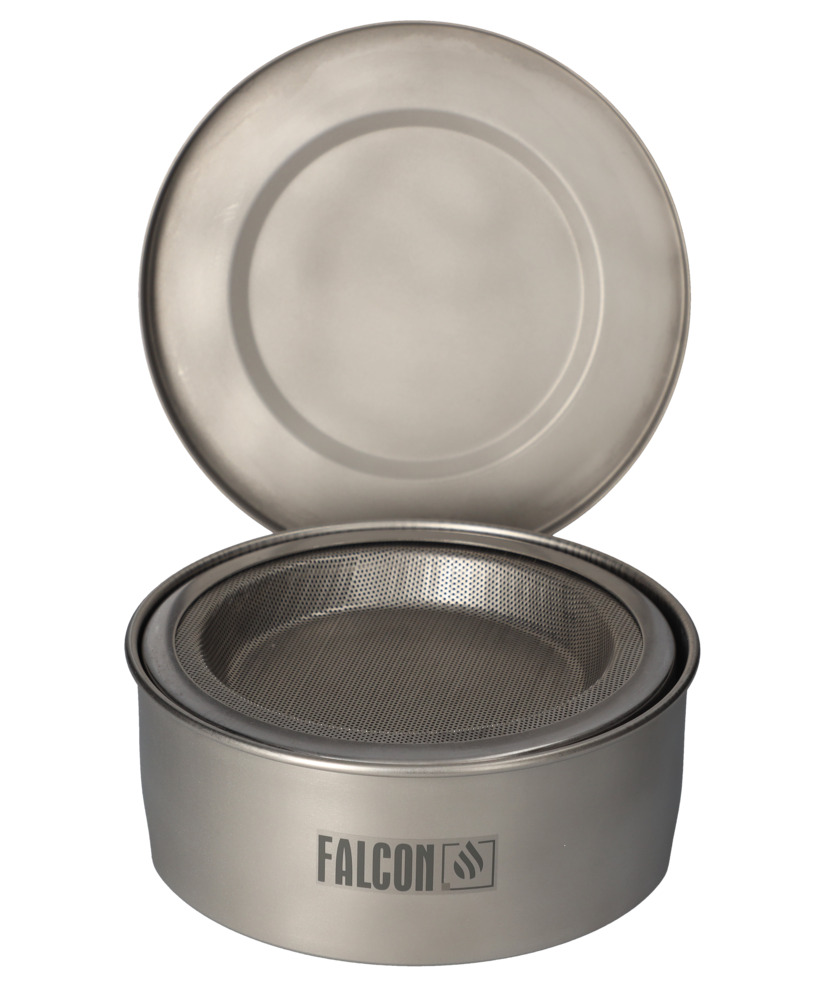
Stainless steel vs painted steel: Stainless steel tanks offer greater corrosion resistance and are well suited to aggressive cleaning agents, while painted steel models may be appropriate for less corrosive applications.
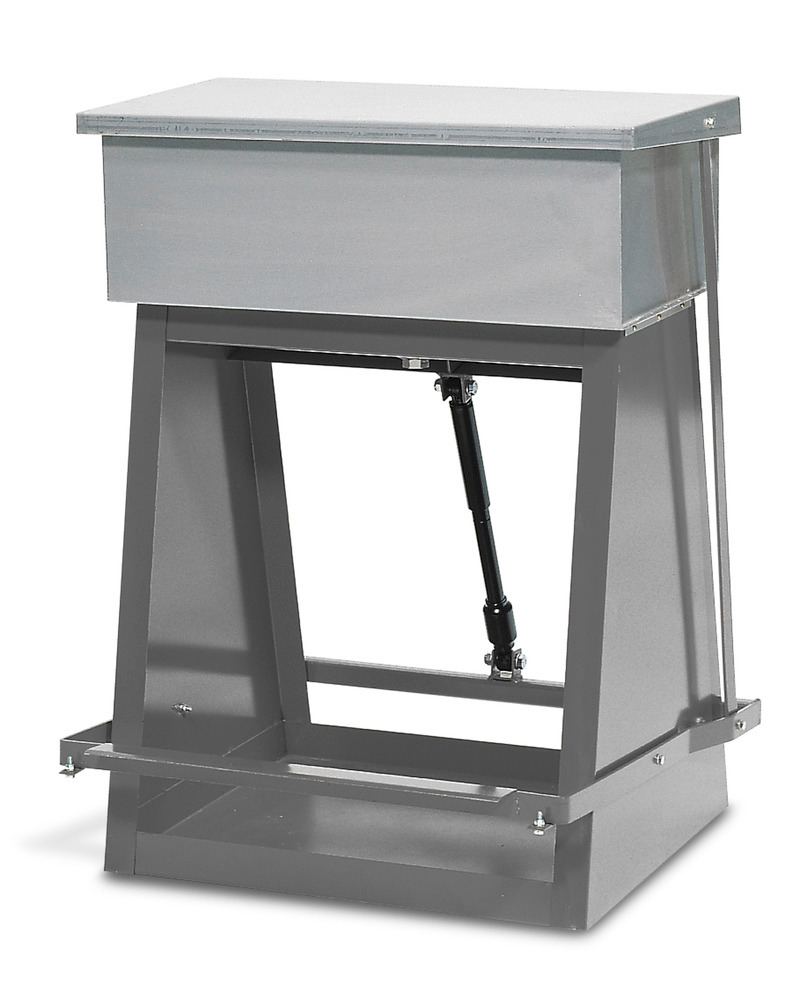
Bench-mounted or floor-standing: Bench-mounted units are ideal where space is limited or smaller components are cleaned regularly, whereas floor-standing models are better suited to larger parts or higher-capacity cleaning tasks.
Fixed or portable units: Fixed tanks are suitable for permanent cleaning stations, while portable models provide flexibility where cleaning needs vary.
Removable baskets or immersion sieves: These features make it easier and safer to lower, lift and drain small components while helping prevent parts from being lost in the cleaning solution.
Why choose a dip and wash tank from DENIOS?
DENIOS' range of dip and wash tanks has been developed to meet the requirements of a wide range of industries, combining robust industrial construction with features that support safe and efficient component cleaning. We offer both compact and floor-standing units featuring fire-safe lid mechanisms for solvent cleaning applications, helping organisations implement appropriate control measures under COSHH and DSEAR.
We also stock a wide range of compatible accessories and related equipment, including materials for safe chemical disposal of cleaning solution following the washing of components. If you’re unsure which dip and wash tank is the best choice for your requirements, our experts can provide personalised advice and guidance on the best solution for your cleaning needs.
Uses for industrial wash tanks
Industrial wash tanks are used across a range of different applications. The heavy cleaning requirements of components in these fields require the thorough removal of machining fluids, grease, oils and other contaminants before they can be maintained, inspected or processed. Some of the common uses for industrial wash tanks include:
Cleaning engine components: Removing oil, carbon deposits and grease from engine blocks, cylinder heads, pistons and other parts.
Cleaning machine parts: Removing machining oils, coolants and debris from components used in manufacturing equipment.
Cleaning bearings and gears: Eliminating lubricants and contaminants from precision components before reassembly, inspection or replacement.
Cleaning hand tools and workshop equipment: Removing grease, oil and general workshop contaminants from reusable tools and maintenance equipment.
Cleaning metal fabrications: Preparing fabricated metal parts for welding, coating, painting or finishing.
Maintenance and overhaul operations: Supporting planned maintenance by cleaning dismantled components before inspection, repair or refurbishment.
Degreasing before assembly: Removing residual oils and contaminants from components before assembly.
The size, weight and quantity of the components you need to clean will affect which size tank is the right fit for your specific requirements.
FAQS
What's the Difference Between a Dip Tank and a Wash Tank?
A dip tank is a type of wash tank designed specifically for cleaning components by fully immersing them in a cleaning solution. While "wash tank" is often used as a general term for immersion cleaning equipment, dip tanks typically incorporate features that support the safe handling of cleaning fluids, such as self-closing lids and removable baskets.
What Cleaning Fluids Can Be Used in a Dip Tank?
The appropriate cleaning fluid depends on the application and the tank's construction. Always check the manufacturer's guidance and ensure any hazardous substances are managed in accordance with COSHH and, where applicable, DSEAR.
What Size Dip Tank Do I Need?
The right size depends on the dimensions and quantity of the components being cleaned. Choose a tank that allows parts to be fully immersed while providing sufficient capacity for your cleaning process and available workspace.
Are Dip Tanks Suitable for Industrial Workshops?
Yes. Dip tanks are widely used in engineering workshops, manufacturing facilities, automotive environments and other industrial settings to clean components before inspection, maintenance, repair or assembly.