
Dehmer Strasse 58-66
32549 Bad Oeynhausen
br>Tel.: +49 5731753-0
Email: info@denios.ie
Internet: www.denios.ie
Plastic Spill Trays
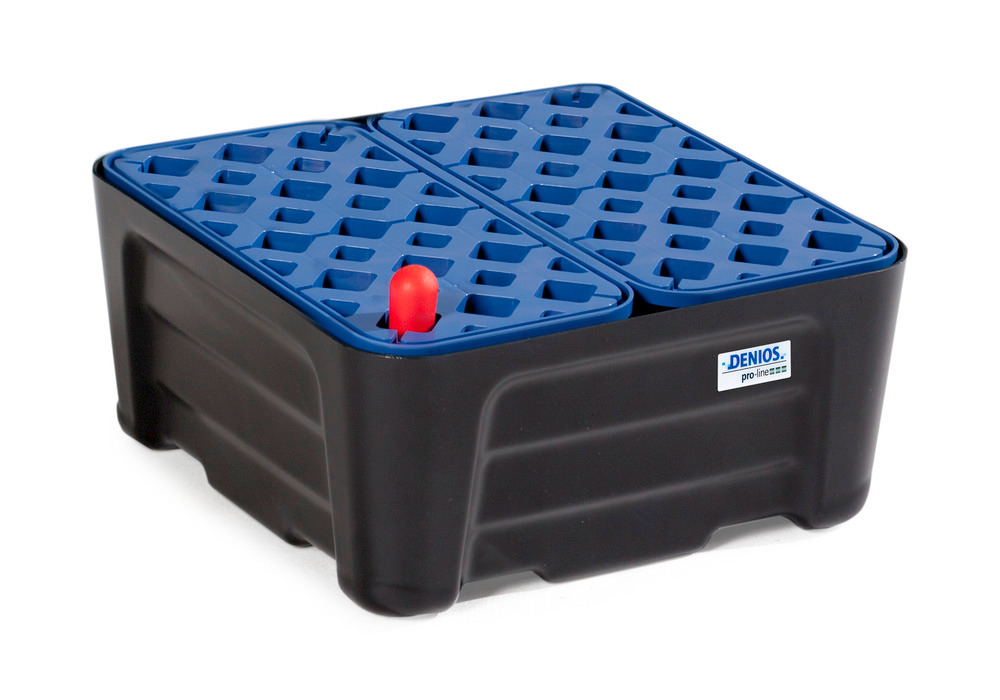
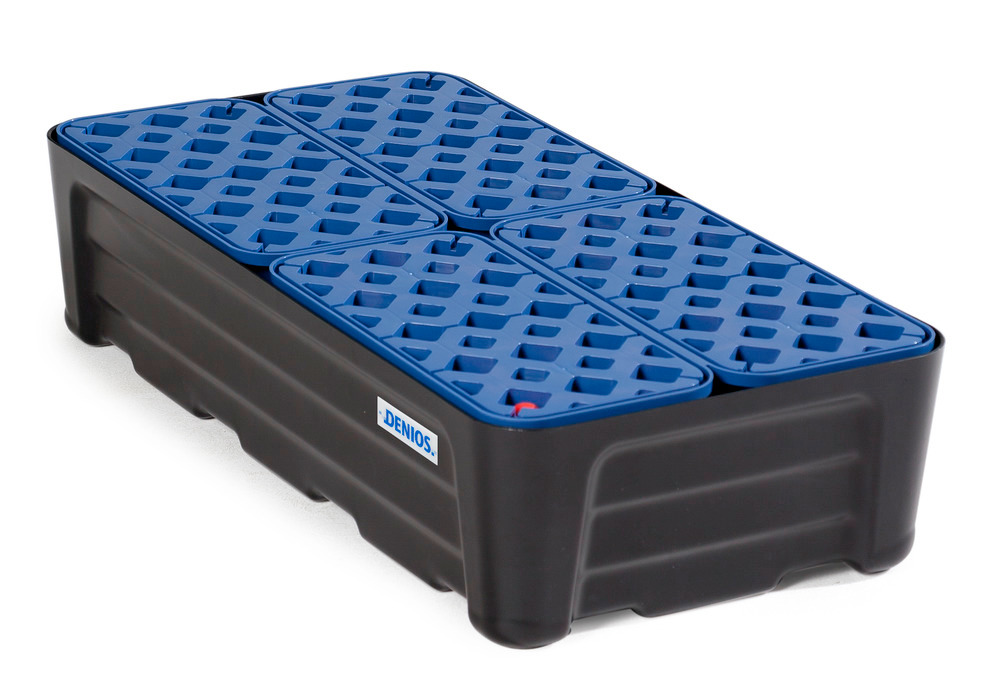
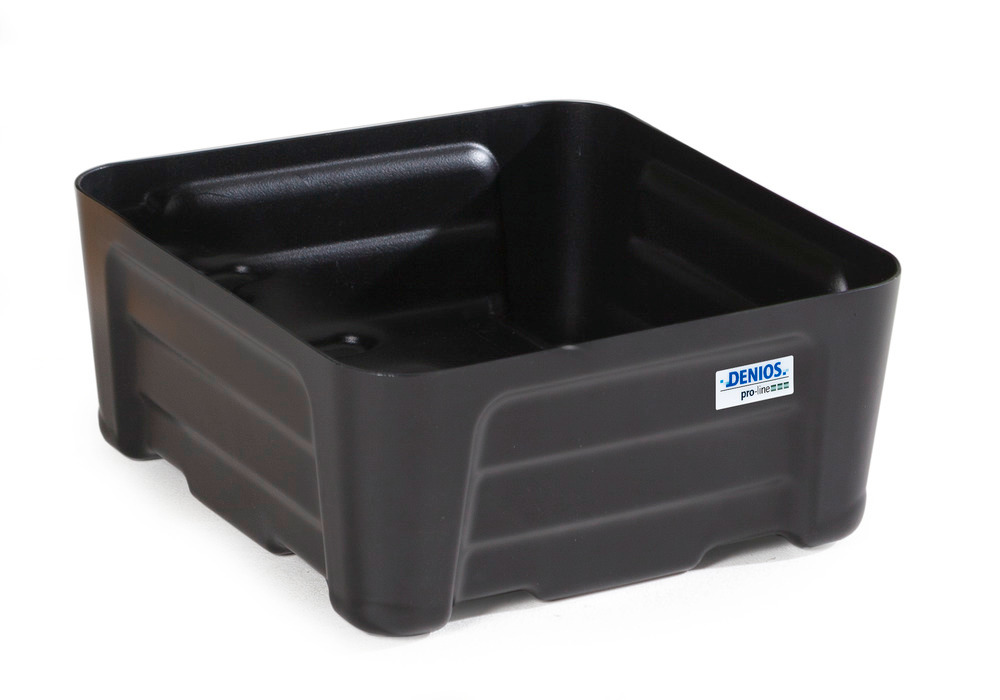
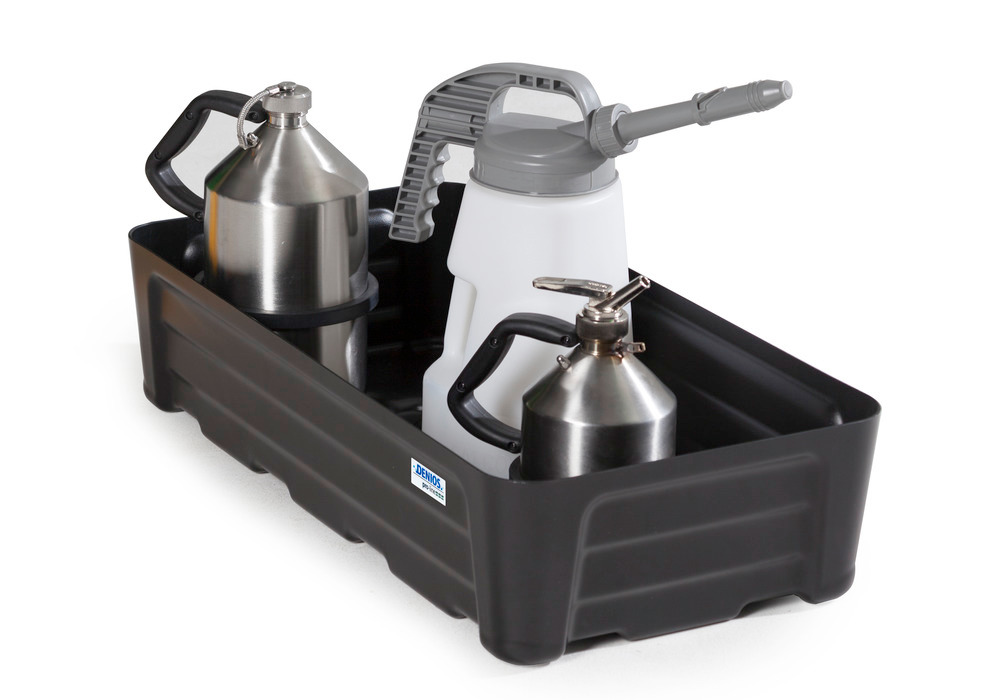
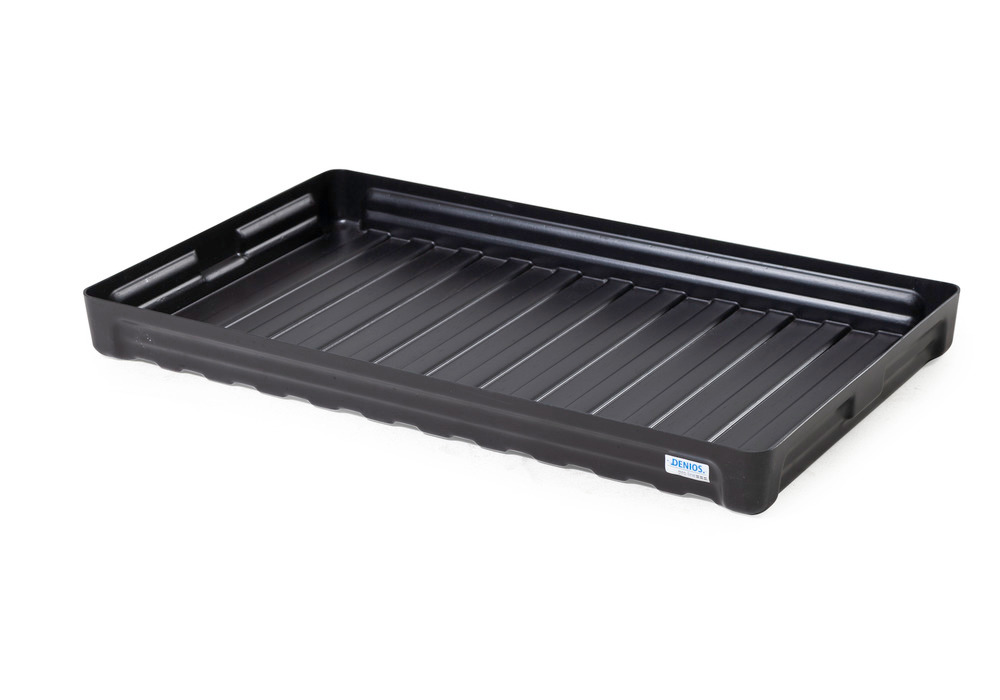
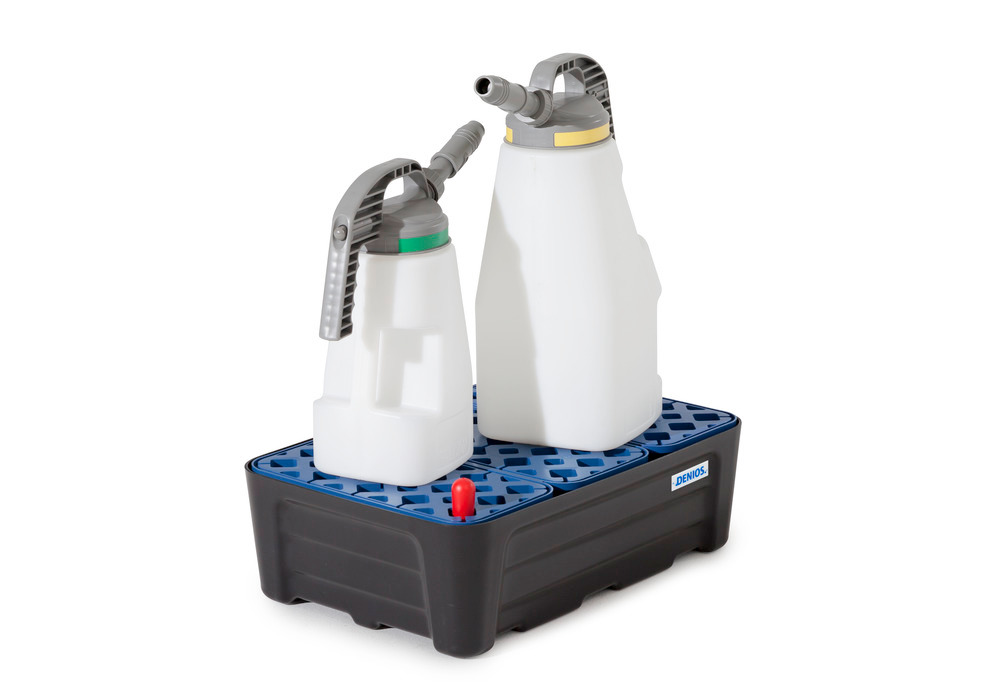
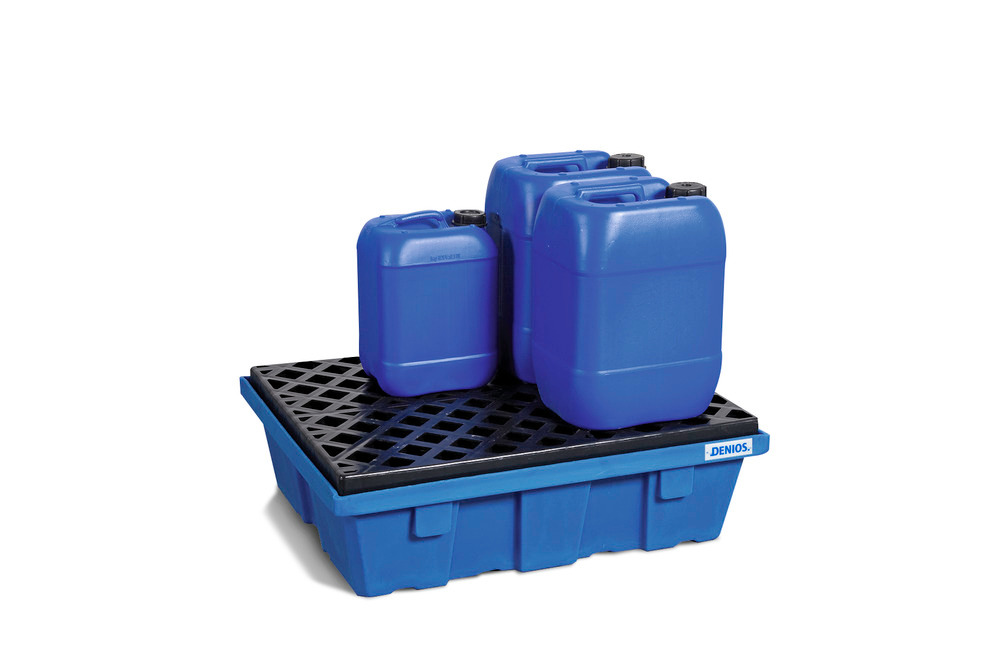
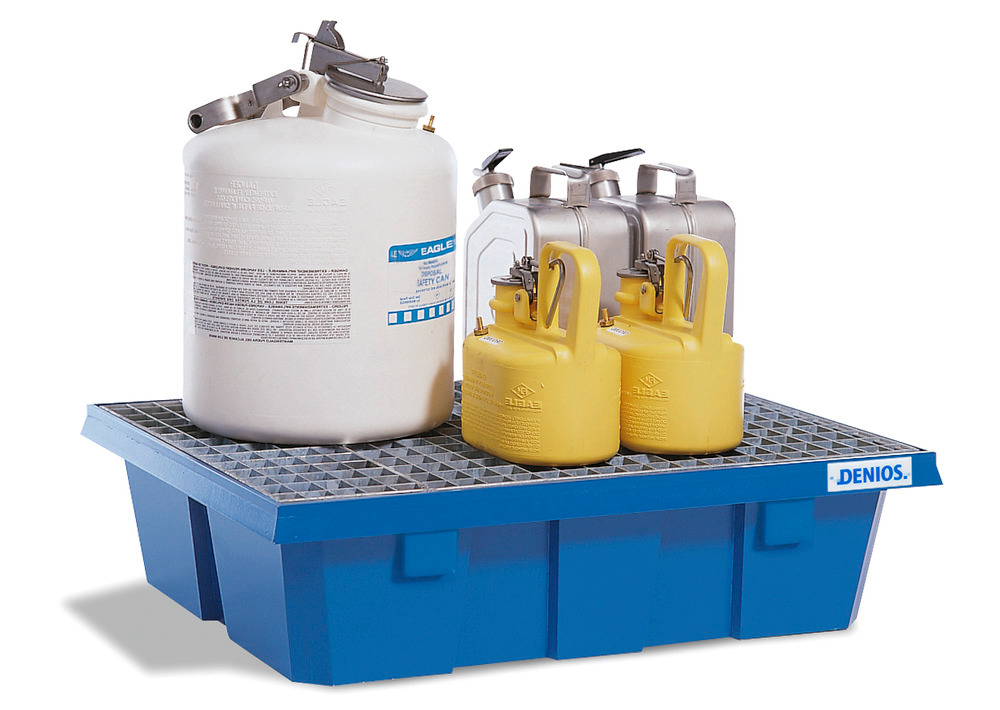
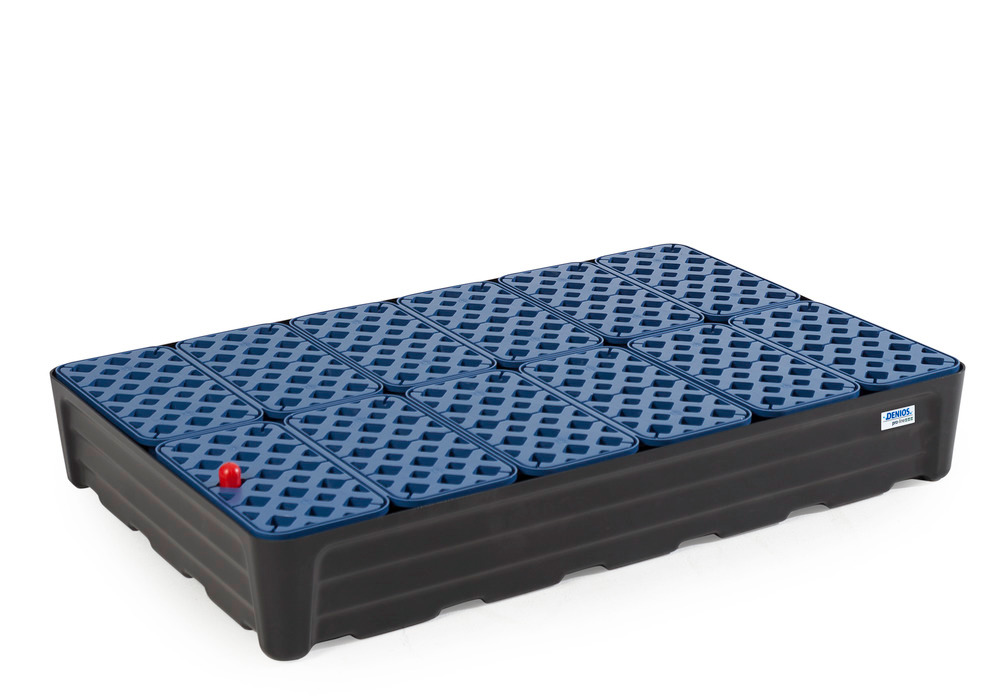
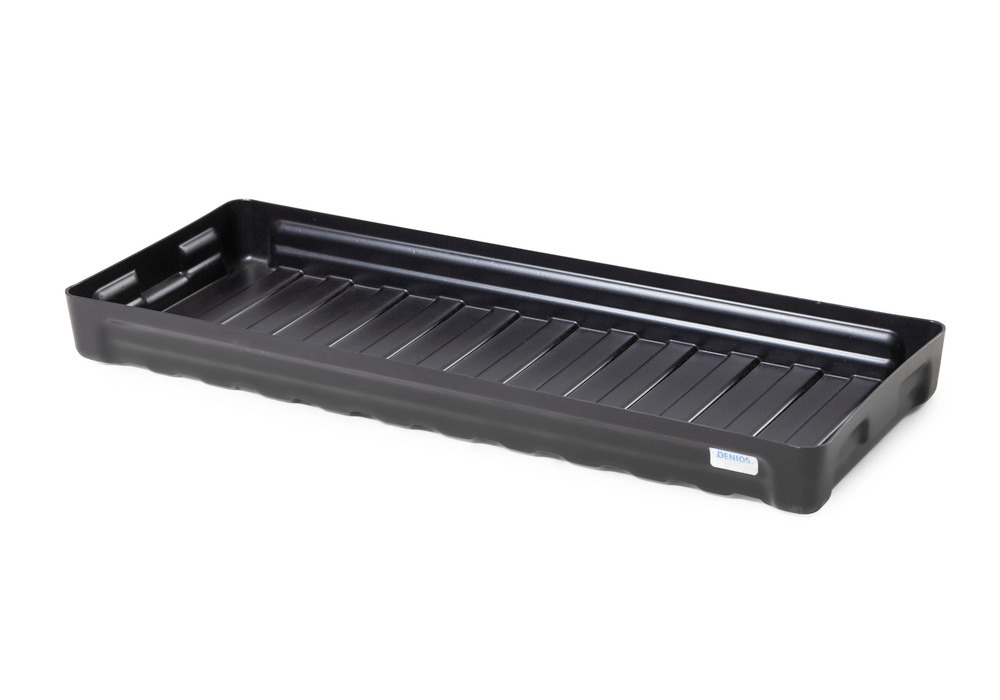
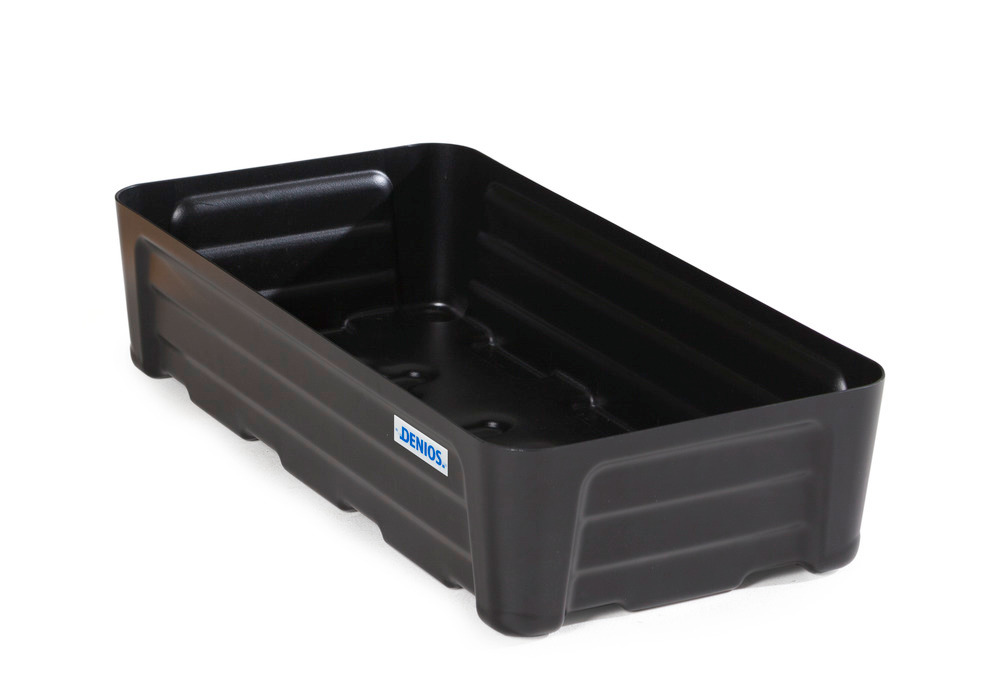
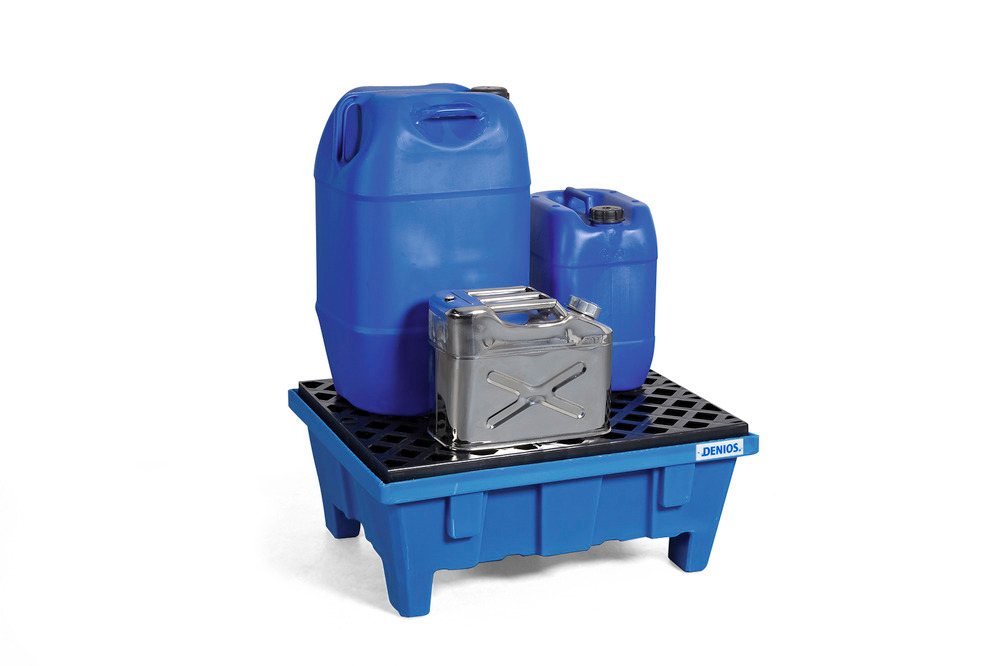
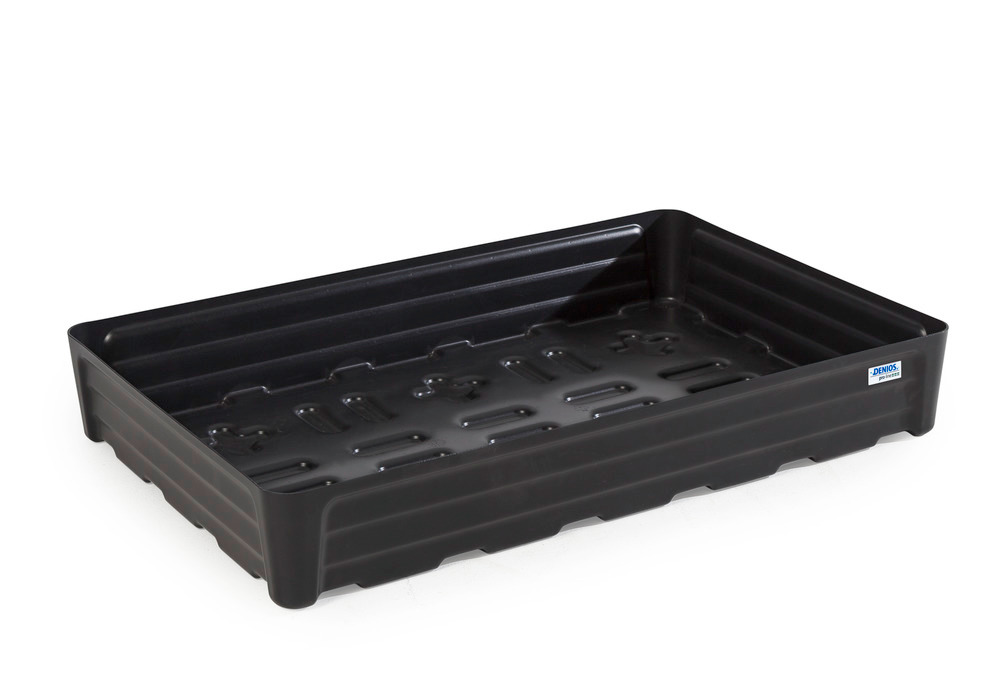
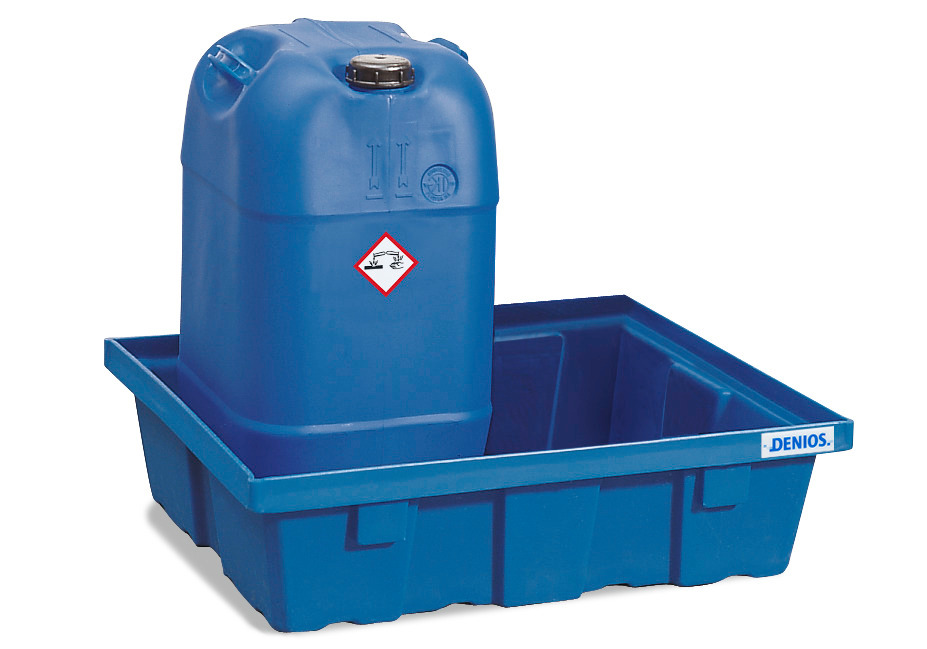
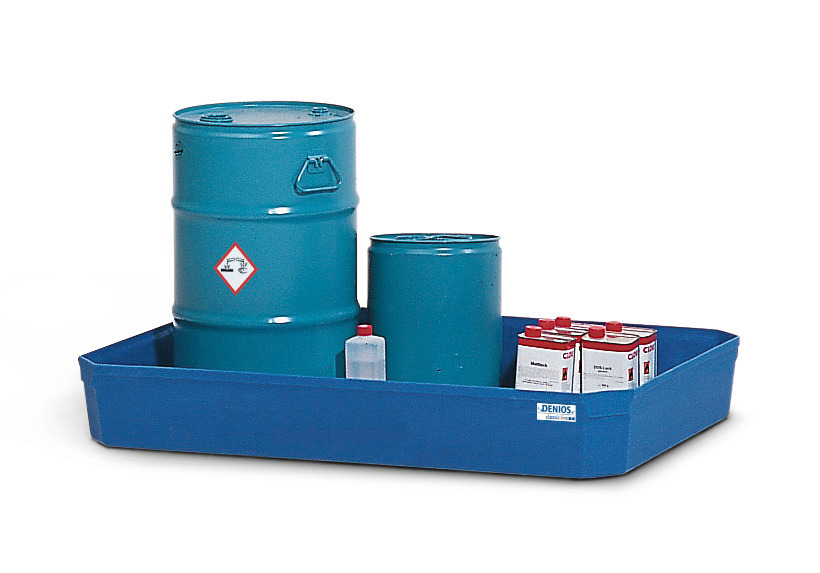
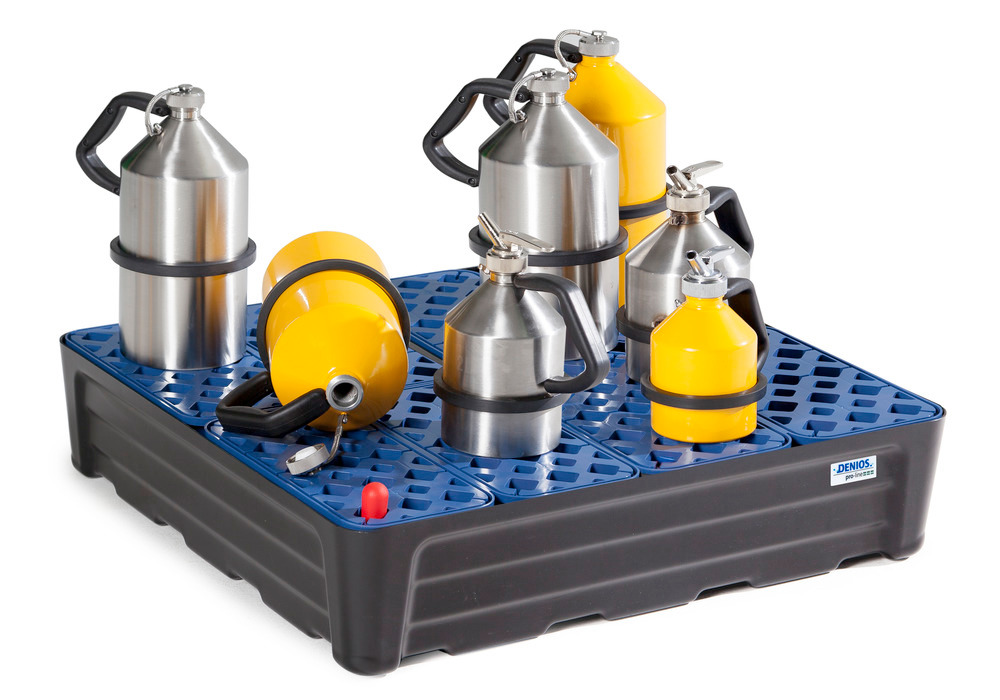
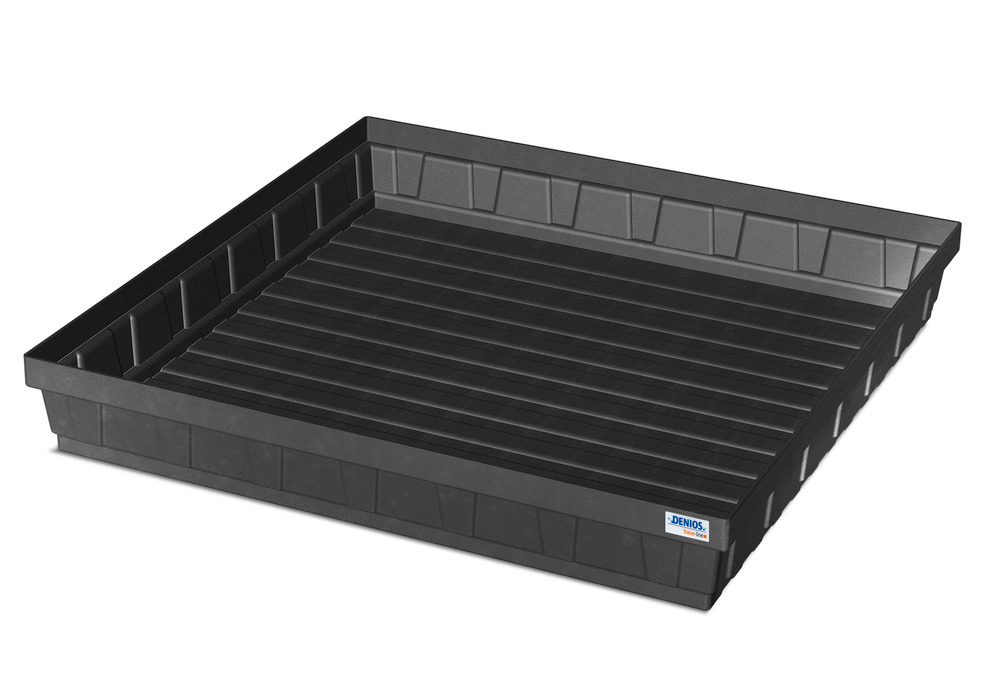
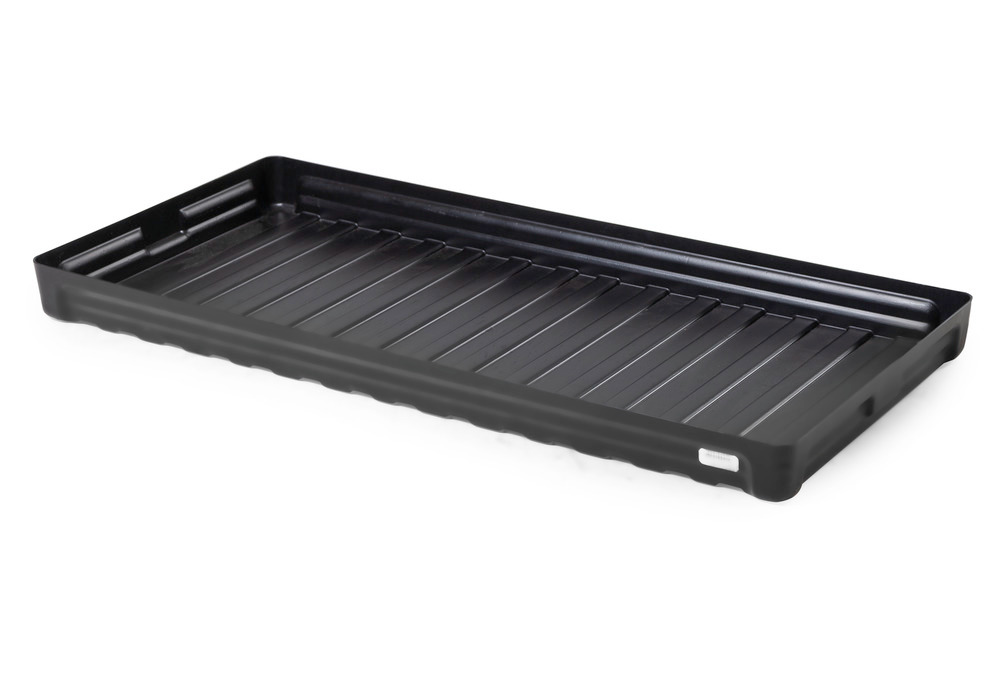
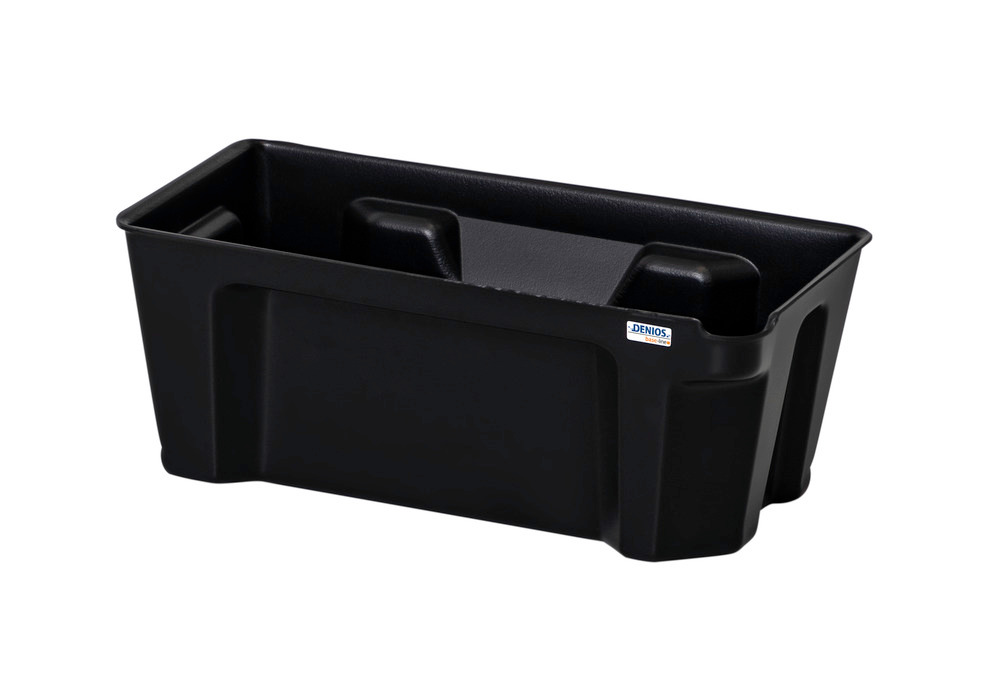
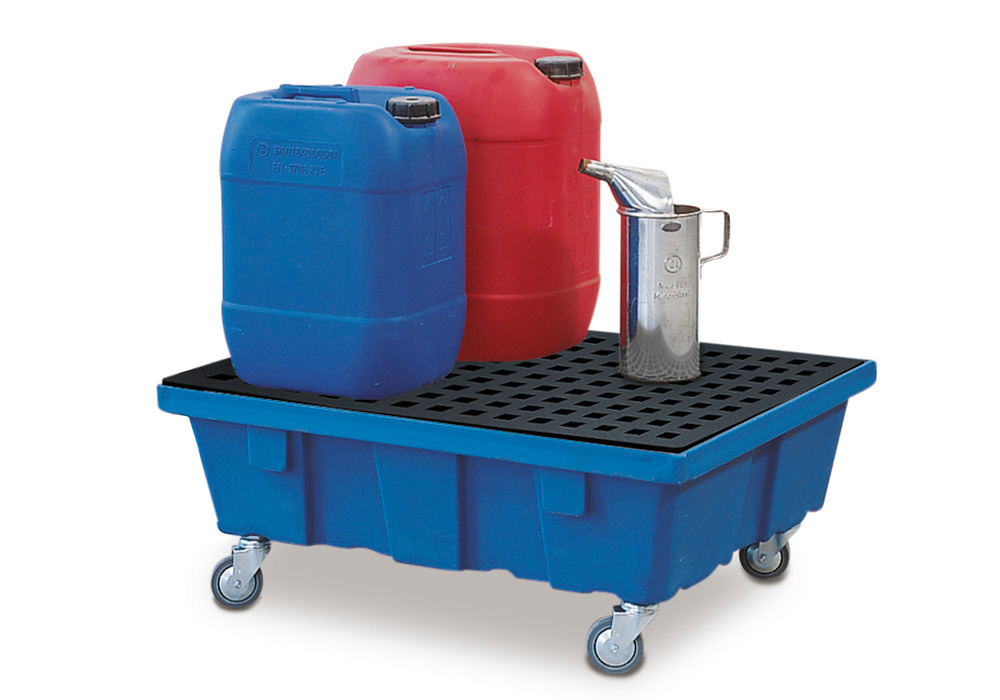
(37 Article)Plastic spill trays for small containers can be arranged in various combinations on a pallet for efficient use of space. They are designed for storing or transporting small containers, but can also be loaded with drums or canisters. The containment volume of the spill trays for small containers varies from 7 litres to 180 litres. For ease of access and improved maneuverability, some spill trays for small containers can be accessed underneath or are on wheels. In addition, they can be equipped with a plastic grid or a galvanised grid.
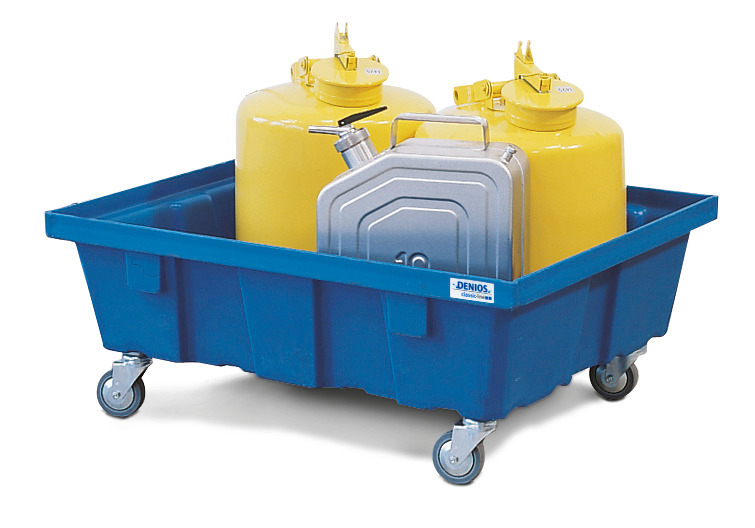
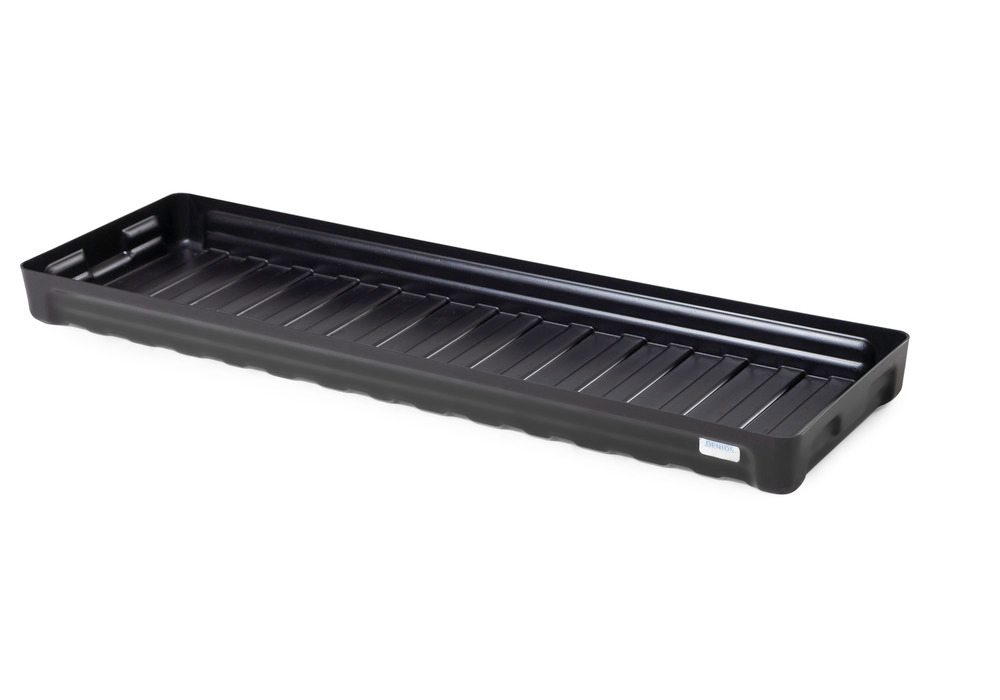
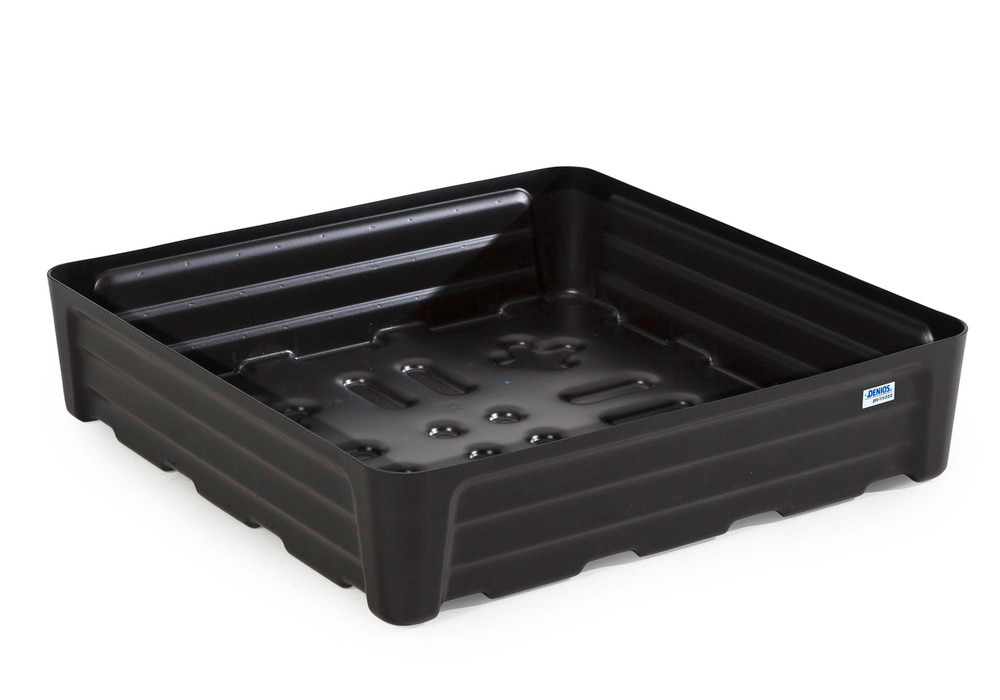
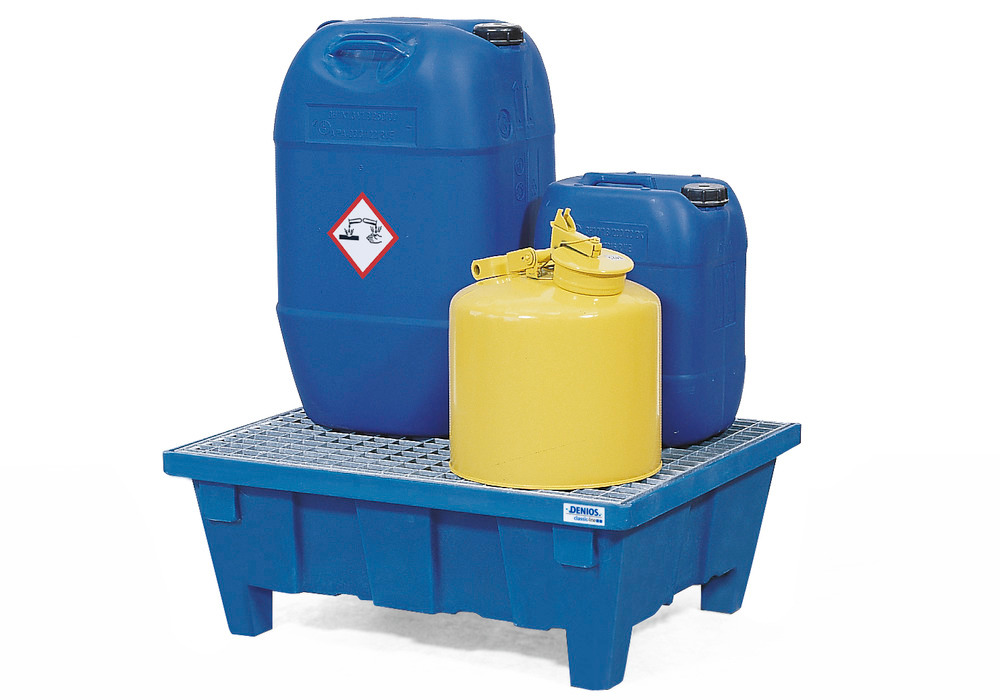
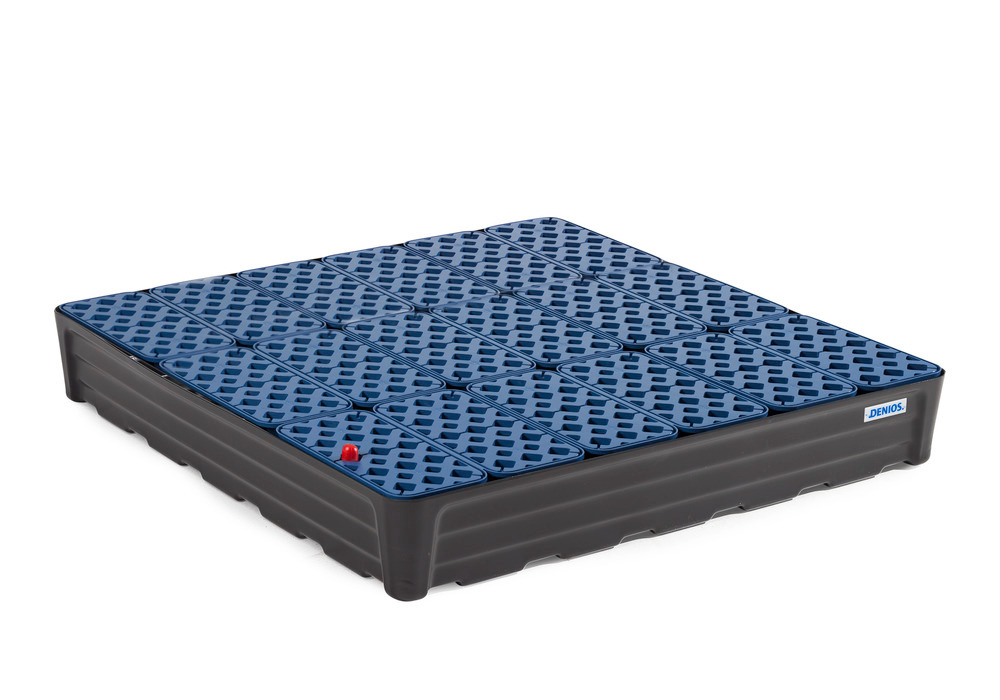
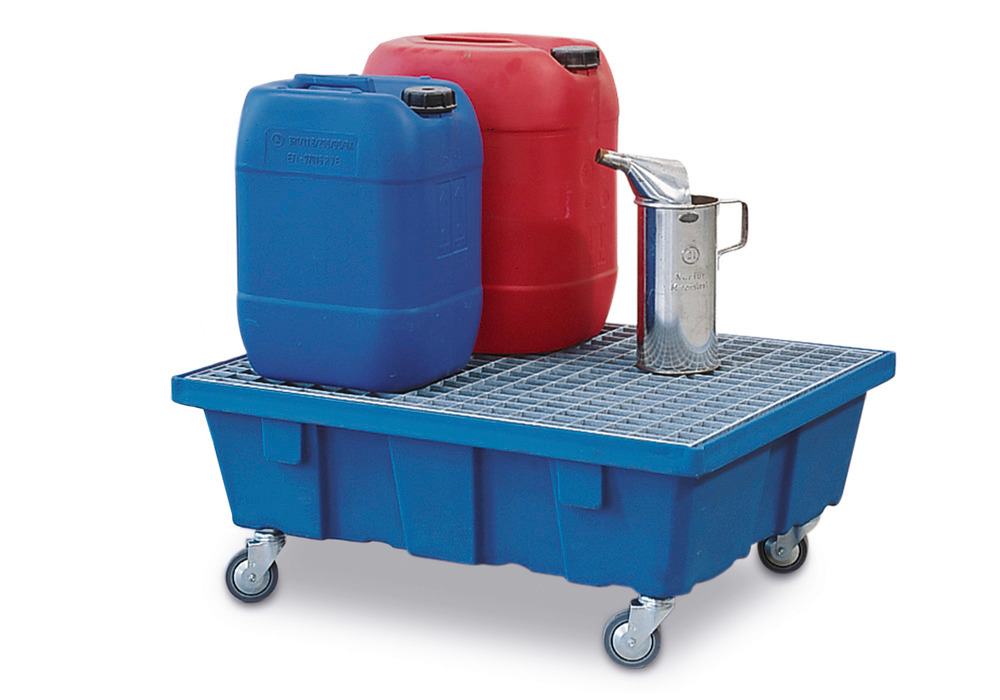
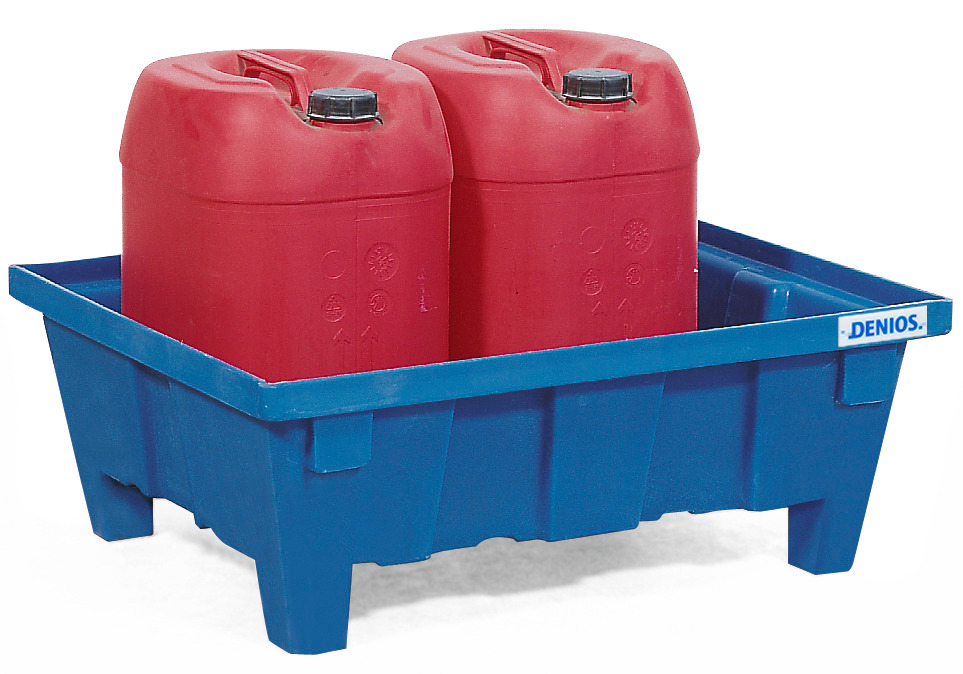
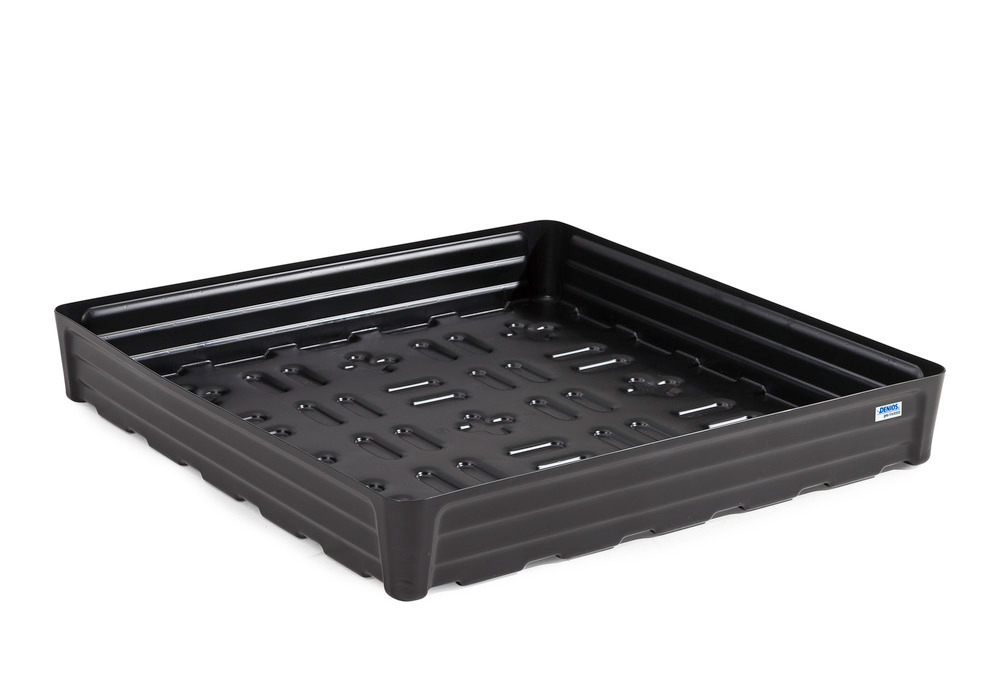
28 from 37 products shown

Plastic spill trays for small containers from DENIOS
Plastic spill trays are suitable for both the storage and transport of small containers, drums and canisters. Some models can be driven under or are equipped with wheels to increase mobility. These PE (polyethylene) tubs are versatile and offer numerous advantages, including flexibility in handling, space-saving storage and easy transportability, whereby the selection of the right tub depends on the specific requirements of the business.

Where are PE spill trays used?
Aggressive media require special protection. Our spill trays are made of environmentally friendly polyethylene (PE) and are characterised by their particularly high resistance to alkalis and acids. They are ideal for use in laboratories or for storing and transporting swimming pool chemicals, for example.
Plastic spill trays are suitable for the following media, for example:
- Ammonia water
- Benzoic acid
- Chloroacetic acid
- Glycerine
- Potassium chloride
- Magnesium sulphate
- Sodium hydroxide
- Sulphuric acid
You can find a detailed resistance list in our guide ‘4 steps to the right spill pallet’.

Which plastic spill tray is right for my business?
If smaller containers and cans rather than drums are to be stored safely, small plastic spill trays are used. However, small plastic spill trays are not just a smaller version of the standard spill pallets. In our range, you will find a large selection of different spill trays that are perfectly tailored to their respective area of application.
With collection volumes of 7 to 180 litres, individual or several small containers can be stored together as required. The containers are either placed directly in the tray or on a grating. The gratings are available in polyethylene or galvanised steel. Thanks to the base-line, classic-line and pro-line differentiation, we will have a spill tray to suit your requirements.
Thanks to their compact shape, small spill trays can not only be used for storage, but also facilitate transport. Several trays can be easily combined and transported on Euro pallets. If the focus is on transporting the containers, drip trays can be directly replaced by transport trolleys or mobile work tables with an integrated tray. Alternatively, a small container tray that can be driven underneath can be selected, which is optimised for transport with a forklift truck.
Also discover our small steel spill trays and small stainless steel spill trays!

What are the advantages of plastic spill trays?
- Designed for small containers
- Space saving and compact
- Utilisation directly at the workplace
- High quality and durable
- Accessible underneath
- On wheels
- Flexible storage
- Wide range of combination options

For which containers are plastic spill trays suitable?
Related Content
- View your order history
- Save shopping list and basket
- Save preferred payment method for future orders
Give us a call or fill out the form and we will get back to you as soon as possible.
Calls are handled by our UK team. All sales are processed via our German parent company so are VAT* / tariff free where applicable. *Must be fully IE VAT registered