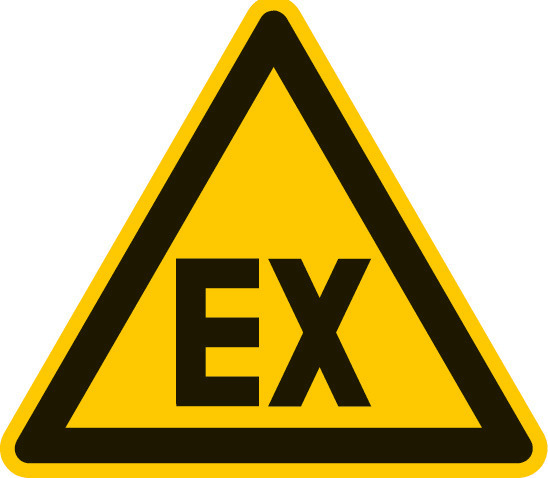
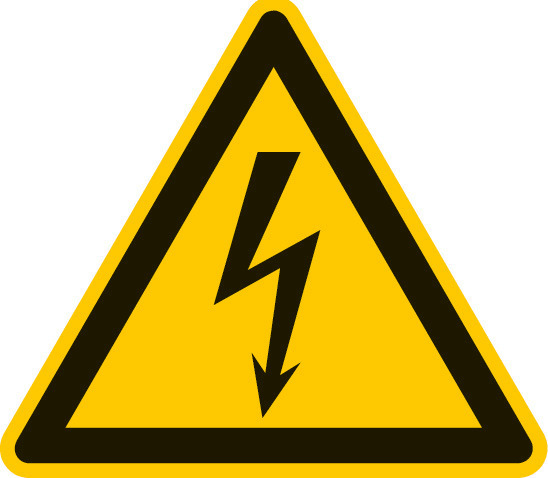
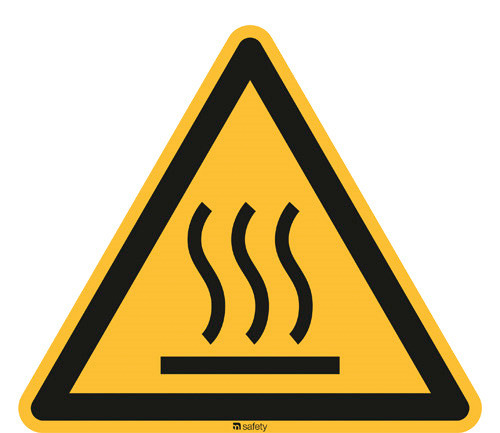
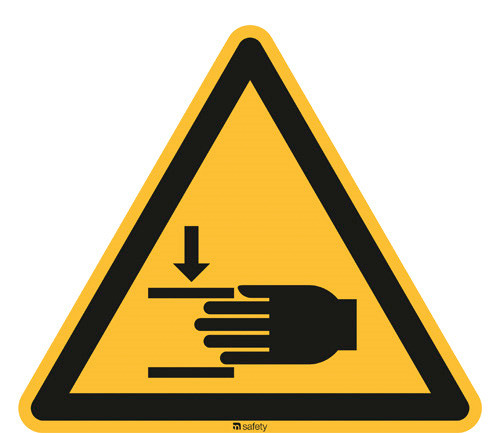
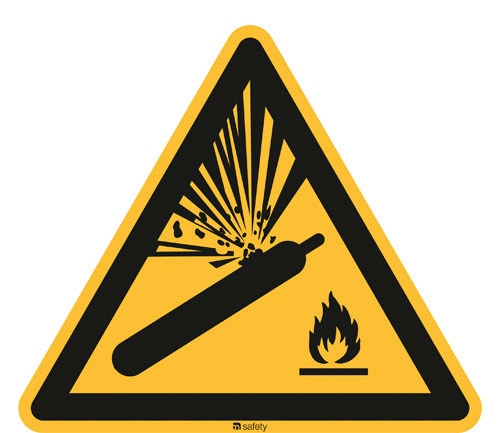
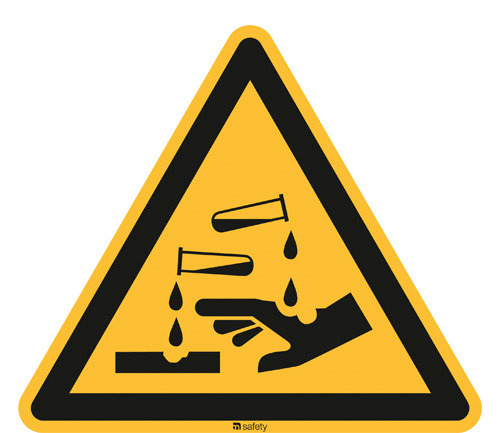
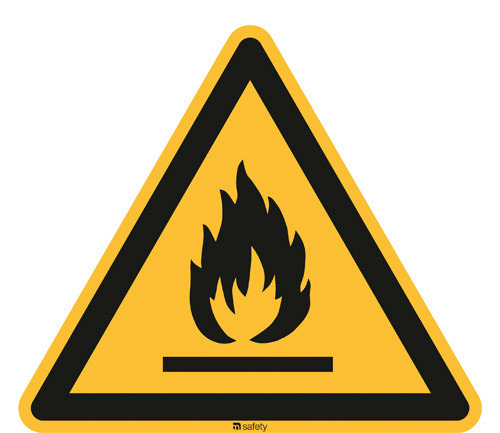
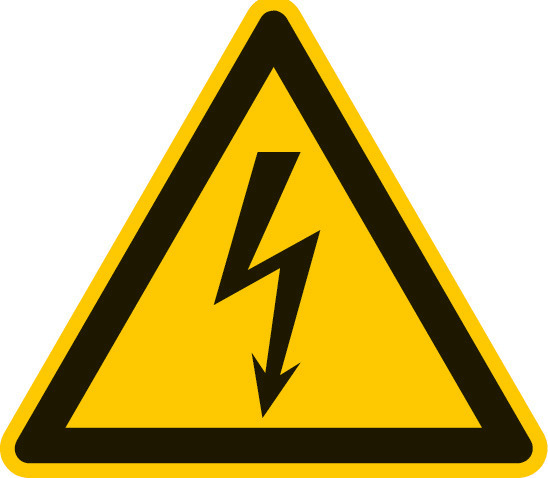
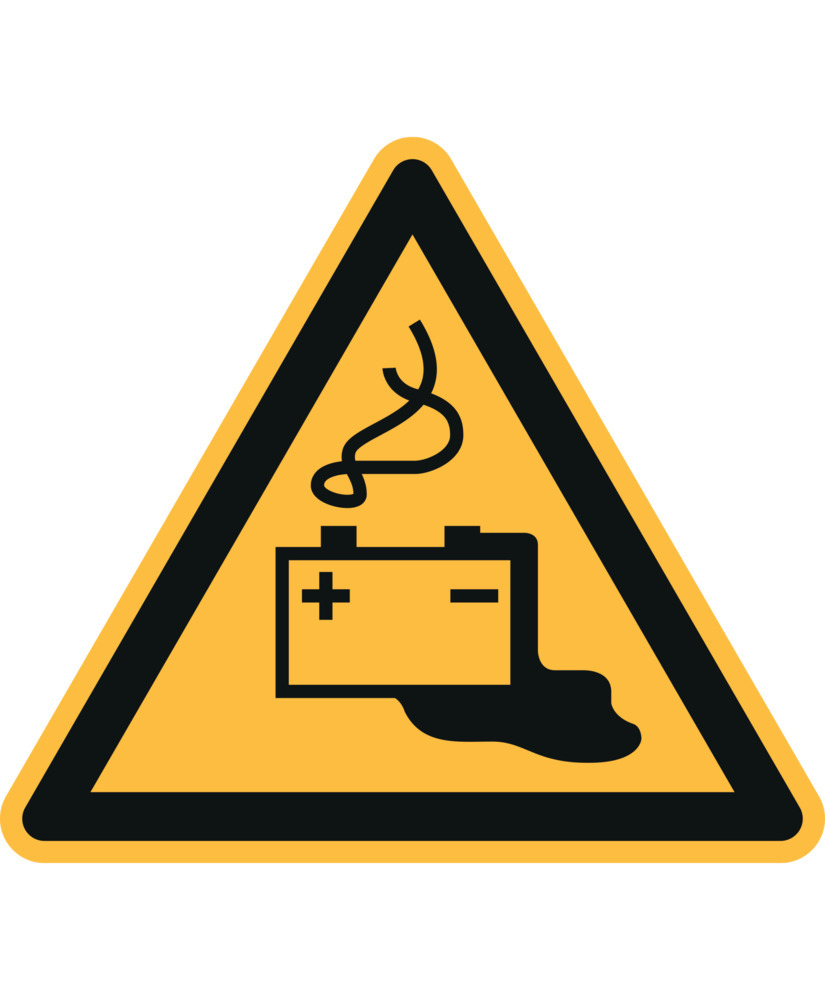
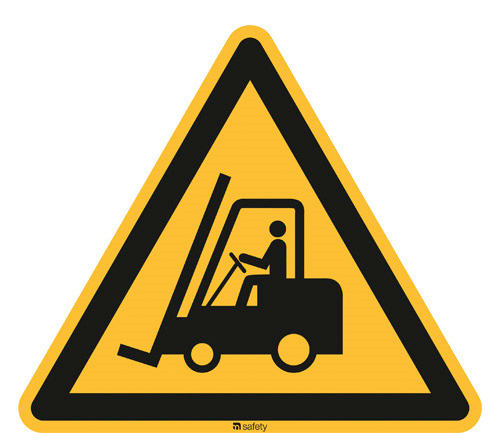
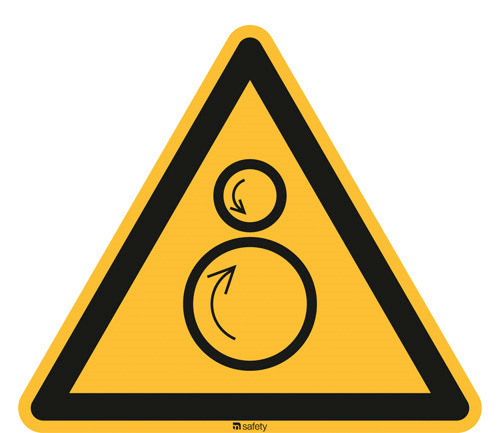
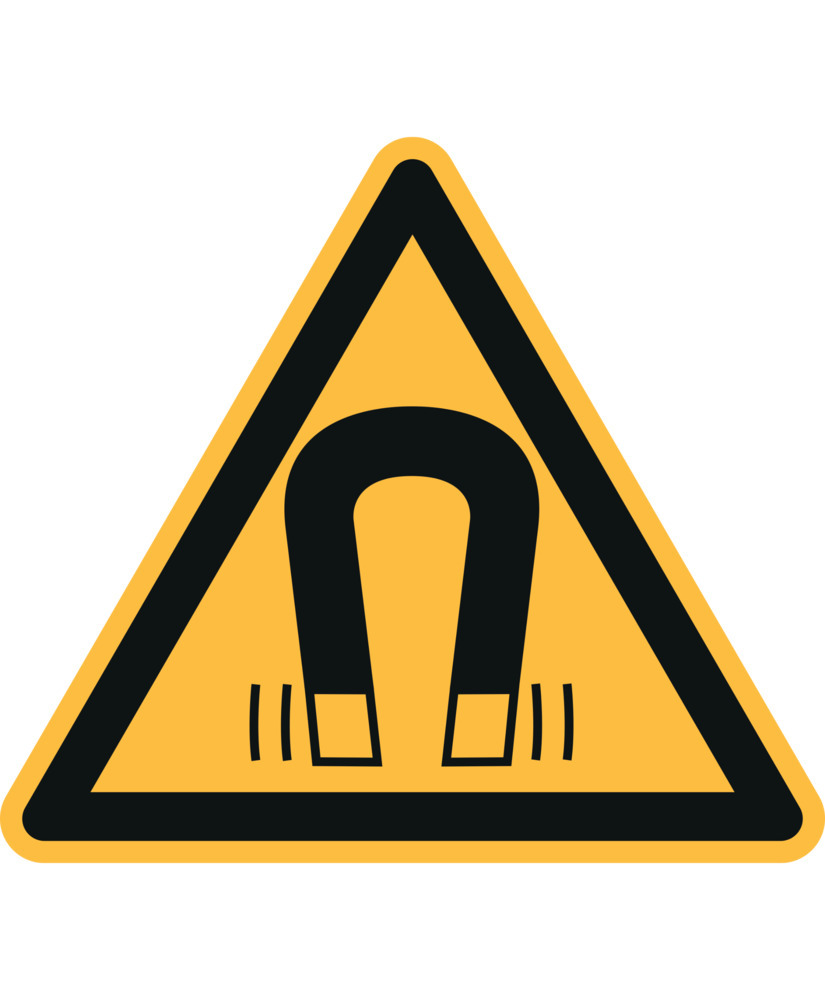
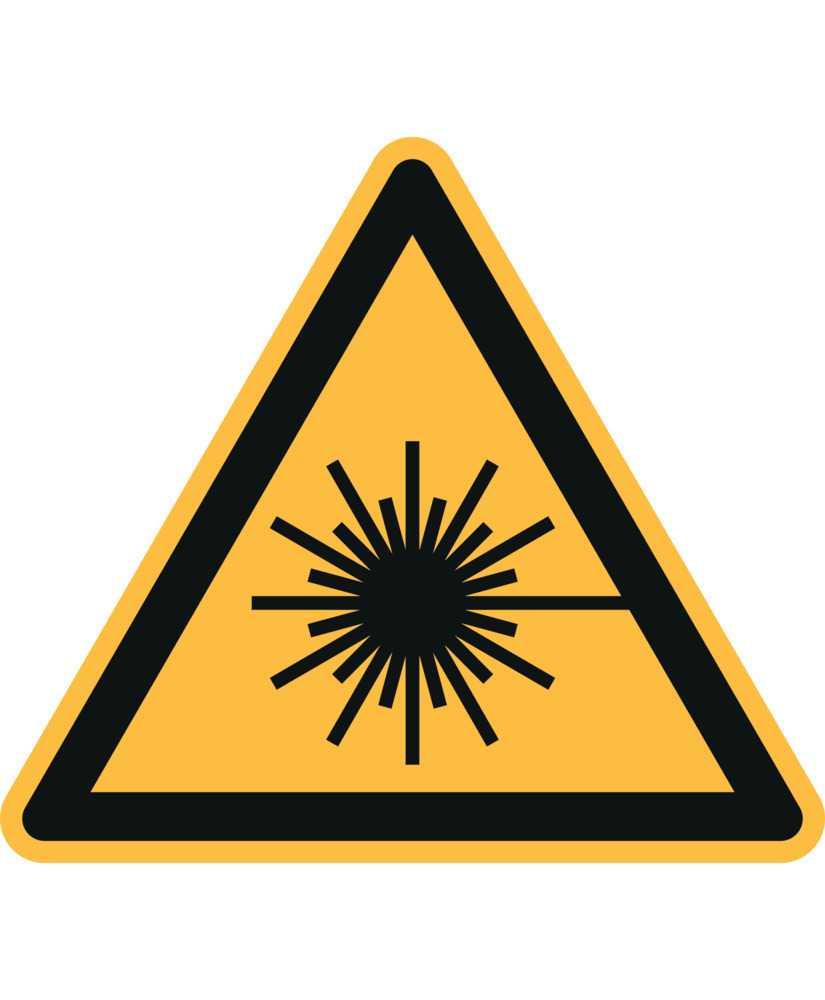
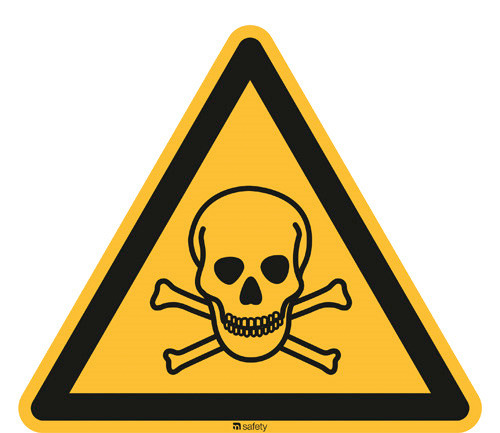
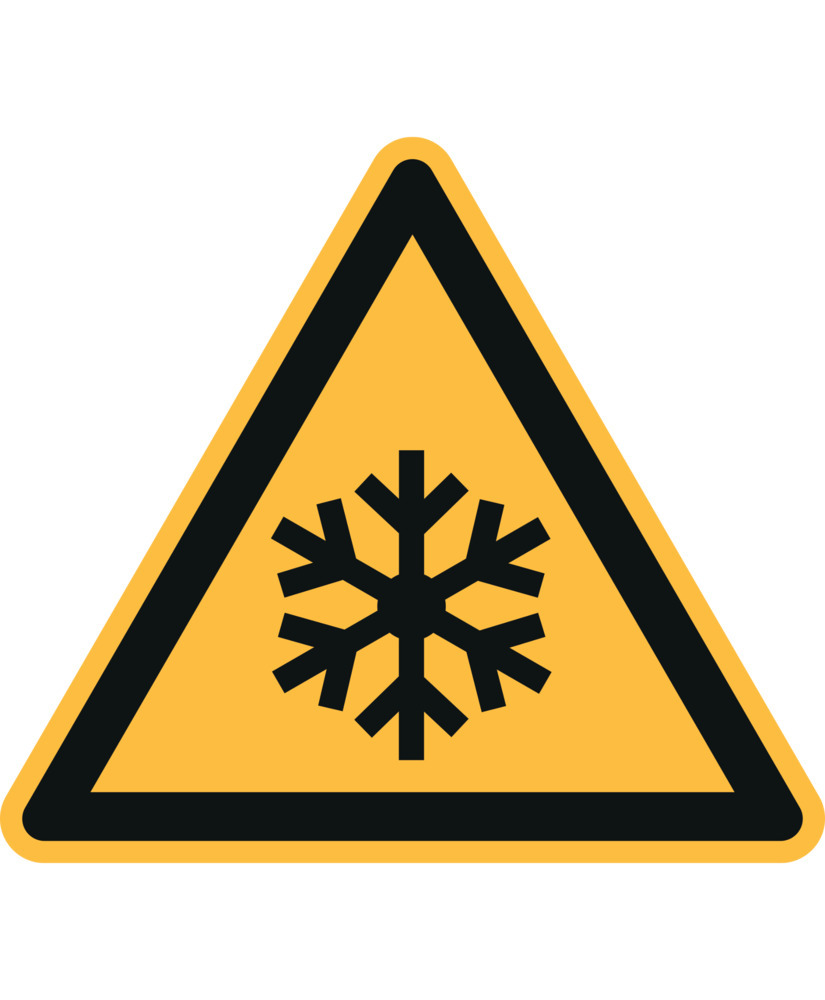
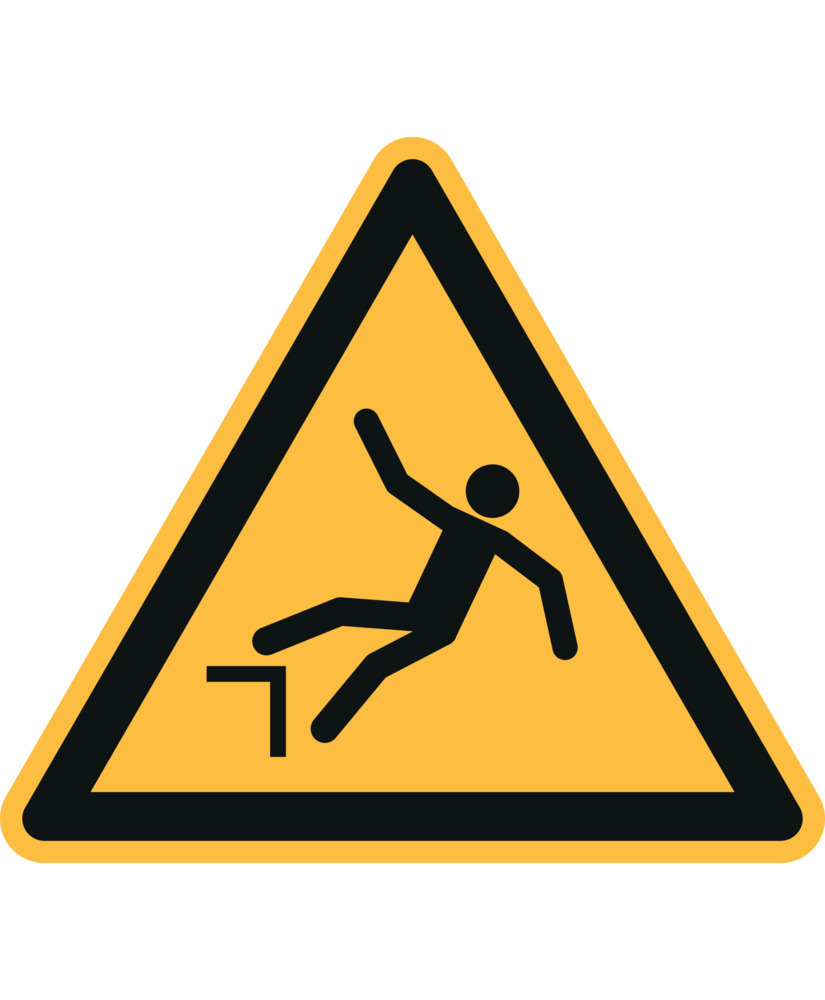
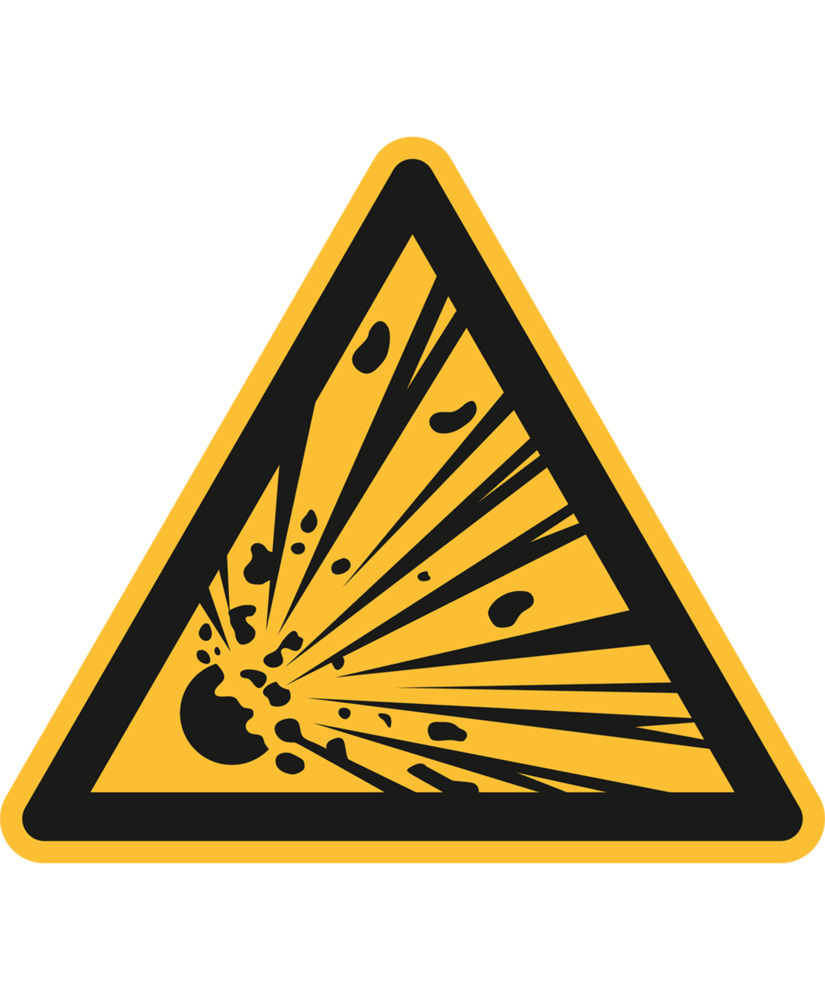
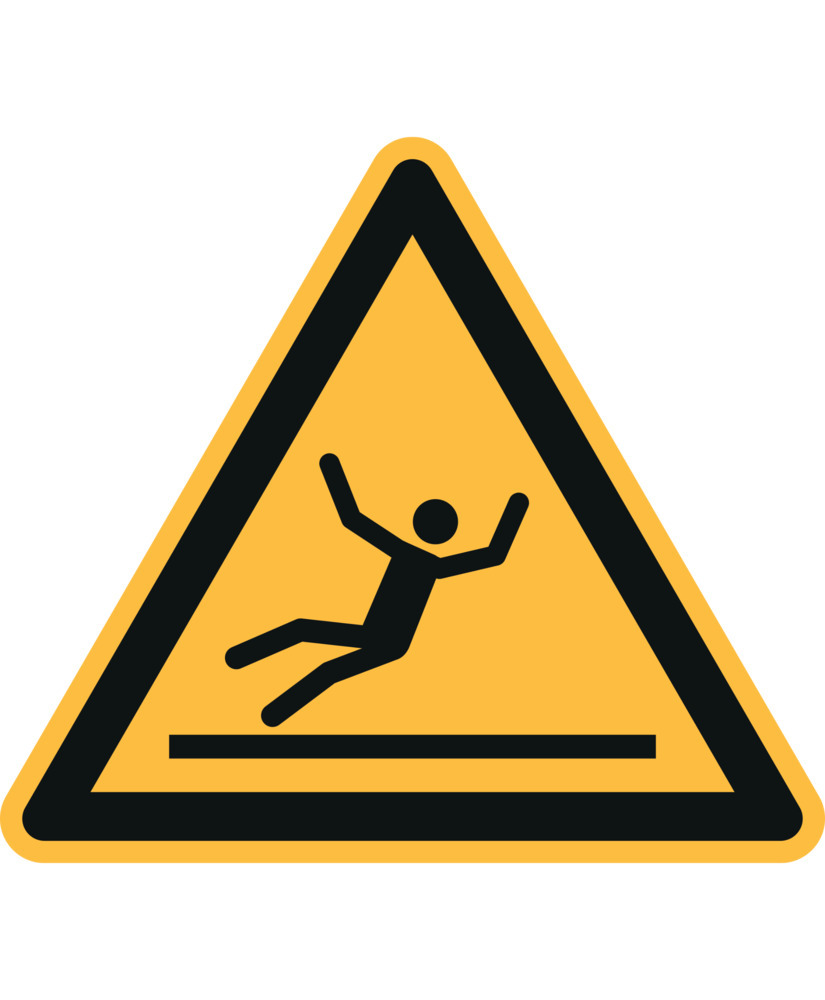
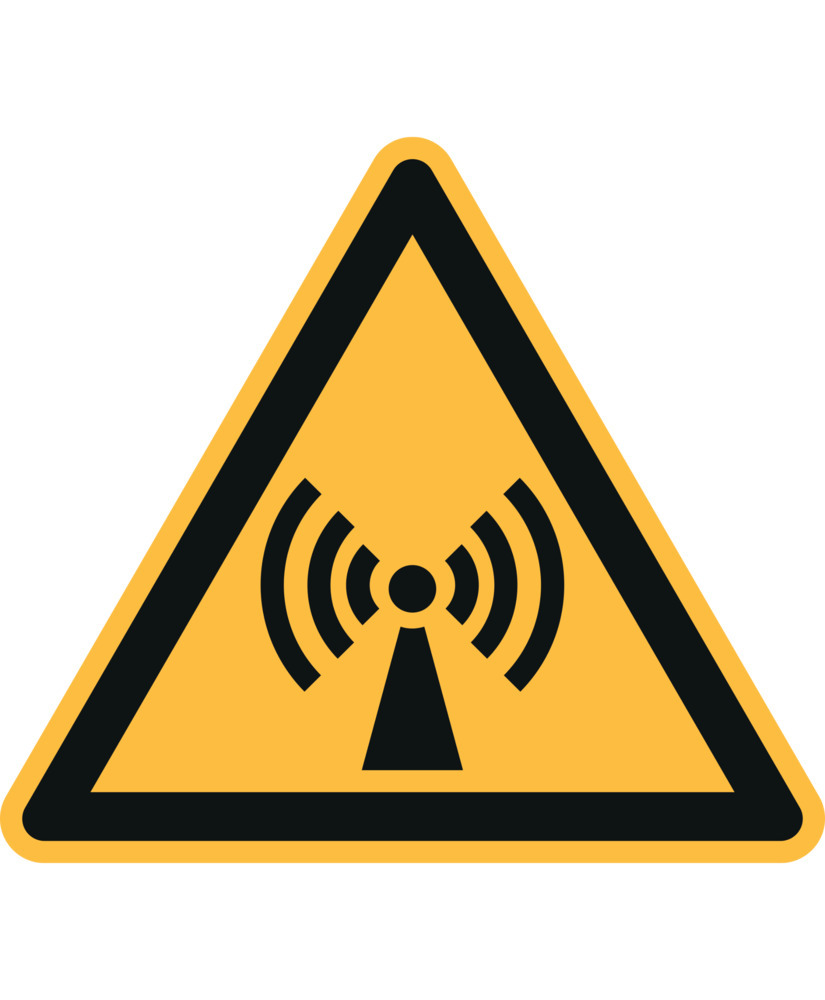
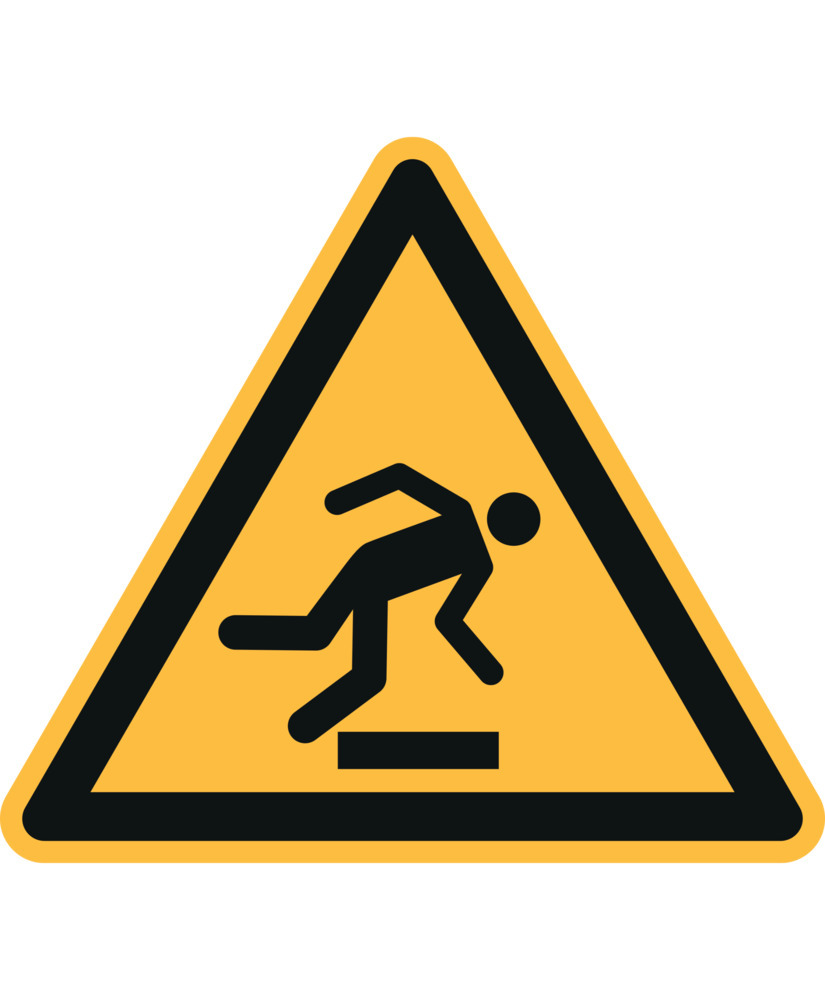
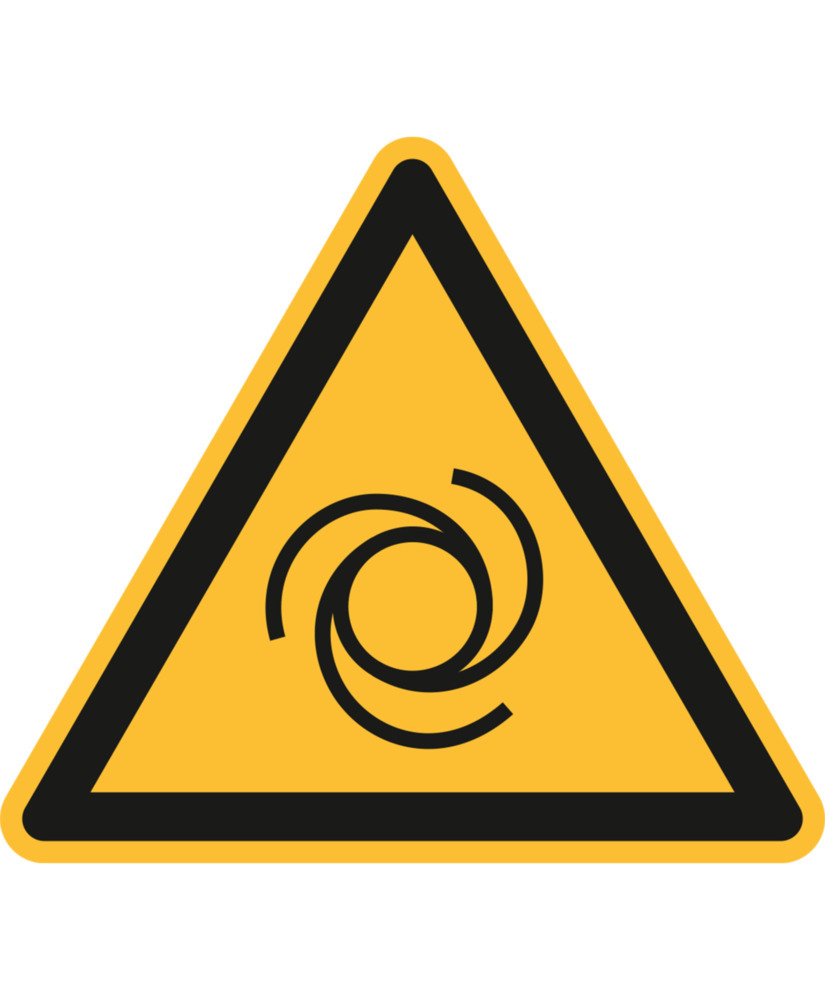
Warning signs
(32 Article in 110 versions)Clear, compliant signage that helps people understand where they’re standing, and what they need to watch for - across factories, labs, workshops, and any corners of a workplace where risks like to hide.
28 from 32 products shown
Hazard Signs from DENIOS
A good hazard sign does a quiet job, but an important one. It catches your eye just long enough to make sure you pay attention. That moment matters. And that’s exactly what DENIOS signs are designed for.
Every sign meets ISO 7010 and HSE requirements, so you’re never guessing whether you’ve used the right pictogram or complied with the latest rules. They’re built for daily wear and tear: forklifts passing close by, the occasional knock, sunlight, cleaning routines, the usual chaos of any busy site. Indoors or outdoors, they keep doing their job.
DENIOS doesn’t only produce signs, we engineer full safety systems, so signage naturally fits into the wider picture of compliant storage, spill response, environmental protection, and the practical know-how that comes from 30 years of dealing with real hazards, not theoretical ones.
Choosing the Right Warning Sign
Choosing a warning sign shouldn’t feel like a puzzle. Still, a few small choices can change how well a sign works. It’s less about the sign itself and more about the conditions you’re placing it in.
A quick, straightforward guide:
Identify the actual risk: chemical splash, electrical hazard, slip zone - name it clearly.
Use the right pictogram: ISO 7010 symbols are there so everyone recognises them fast.
Match the material to the job: an office wall doesn’t need what a chemical loading bay needs.
Place it where people look: eye level, unobstructed, and not tucked behind a door that’s always propped open.
If you ever want the longer version (with real workplace examples) our Magazine guide covers the whole process.
Which Material Works Best Here?
Choosing materials can feel a bit like choosing the right coat for the weather. You could use the heavy-duty one everywhere, but you don’t need to. Some environments demand more protection than others.
Here’s how the main materials generally behave:
| Material | Description | Ideal Environment |
|---|---|---|
| Aluminium | Rigid, weather-resistant | Outdoors, industrial areas |
| Self-adhesive Foil | Lightweight, simple to apply | Smooth indoor surfaces |
| Rigid PVC (Plastic) | Durable and economical | Warehouses, workshops |
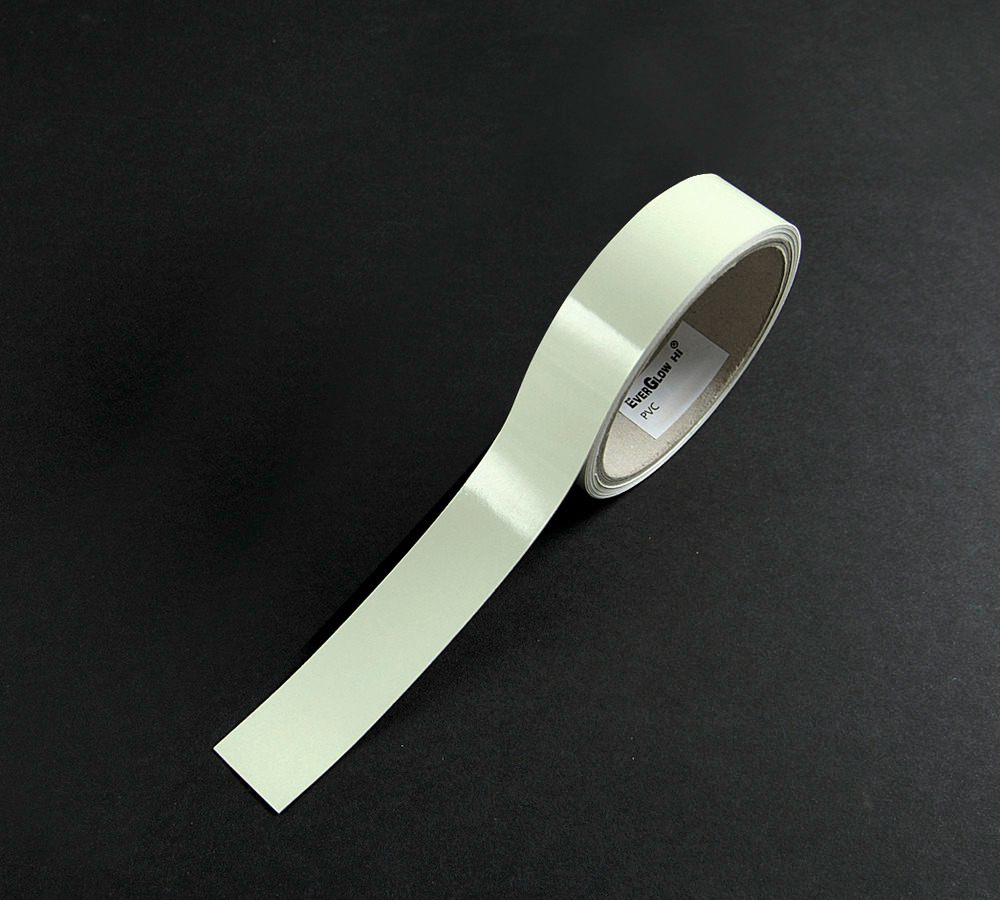
| Photoluminescent | Glows during power loss | Escape routes, tunnels, basements |
All DENIOS signs use UV-resistant inks and are tested for fade resistance and chemical exposure. In short, they’re built to stay readable - which is the whole point.
Installation & Maintenance
A sign’s value comes from people seeing it. If they can’t, it might as well not be there. A few practical habits help signs stay useful:
Mount them at eye level - or at least where people naturally look.
Spend five minutes once a year checking for fading, cracks, or stains.
Clean with mild detergent - harsh solvents can leave the sign looking cloudy.
Replace damaged signs quickly - a cracked warning sign sends the wrong message.
If you’d like more detail, our Magazine article walks through installation scenarios and common mistakes.
Why Choose DENIOS?
Honestly, signage might seem simple, but it plays a huge role in how safe a site feels, and how compliant it actually is. That’s why DENIOS builds signs with the same mindset we apply to our storage cabinets and spill systems: clear, consistent, trustworthy.
You’ll find:
Full compliance with ISO 7010 and HSE guidance
Multiple material options for different environments
Industrial durability across weather, chemicals, and heavy foot traffic
Specialist advice if you’d like help choosing the right signs
Bulk orders or complex layouts? Give us a call and we’ll help you sort it out without the usual back-and-forth.
Frequently asked questions
We offer aluminium, rigid PVC, self-adhesive foil, and photoluminescent versions. Foil and PVC suit most indoor settings. Aluminium and photoluminescent signs handle tougher environments (outdoors, near chemicals, or in high-traffic zones) where durability matters.
Yes. Every sign uses ISO 7010 pictograms and follows HSE recommendations for workplace signage.
They are as long as you pick the right material. Aluminium and photoluminescent signs resist heat, weathering, UV light, and chemical exposure, making them reliable in harsher conditions.
A5 to A2 as standard, with other measurements available on request.
Self-adhesive signs go straight onto clean surfaces. Rigid signs can be mounted with screws, brackets, or rivets. We sell mounting accessories too if you need them.
Related content
The specialist information on this page has been compiled carefully and to the best of our knowledge and belief. Nevertheless, DENIOS SE cannot assume any warranty or liability of any kind, whether in contract, tort or otherwise, for the topicality, completeness and correctness either towards the reader or towards third parties. The use of the information and content for your own or third party purposes is therefore at your own risk. In any case, please observe the locally and currently applicable legislation.