
Spill Pallets
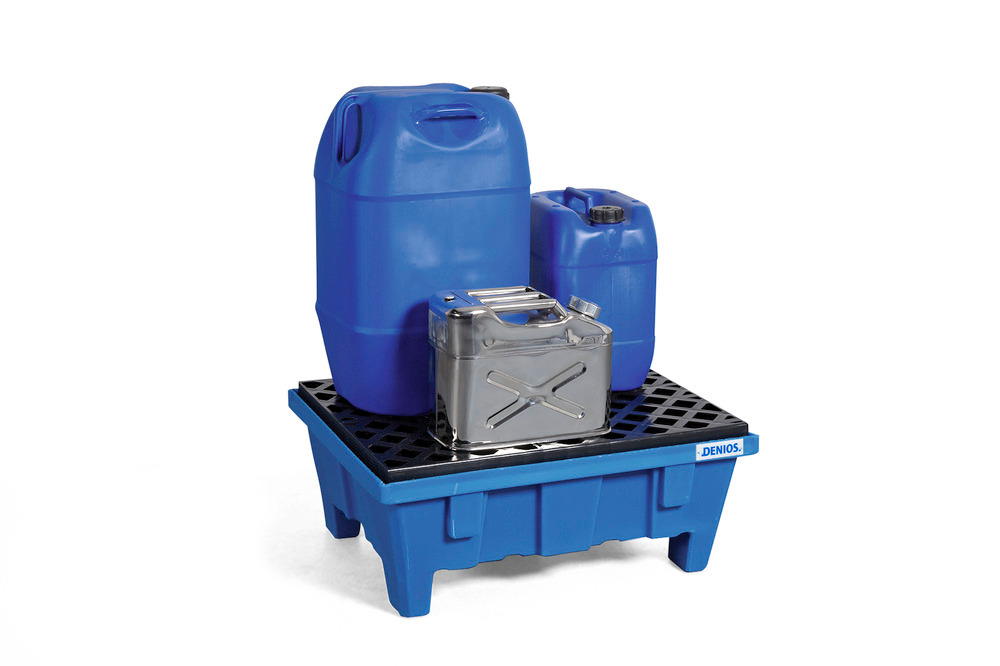
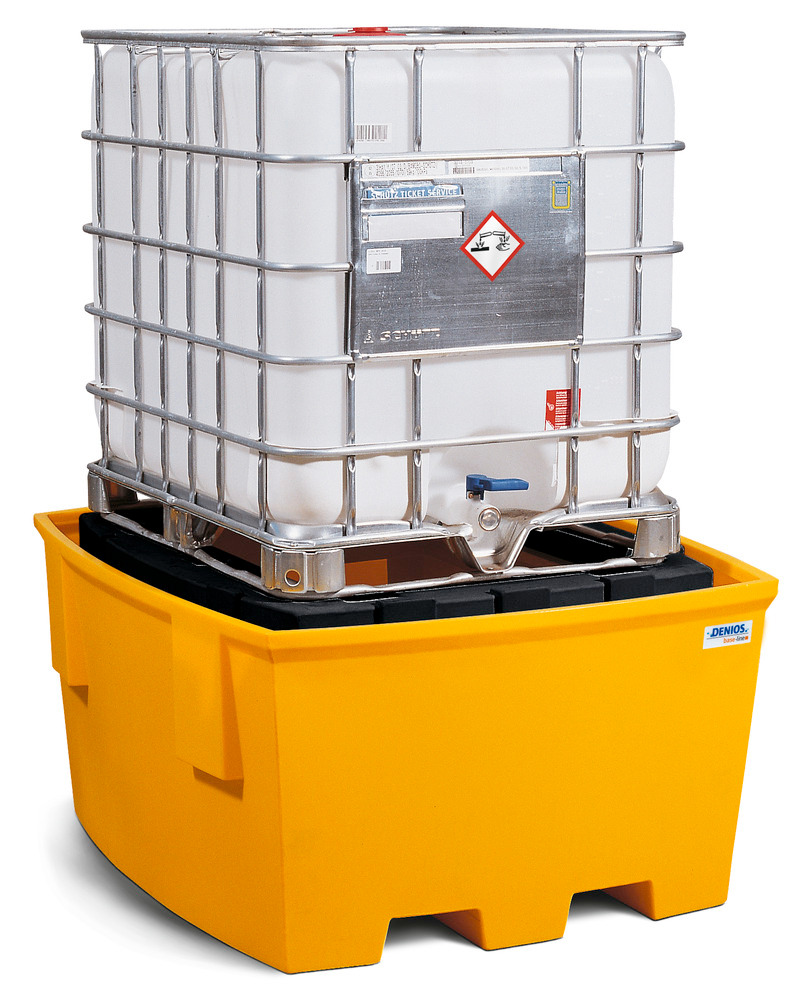
(322 Article in 335 versions)DENIOS spill pallets, bunded pallets, and spill containment pallets are trusted all across the UK, and Europe, for the safe, compliant storage of hazardous materials. Whether you’re storing a few litres of cleaning chemicals, or managing large IBC spill pallets with up to 1,000 litres capacity, you’ll find a solution designed to protect people, property, and the environment.
Every DENIOS spill pallet meets HSE requirements for spill containment and ensures you stay compliant with environmental and safety legislation.
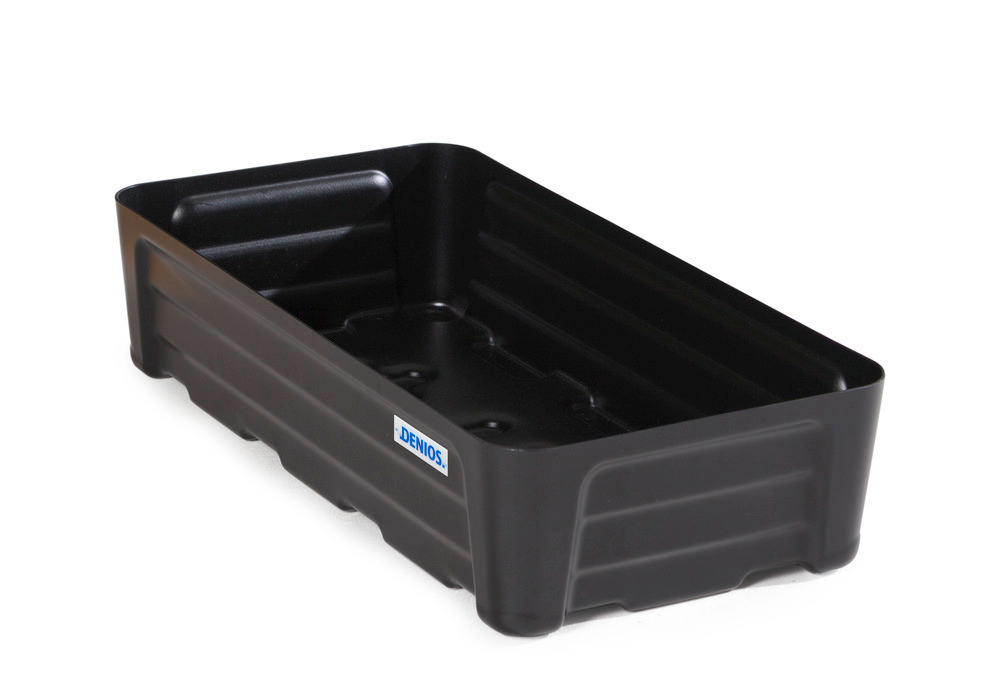
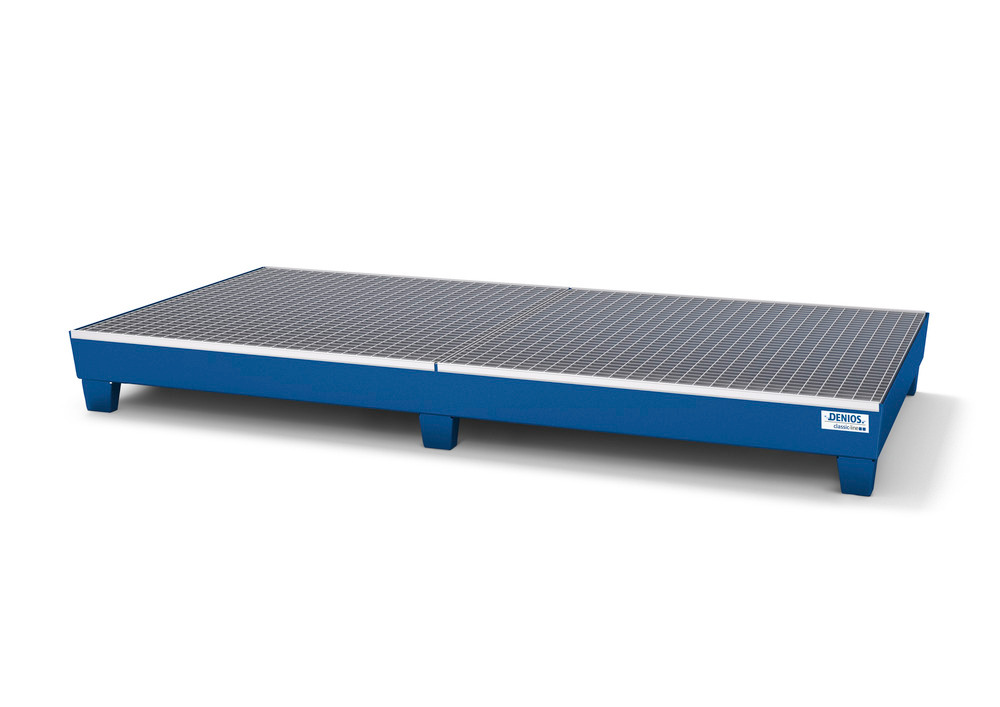
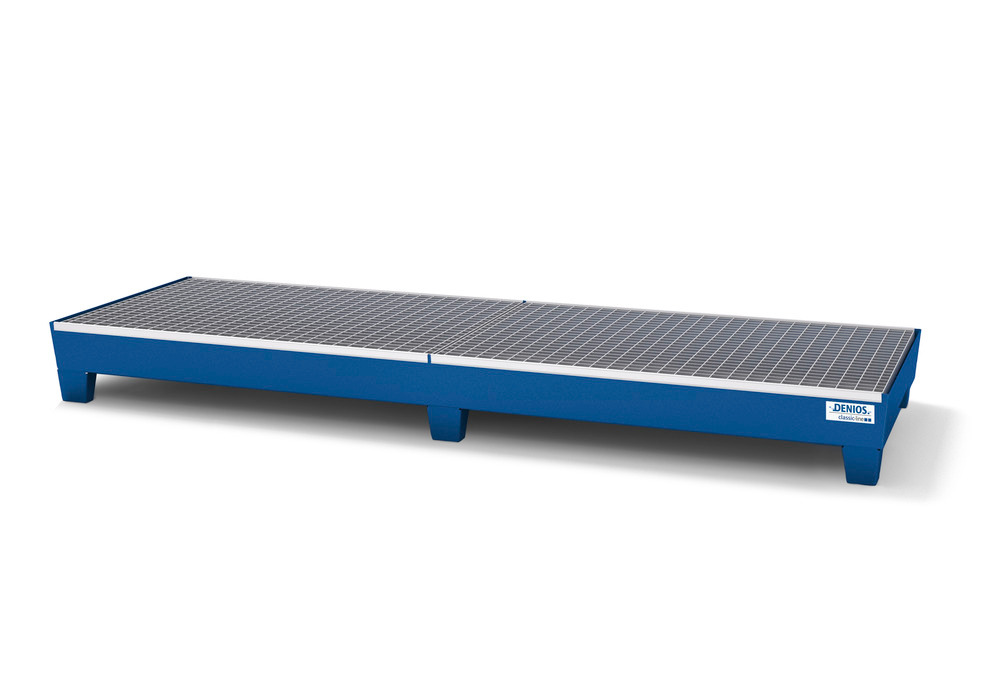
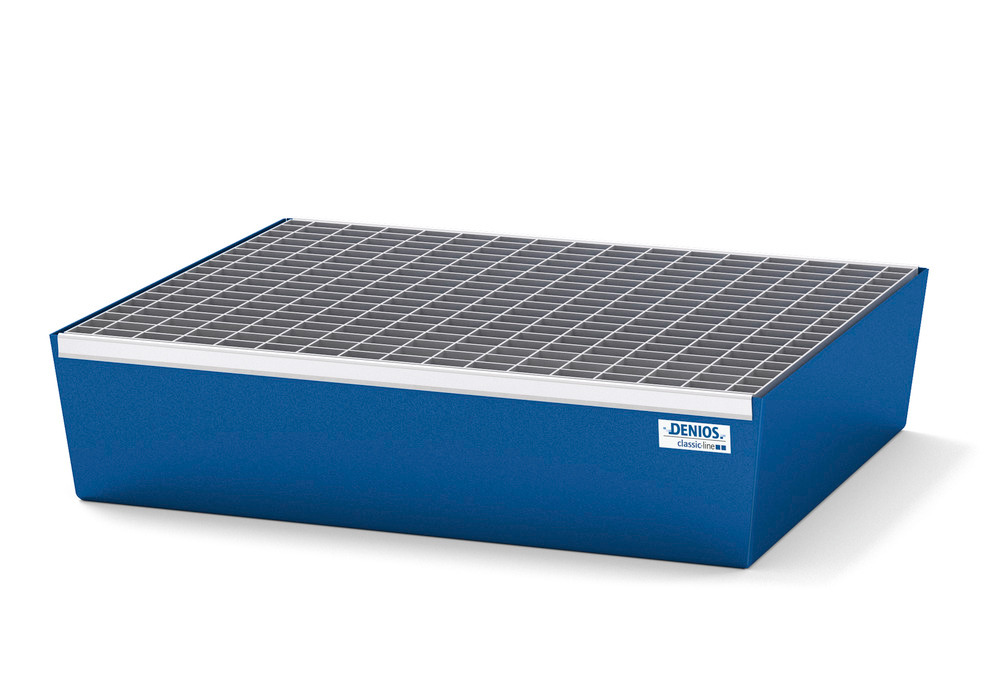
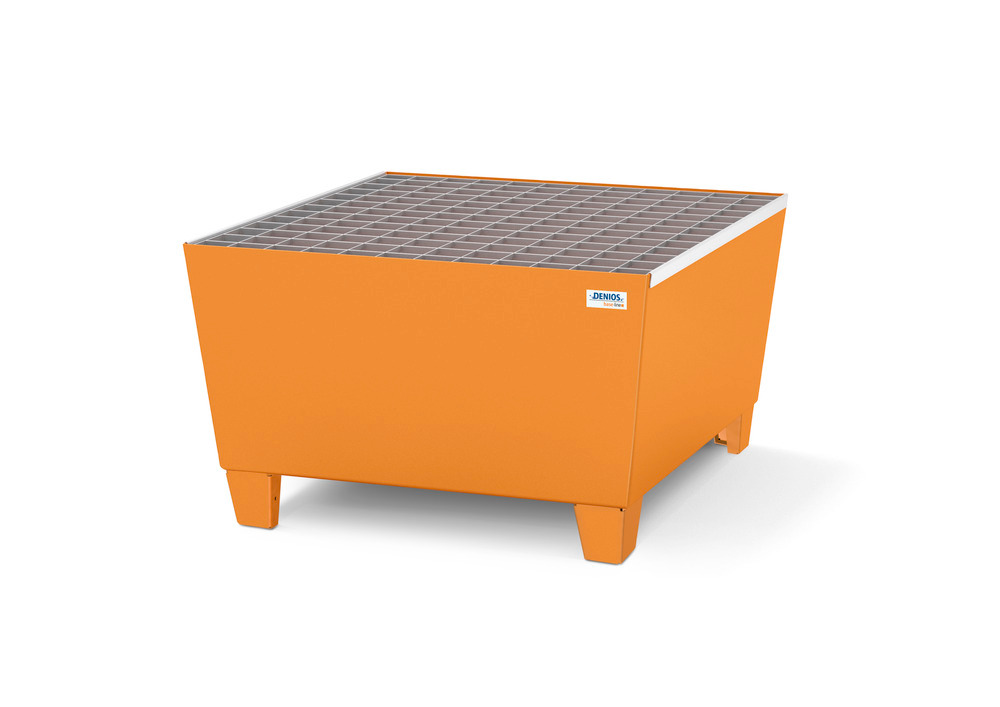
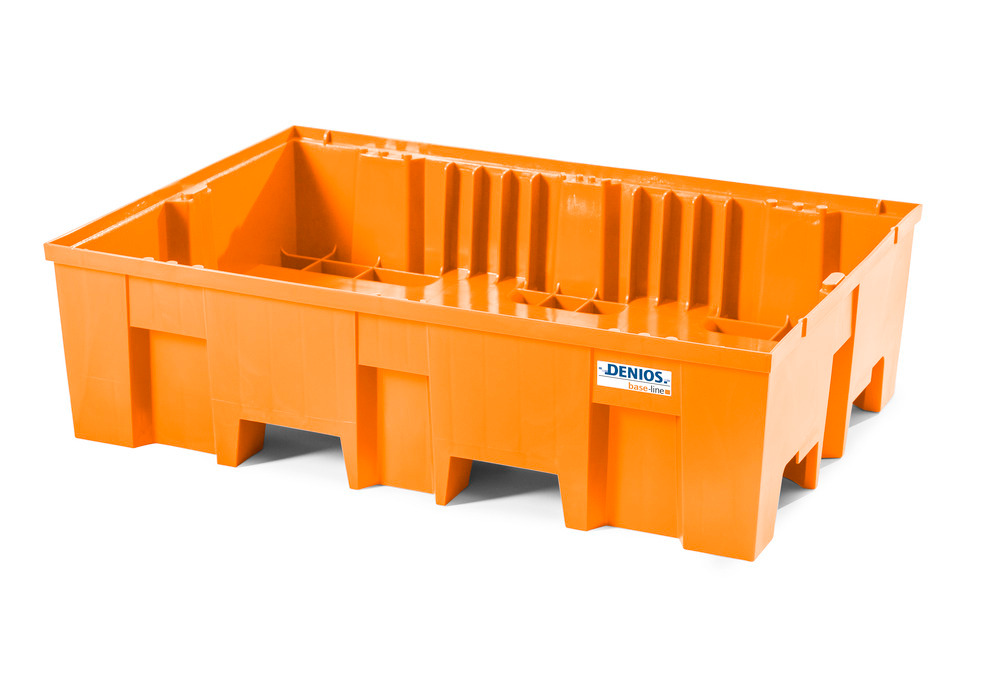
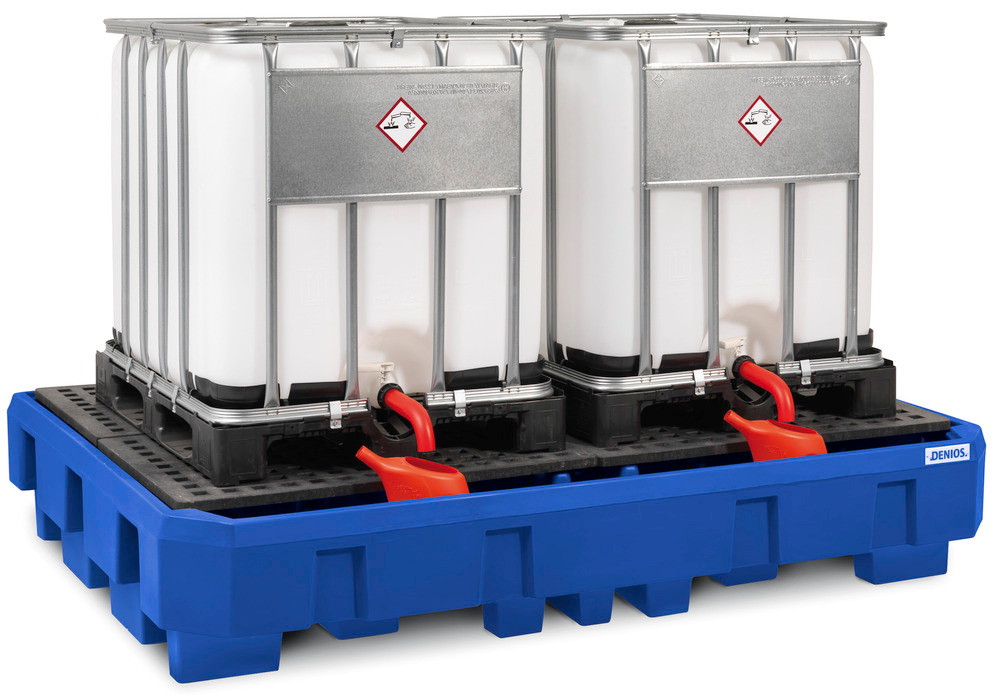
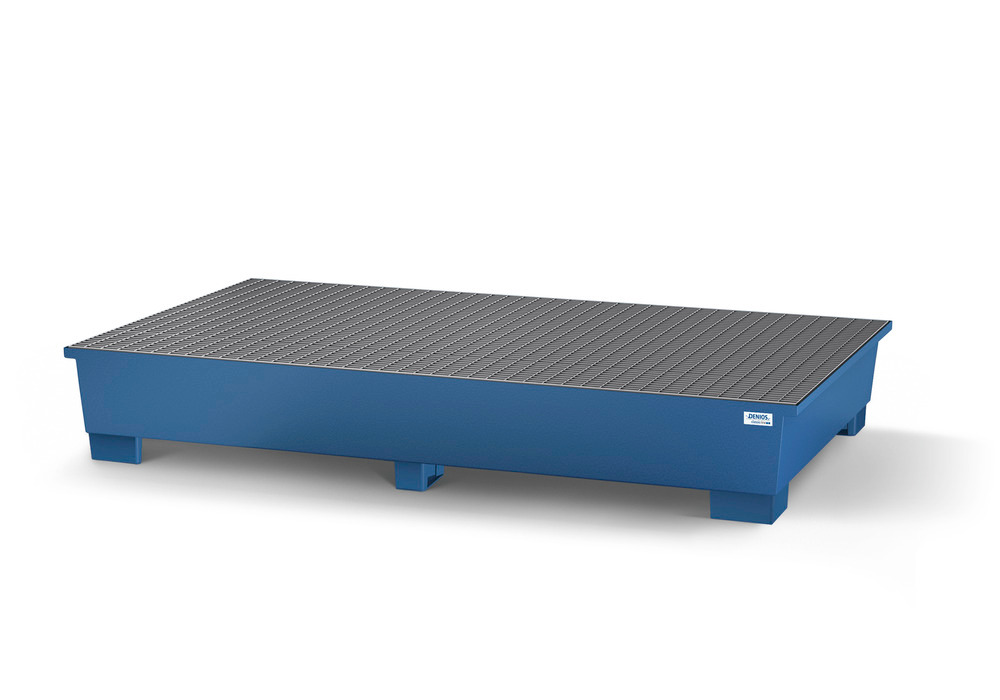
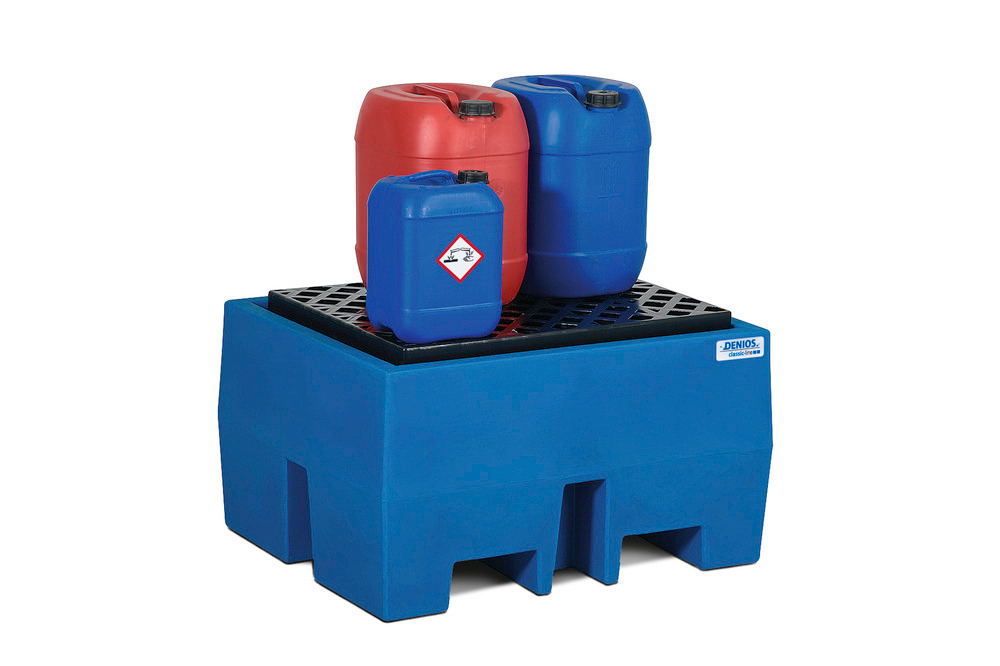
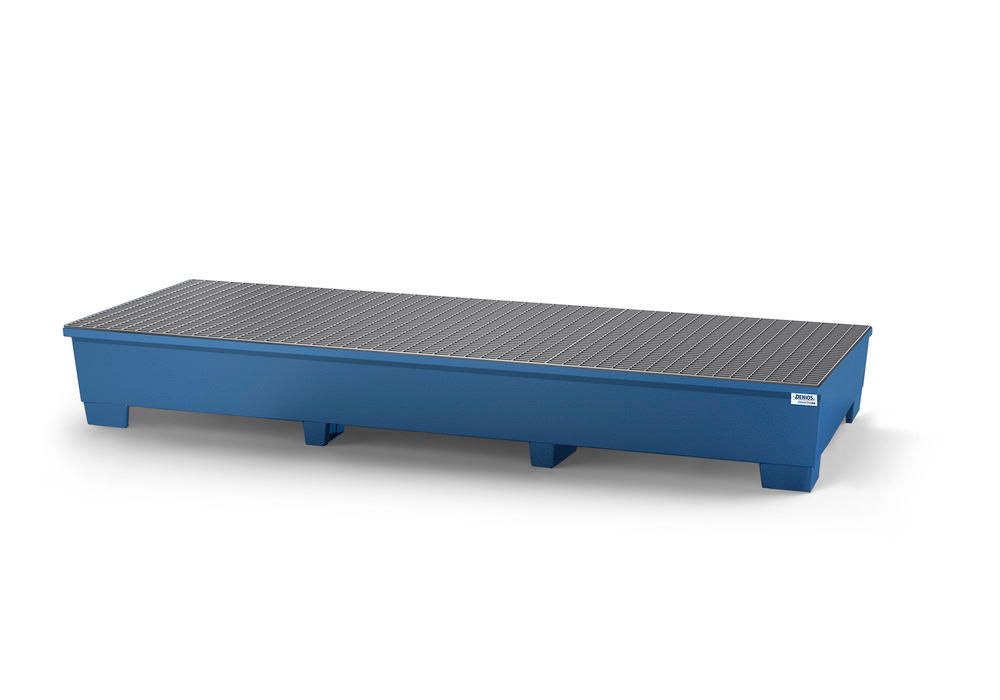
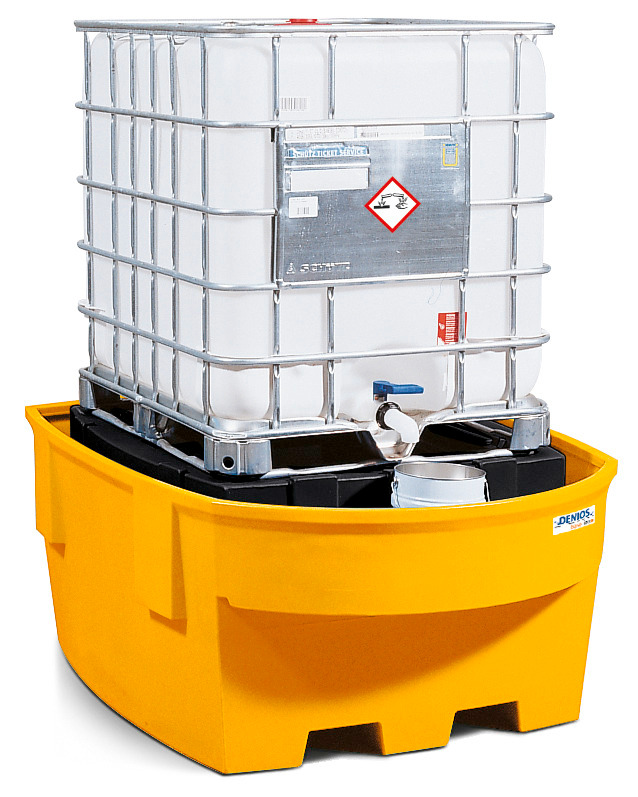
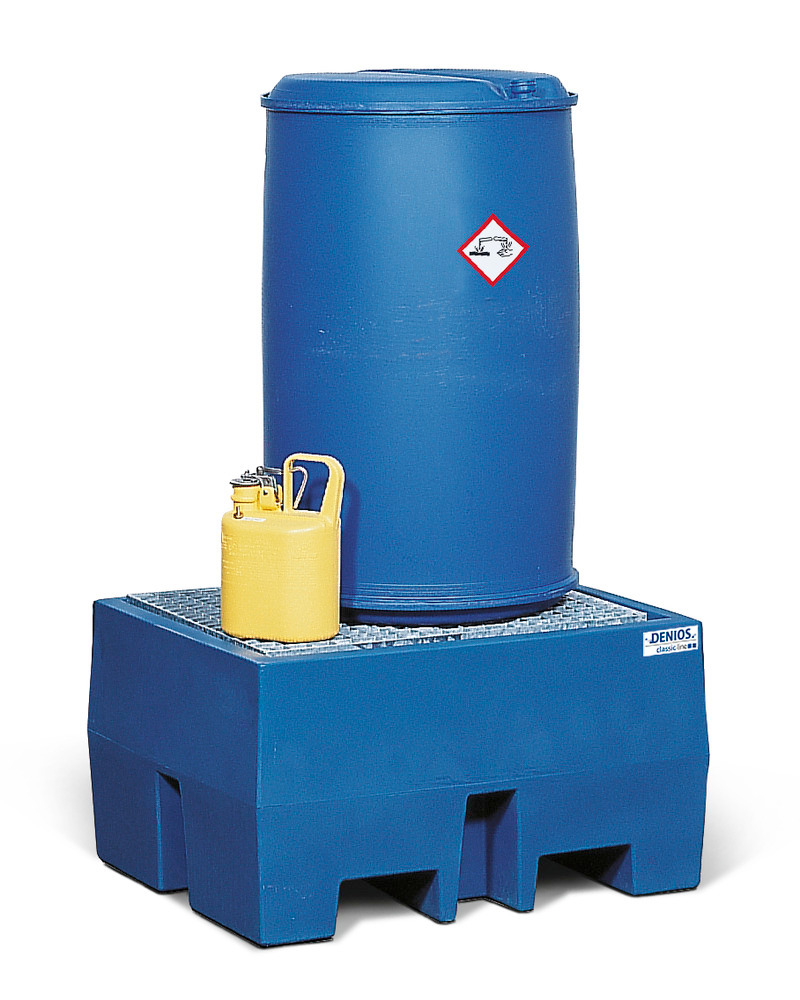
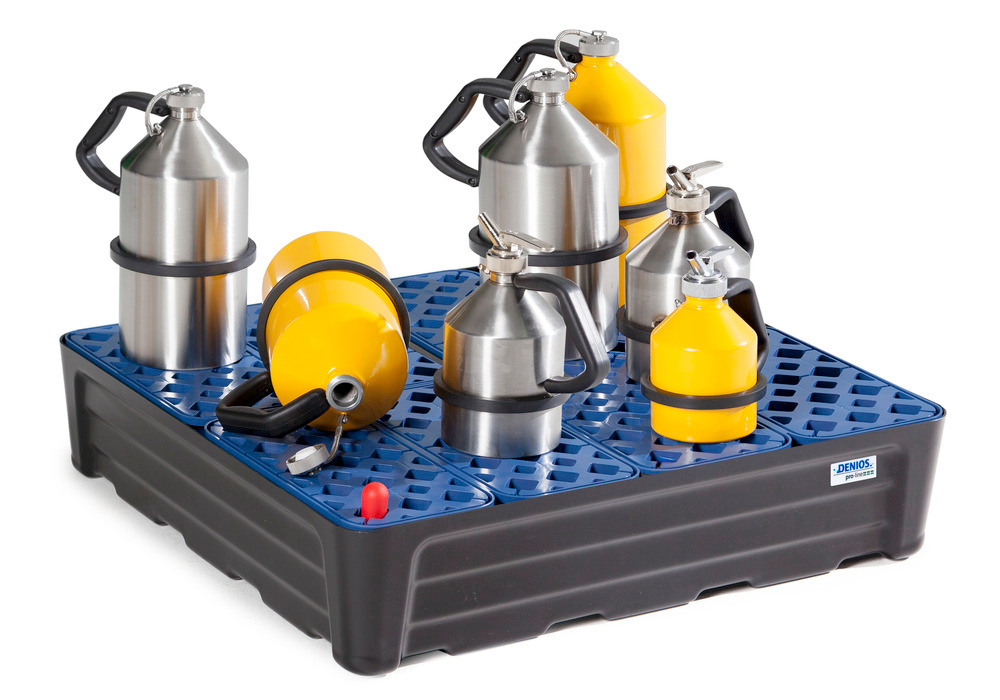
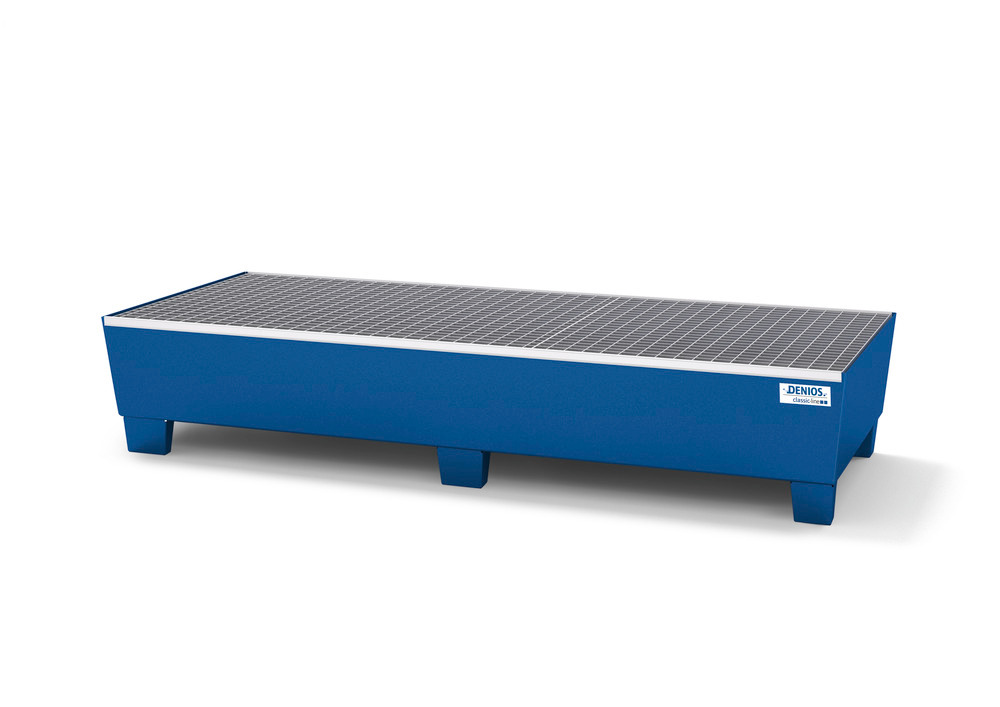
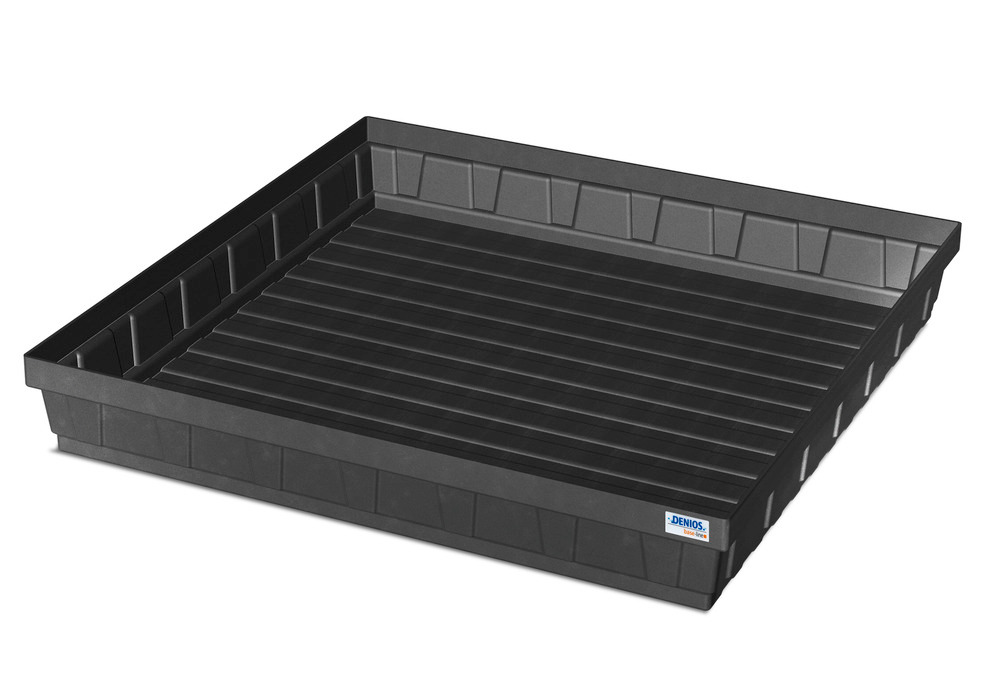
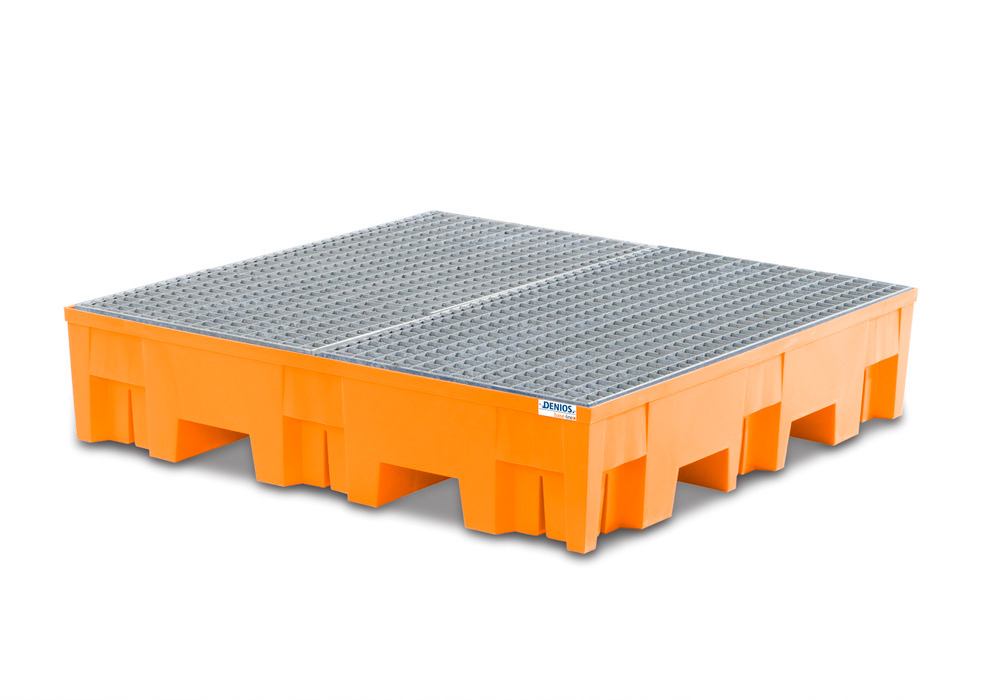
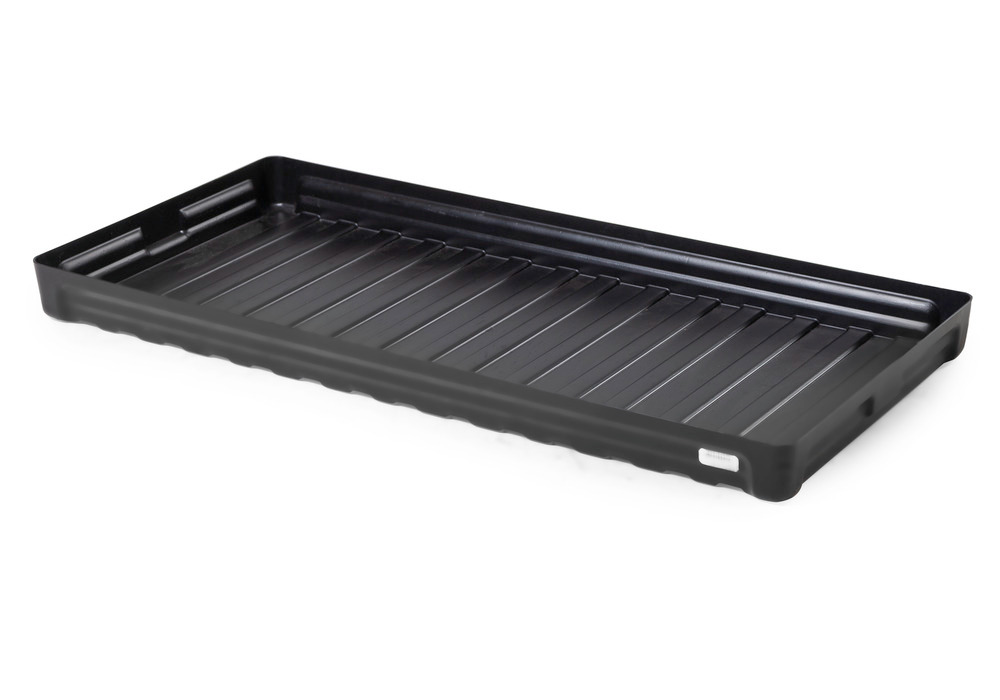
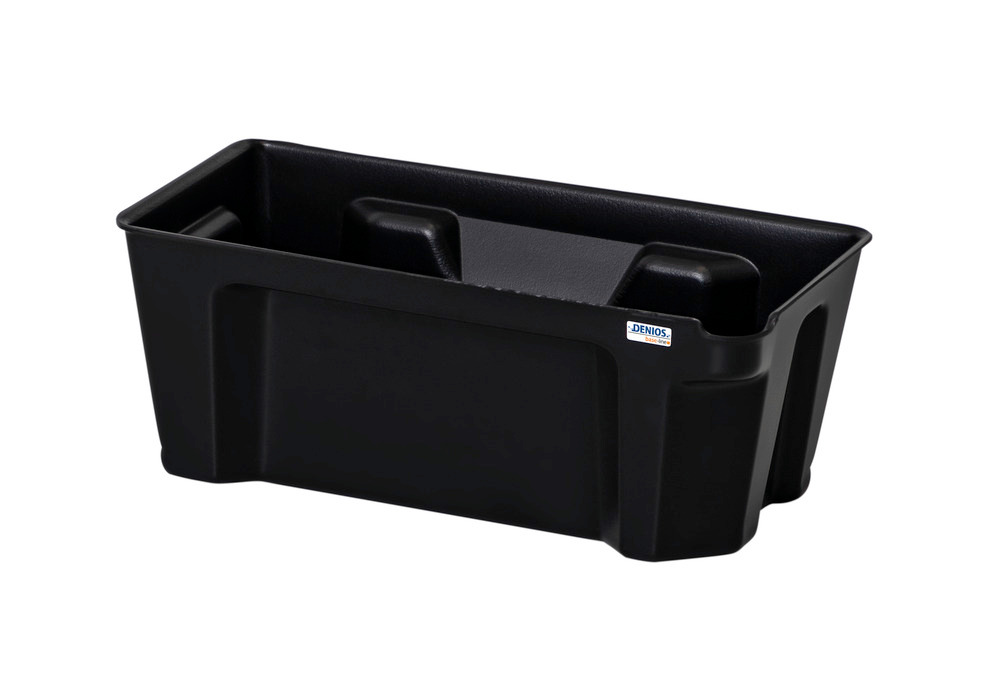
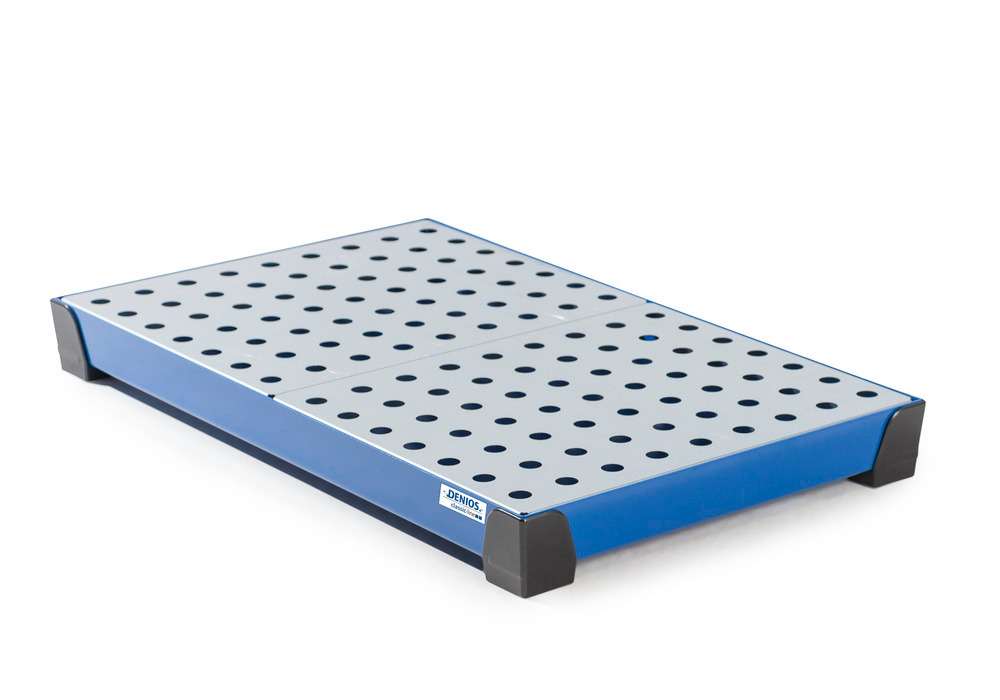
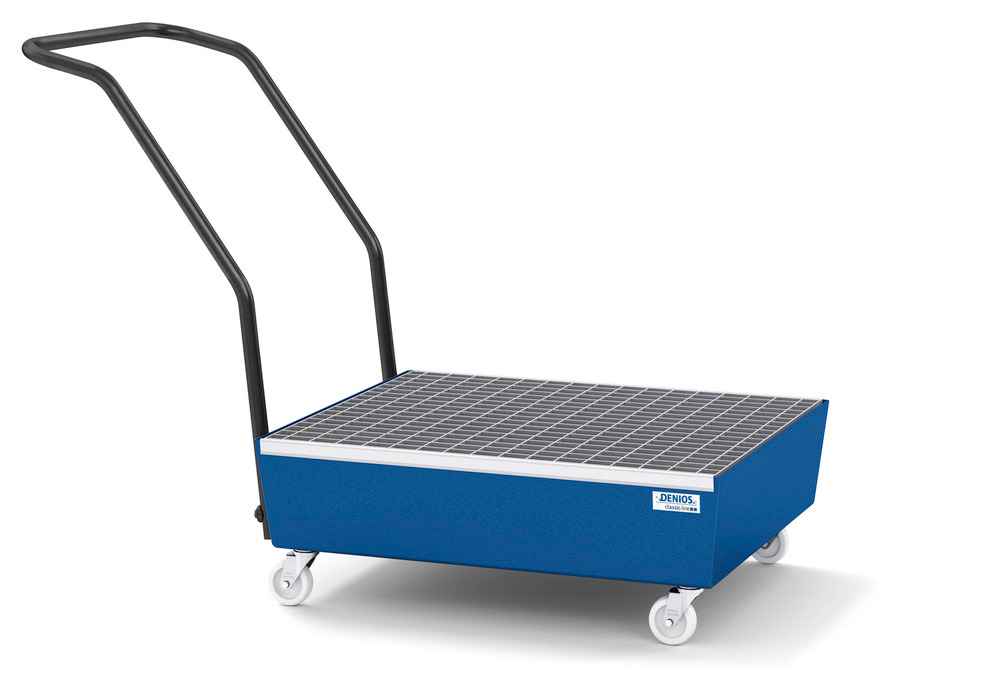
56 from 322 products shown

STORAGE OF HAZARDOUS MATERIALS WITH SPILL PALLETS
Whether you call them spill bunds, bunded pallets, or containment trays, they all serve the same purpose - stopping leaks before they spread. Our systems are built for industrial reliability and certified for oil bund compliance in line with UK and EU standards.
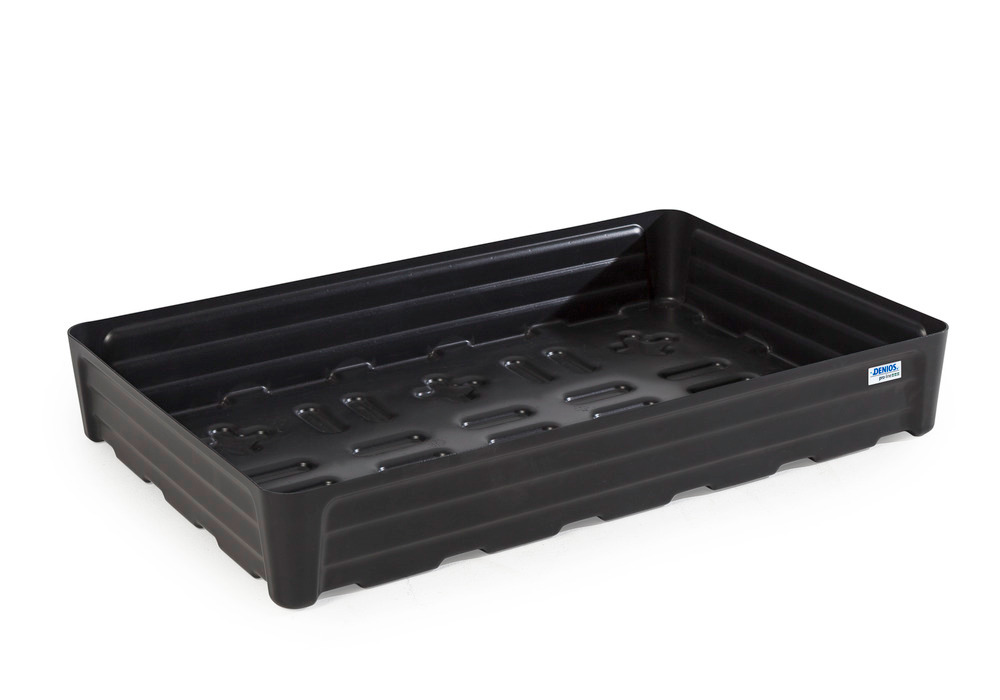
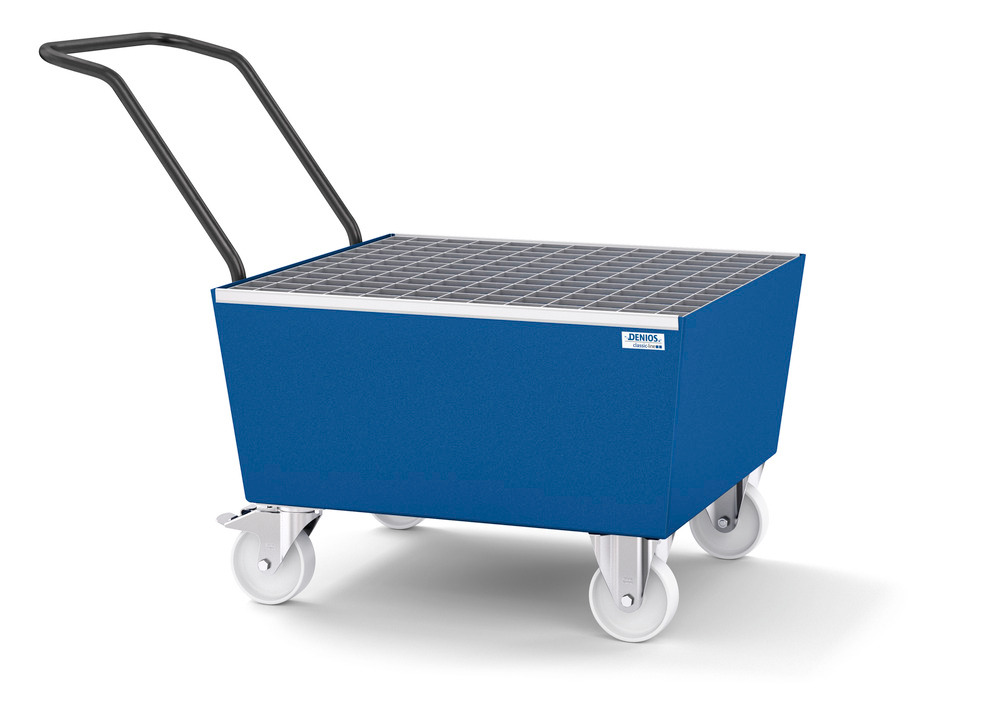
With DENIOS, you can choose from plastic spill pallets, steel spill pallets, or stainless-steel models - each built to resist corrosion and keep leaks contained. We also offer mobile versions too, so they can be handled easily with pallet trucks or forklifts, and some even include wheels for quick positioning.
As both a manufacturer and supplier, DENIOS offers the UK’s widest range of spill trays, bunded pallets, and containment systems, so you can be sure there’s always a solution for your storage challenge.
We also design modular spill bunds and spill containment pallets for larger facilities that need joined-up bunding zones. They’re perfect when you want flexible protection without permanent installation.
What is a spill pallet needed for?
If your day-to-day work involves handling hazardous materials, you’ll most likely need to store them too. Storing these materials correctly isn’t just good practice - it’s a legal obligation.
From an aerosol can to a 1,000-litre IBC, hazardous liquids come in all shapes and sizes. Oils, release agents, paints, varnishes, cleaning solutions - they can all contaminate water, fuel fires, or react dangerously. A spill pallet is your first layer of defence, catching leaks before they cause harm - think of it as a silent safety net.

DO I NEED A SPILL PALLET?
Guidance from the HSE and regulations such as TRGS 510 require a “containment area” when storing, transferring, or handling liquids that can harm water or soil. In practice, that means you need a bunded spill pallet - a unit designed to collect any leaks or drips and keep them from reaching the ground.
These systems are sometimes called spill bunds or oil bunds, depending on the stored material. Whatever the term, the function is the same - to capture leaks and stay within HSE containment regulations.
Using a spill pallet is an easy way to meet this requirement. It’s a practical safeguard that protects both your team and the environment, and it shows you’re taking compliance seriously.

What do ‘StawaR’ and ‘DIBt’ mean?
“StawaR” refers to the German Steel Sump Directive, part of the building regulations overseen by the DIBt (German Institute for Building Technology). These standards guarantee that steel spill pallets are liquid-tight, corrosion-resistant, and strong enough to withstand hydrostatic pressure.
If you’re working under UK or EU legislation, these approvals prove a product’s reliability. DENIOS manufactures to these standards, as many of our bunded spill pallets carry DIBt or European Technical Assessment (ETA) certification.
How big does a spill pallet need to be?
The rule of thumb: a spill pallet must hold the contents of the largest single container stored on it - or at least 10% of the total stored volume, whichever is greater. If you’re in a water protection area, you’ll need 100% retention capacity.
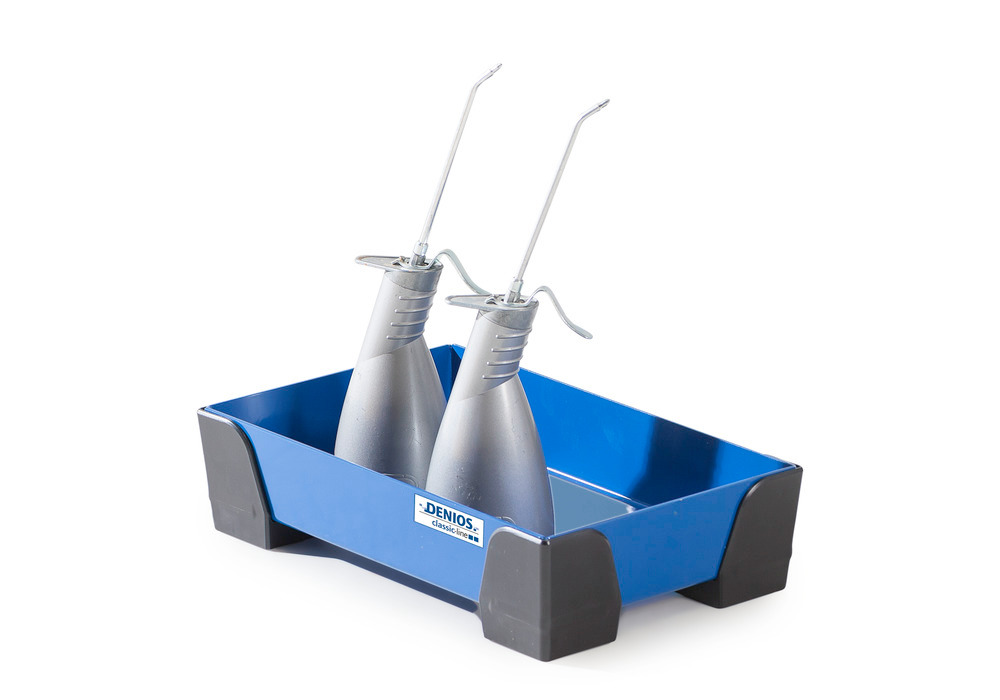
Need help calculating? Our Spill Pallet Guide walks you through the process. For large storage zones, you can combine multiple pallets or use spillage decking. For smaller areas, we offer small container trays, perfect for cans, bottles, and safety containers.
Which spill pallets are suitable for which hazardous materials?

Different chemicals need different materials, and the right material depends on what you’re storing:
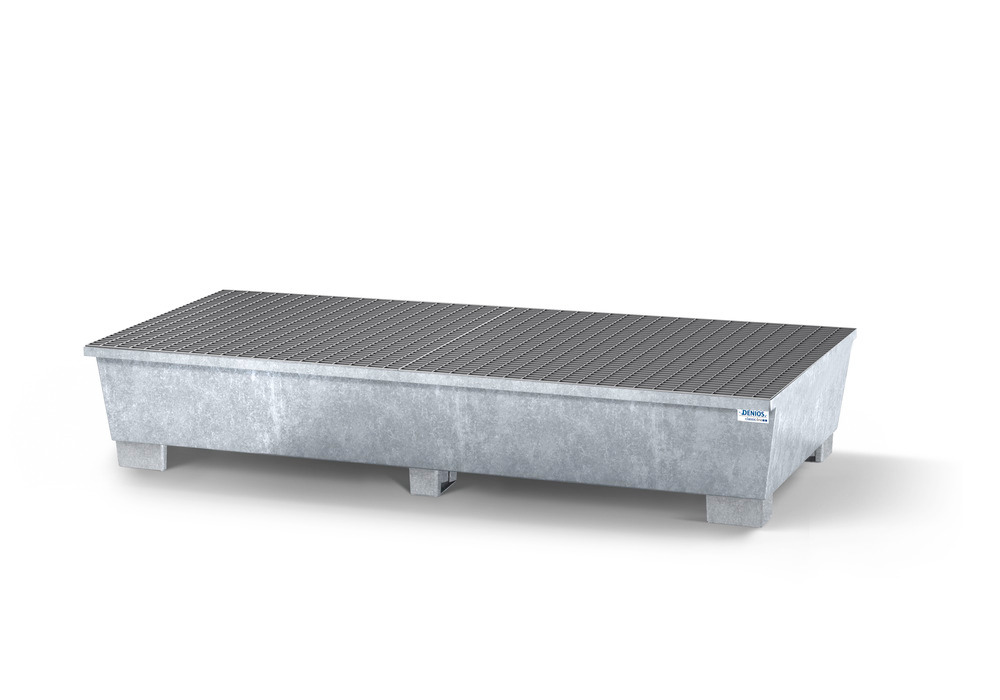
Steel spill pallets: ideal for oils, paints, and flammable liquids. They’re non-combustible, durable, and cost-effective.
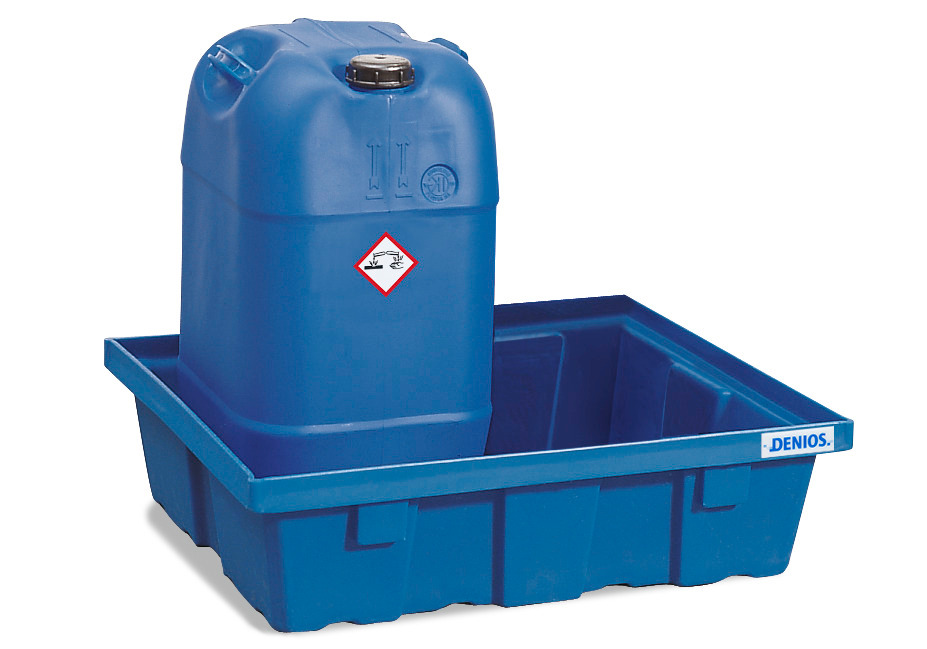
Plastic spill pallets: made from polyethylene, are corrosion-free and best for acids, alkalis, or aggressive chemicals.
Stainless steel spill pallets: combine strength with chemical resistance for demanding applications.
Tip: when in doubt, choose the material that’s more resistant than your liquid is reactive. DENIOS engineers are happy to advise if you’re unsure which type fits your site.
For sites handling large containers, our IBC bunds and IBC bunding systems provide full containment for up to 1000 litres. They’re a trusted choice in logistics hubs, manufacturing, and chemical plants.
Can you store and fill at the same time with spill pallets?
Yes, absolutely - but safely. Many DENIOS spill pallets are designed for dual use. You can store drums or IBCs on the pallet and still perform filling or decanting operations without risking a spill.
With the right accessories, such as filling stands or drum bunds with integrated grates, you can even create a compact filling station. It keeps leaks contained and workflows uninterrupted.
How can you upgrade a spill pallet?
A spill pallet can do more than catch leaks. With the right accessories, it becomes part of a complete spill containment system. You can also add a grid if you don’t already have one, so that leaking containers sit above the sump, letting drips fall safely below.
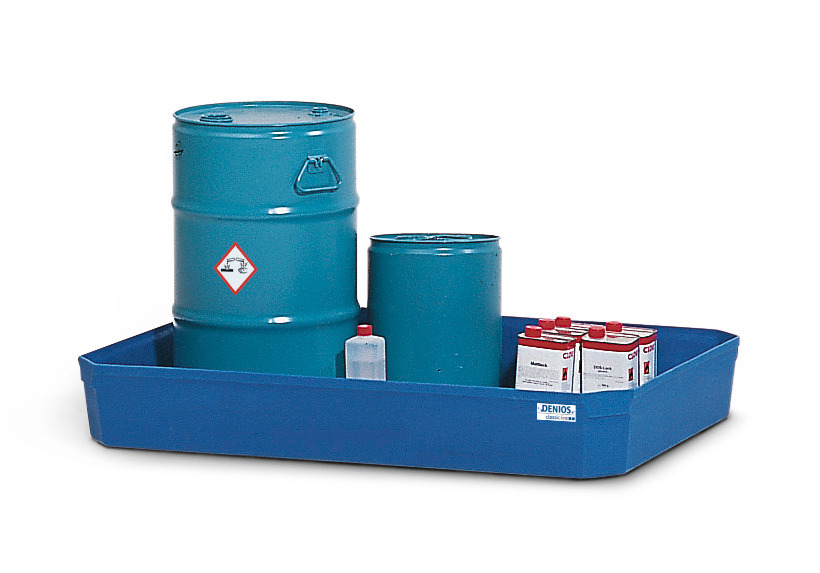
Smaller sites can also use bunded spill trays or spill containment trays for compact, everyday storage. They’re ideal for workshops, maintenance rooms, and laboratories that work with small quantities of hazardous materials.
You can also add filling stands, thread adapters, or dispensing platforms to turn a standard bund into a fully functional filling point. These modular upgrades save space and time while keeping you compliant.
CAN YOU STORE SPILL PALLETS OUTDOORS?
Some spill pallets can be used outdoors, but only under the right conditions. They must be kept under cover and shielded from rain, since extra liquid reduces containment volume.
Our hazardous material depots come with weather protection, security locks, and bunded bases. You can store your hazardous materials safely, protect against unauthorised access, and stay compliant - even in the unpredictable British weather!
FAQ - Frequently asked questions
Find answers to frequently asked questions about battery charging cabinets.
Regulations such as the Control of Pollution (Oil Storage) Regulations 2001 and HSE guidance (HSG51, HSG71, TRGS 510) require secondary containment for hazardous liquids. The law doesn’t name spill pallets directly, but using a bunded pallet or spill containment pallet is the easiest way to comply with those requirements for safe chemical and oil storage.
The required capacity of a spill bund or bunded pallet depends on what you’re storing. The containment must hold at least 110% of the largest container’s volume or 25% of the total volume stored, whichever is greater. In water protection zones, 100% containment is often required. DENIOS provides calculators and sizing charts to help you confirm the correct bund volume.
Yes, but only with weather-protected designs. Outdoor spill pallets and oil bund systems include covers, locks, and UV-resistant coatings to keep rainwater out and maintain full containment capacity. Standard indoor pallets should never be used outdoors without protection, as water ingress can reduce bund effectiveness and breach compliance rules.
Inspect the sump and grid regularly for leaks, corrosion, or chemical residue. Empty and clean out collected liquids as needed. Steel spill pallets should be checked for rust and weld integrity, while plastic bunded pallets should be inspected for UV damage or cracks. Regular maintenance keeps the system compliant, safe, and reliable.
No. Material compatibility is critical. Plastic spill pallets (polyethylene) are resistant to acids, alkalis, and corrosive chemicals, while steel spill pallets are better for oils, fuels, and flammable liquids. For mixed storage, use steel indoors and plastic outdoors to balance fire safety and chemical resistance.
Related content
The specialist information on this page has been compiled carefully and to the best of our knowledge and belief. Nevertheless, DENIOS SE cannot assume any warranty or liability of any kind, whether in contract, tort or otherwise, for the topicality, completeness and correctness either towards the reader or towards third parties. The use of the information and content for your own or third party purposes is therefore at your own risk. In any case, please observe the locally and currently applicable legislation.